
-
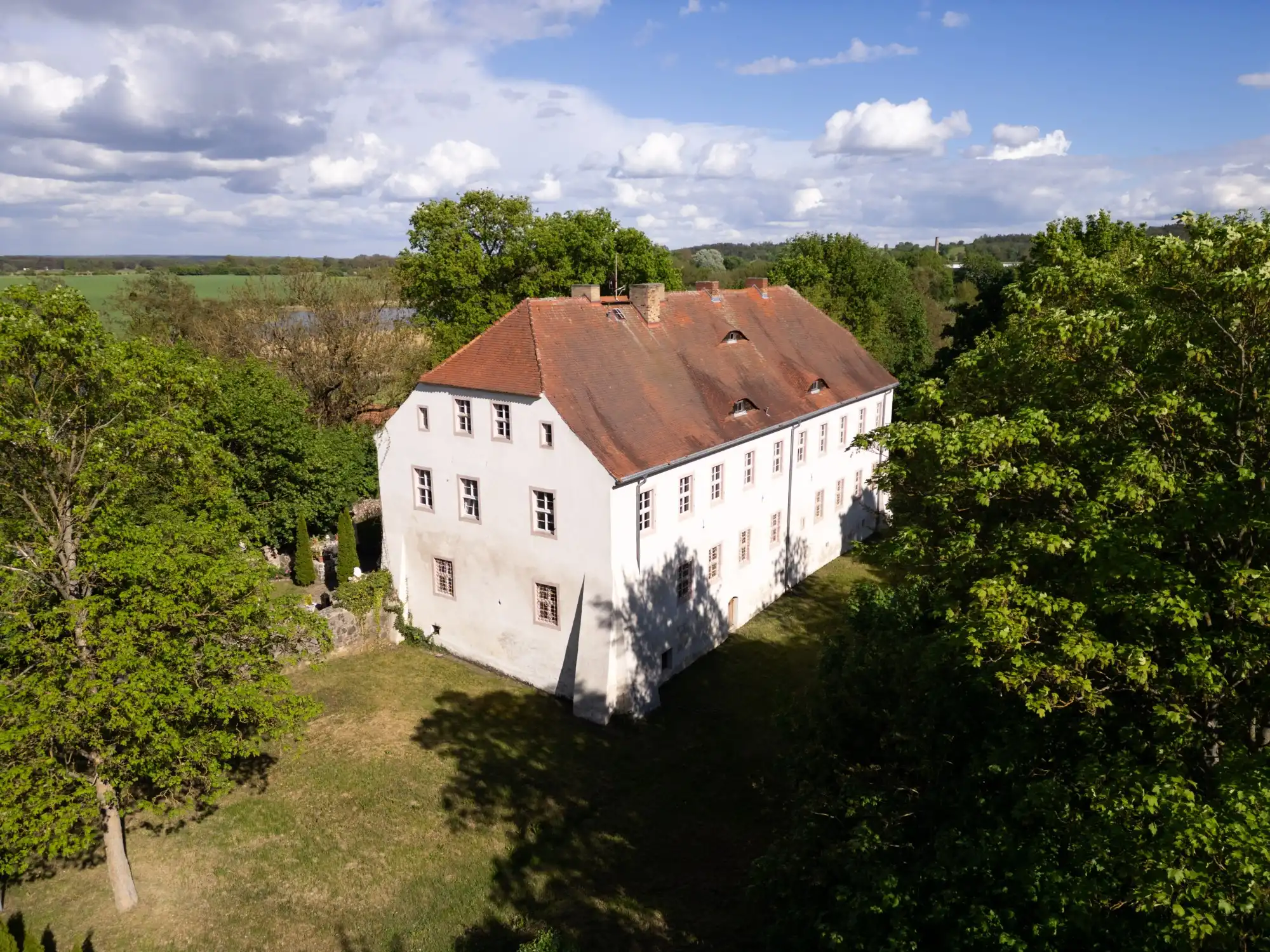 Castles, manors, country estates and heritage properties across Europe

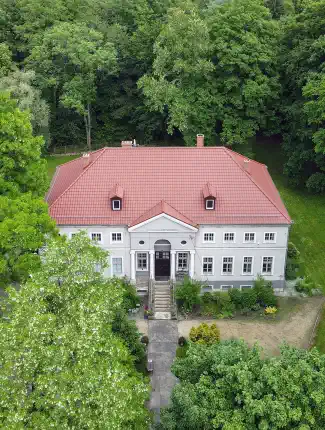
 Sławnikowice, Lower Silesia
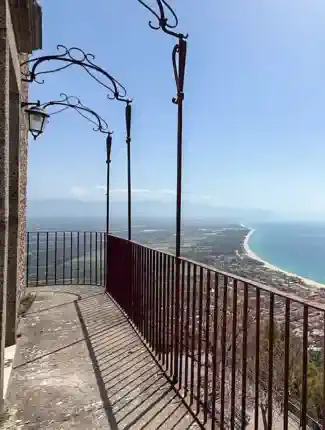
 Nicotera, Calabria
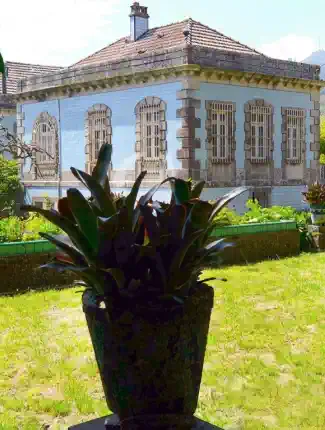
 A Guarda, Galicia
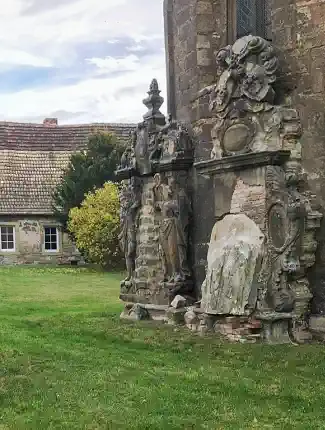
 06279 Schraplau, Saxony-Anhalt
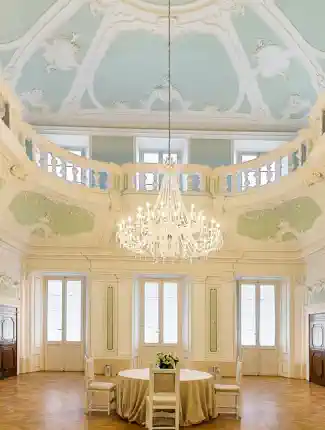
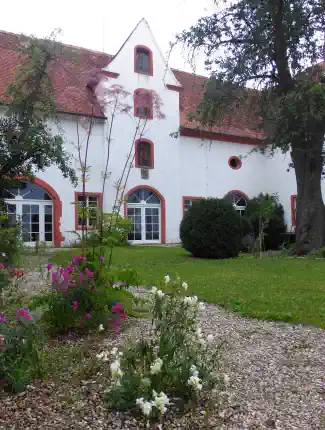
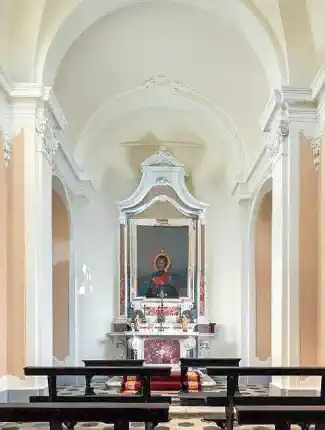
Castles, palaces and manor houses
Europe's grand heritage from the Middle Ages to the early 20th century
European nobility, major landowners and industrialists shaped the continent's architectural landscape well into the 20th century. Montmorency in France, Hohenzollern in Germany, Schwarzenberg in Silesia, Lubomirski in Poland, Medici in Italy, Medinaceli in Spain and Habsburg in Austria – these are just a few of the names that remain widely recognized and associated with many monumental buildings. Their influence, political roles and dynastic marriages extended far beyond the borders of today’s states.
Furthermore, the landed nobility created vast empires of estates and manor houses in fertile rural regions. With industrialization from the mid-19th century, industrialists and wealthy citizens emerged as new patrons: they built stately grand houses in prime locations or took over existing noble residences.
These different centers of power and their respective needs for representation produced the architectural diversity that makes grand historic properties so fascinating even for non-Europeans and gave each region a distinctive character. North German brick Gothic, Breton stone manor houses and Bohemian Baroque castles have little in common overall.
The architecture of historic properties visible today reflects centuries of change. The Middle Ages often form the core upon which later eras built: the Renaissance and Baroque transformed fortresses into representative residences, Classicism introduced clear symmetry and classical forms, before the 19th century to the early 20th century brought the last major building phase of historic properties.
Historic property types overview
Many terms for historic properties are widely known. Precise classification is not always straightforward, as terms are often used interchangeably across countries regardless of their correct historical meaning. Some building types are also difficult to translate across borders, as they are closely tied to a specific country or region. Here we provide an overview of the main property types and their designations in other countries.
Medieval castle
Castles are among the oldest "grand" historic properties that can be renovated, inhabited and used today. While older, pre-medieval structures do exist, they are primarily archaeological sites and have little relevance in the historic property market. The fabric of a true castle dates back to the Middle Ages. Castles were originally built for defensive purposes at strategic locations, and many were later expanded in subsequent centuries into palaces with representative residential functions.
Today, the term "castle" is often used interchangeably for both historic structures where the original defensive features are still visible and for representative residences, which were often built on the foundations of medieval buildings.
In general, a medieval castle is considered as such when its original defensive character still defines its overall appearance. This typically includes massive, enclosed buildings in elevated locations with features such as a keep, great hall, ramparts, arrow slits and drawbridges.
Medieval castle: names across Europe
- France: Château fort / Château médiéval
- Italy: Castello medievale
- Spain: Castillo
- Portugal: Castelo
- Netherlands: Burcht
- United Kingdom: Castle
- Germany / Austria / Switzerland: Burg
- Czech Republic / Slovakia: Hrad
- Poland: Zamek
- Hungary: Középkori kastély
- Romania: Castel medieval
- Denmark: Slot
- Sweden: Slott / Borg
- Norway: Slott / Borg
- Finland: Linna
- Estonia: Loss / Linnus
- Latvia: Pils / Pilsēta
- Lithuania: Pilis
Castle
The palace (or castle
when the medieval defensive character is not implied) is the most widely used term for a historic and grand residence with both representative and residential functions, located in rural or urban settings. Palaces were built primarily between the 16th and 19th centuries. Their architecture, as well as the design of gardens and parks, draws on the full formal language of the respective eras. Prominent architects worked across Europe during this period, leaving a lasting influence on countries, regions and noble families.
From a cultural and historical perspective, palaces are closely associated with the nobility. Today, the term is also used for generally large, prestigious estates, such as those built by the upper bourgeoisie from the mid-20th century onwards.
Palaces and castles: names across Europe
- France: Château
- Italy: Castello
- Spain: Palacio
- Portugal: Palácio
- Netherlands: Kasteel
- United Kingdom: Castle
- Germany / Austria / Switzerland: Schloss
- Czech Republic / Slovakia: Zámek
- Poland: Pałac
- Hungary: kastély
- Romania: castel
- Denmark: Slot
- Sweden: Slott
- Norway: Slott
- Finland: Linna
- Estonia: Loss
- Latvia: Pils
- Lithuania: Pilis
Manor House
The manor house is a residence of the landed nobility and at the same time the center of an agricultural estate. Especially in the fertile regions of Central Europe, numerous estates were established, whose appearance, preserved to varying degrees, continues to shape the landscape today.
A typical estate consists of the manor house and park along with farm buildings and depending on the estate additional facilities and housing for staff and workers. Estates were important economic centers used for the production of agricultural and forestry products, livestock farming and occasionally for special crops such as tobacco or silk. In northern Central Europe the focus was on arable farming, livestock and crafts while in western and southern Europe it was on wine and olive cultivation.
As the representative centerpiece of the estate, the manor house could range from simple and modest to palace-like depending on its importance and ownership. In the 19th century many manor houses were extensively rebuilt and expanded often in 19th century revival style recognizable by asymmetries, decorative facades, verandas, loggias and tower additions.
This definition primarily applies to northern Central Europe. In other countries there are sometimes cultural and historical differences. The term is often used beyond its original meaning, for example for a prestigious residence that conveys architectural presence, a noble connection or a scale that does not reach that of a palace.
In addition, various countries had other specific forms such as Rittergut
in Germany, a knight's estate that was a noble estate with special rights.
Estates and manor houses: names across Europe
- France: Domaine / Manoir / Maison de maître
- Italy: Tenuta / Villa padronale / Casa padronale
- Spain: Hacienda / Cortijo / Casa solariega / Casa señorial / Pazo (Galicia)
- Portugal: Solar / Casa senhorial
- Netherlands: Landgoed / Landhuis
- United Kingdom: Historic estate / Manor house / Hall
- Germany / Austria / Switzerland: Gutshof / Gutshaus / Herrenhaus / Gutshaus / Landhaus
- Czech Republic / Slovakia: Zámeček / Kaštieľ
- Poland: Dwór
- Hungary: kastély / Uradalmi ház
- Romania: castel / Conac
- Denmark: Gods / Herregård
- Sweden: Gods / Herrgård
- Norway: Gods / Herregård
- Finland: Kartano
- Estonia: Mõis
- Latvia: Muiža
- Lithuania: Rūmai / Dvaras
Grand historic house / Historic villa
The traces of industrialization with its various key industries are still visible across many parts of Europe today: coal and steel in Germany’s Ruhr area and northeastern France, mining in Silesia and Bohemia and in many other regions primarily the textile industry drove economic growth. From the second half of the 19th century, this context gave rise to opulent residences of industrialists, directors, physicians and other members of the upper bourgeoisie, which served as the central showcase of their economic success.
In addition to numerous villas, built both as private residences and summer homes in prime locations by lakes, along coasts or in prestigious urban districts of industrial centers, some of the grandest houses of the most influential entrepreneurs reached palace-like dimensions. Examples can be found in nearly all economically significant European centers that rose from the 19th century onward. In Germany, Villa Hügel in Essen-Bredeney is considered the most prominent example.
In terms of design, historicism with all its revival (neo
) styles and influences from foreign architecture was often adopted before independent movements such as Art Nouveau and Art Déco re-established a clear stylistic direction at the beginning of the 20th century.
As with the manor house, the term villa does not translate seamlessly across countries. Although widely understood internationally, the term can have different meanings or be replaced by local equivalents. To clarify the historical context, the term grand historic house or historic villa is often used. In France, for example, Demeure
(generally for a residence) is common, in Spain a villa is usually associated with modern constructions and in England the villa generally refers to high-end holiday properties in popular vacation areas abroad.
Historic villa: names across Europe
- France: Demeure historique (historic residence)
- Italy: Villa (storica) / Dimora storica
- Spain: Mansión (histórica) / Palacete
- Portugal: Palacete
- Netherlands: Villa
- United Kingdom: Mansion / Great house
- Austria / Switzerland: Historic villa
- Czech Republic / Slovakia: Historická vila
- Poland: Zabytkowa willa (heritage) / Historyczna willa / Pałacyk (
small palace
) - Hungary: Villa
- Romania: Vila / Vila urbană
- Denmark: Villa / Byvilla
- Sweden: Villa / Stadsvilla
- Norway: Villa / Byvilla
- Finland: Villa / Kaupunkivilla
- Estonia: Villa / Suurmaja
- Latvia: Villa / Muiža
- Lithuania: Villa / Rūmai
Urban Palace
Although urban palaces are less commonly referred to in some European countries, they play a central role in countries such as Italy, France and Spain, shaping many historic centers of larger and smaller cities. In simple terms, an urban palace can be described as a palace or palace-like building in a city location.
The heyday of urban palaces is closely linked to the rise of the wealthy bourgeoisie in cities. From the 17th century onwards, merchants, bankers and industrialists across Europe began to demonstrate their economic power and social standing through representative residences. Especially in the 18th and 19th centuries, many urban residences were built that served both as private homes and venues for social representation.
Key characteristics include a central location, spacious rooms with representative furnishings and impressive ceiling heights with artistic decoration. Palace-like or ornate façades are also common but not mandatory – in Italy, for example, many palazzi feature simple exterior façades with richly frescoed interiors. In many European cities, they continue to define certain districts and often dominate old town areas and historic centers.
In summary, the urban palace is an aristocratic or upper bourgeois residence with both residential and social functions, generally larger and more representative than an ordinary townhouse – essentially a palace in an urban setting.
A distinct conceptual definition of the urban palace does not exist in all countries. In Spain (palacio) or Poland (pałac), no distinction is made between urban and rural palaces. Due to its historical significance and the location relevant to potential buyers, the urban palace is nevertheless treated as a separate category.
Urban palaces: names across Europe
- France: Hôtel particulier
- Italy: Palazzo
- Spain: Palacio
- Portugal: Palácio
- Netherlands: Stadspaleis
- United Kingdom: (Palatial) Townhouse
- Germany / Austria / Switzerland: Stadtschloss / Palais
- Czech Republic / Slovakia: Palác
- Poland: Pałac
- Hungary: Palota
- Romania: Palat
- Denmark: Bypalæ / Palæ
- Sweden: Stadspalats / Palats
- Norway: Bypalé / Palé
- Finland: Kaupunkipalatsi
- Estonia: Linnapalee
- Latvia: Pilsētas pils
- Lithuania: Miesto rūmai
Monastery
Monasteries represent a distinct category within REALPORTICO and are considered highly desirable properties in the investment and real estate development sector. Their tradition, scale and historical and spiritual aura, which combines sacred and monumental architecture with diverse styles, locations and economic activities, make them particularly attractive. Due to their construction, size and historical significance, these sites offer a wide range of uses and development opportunities for investors and operators.
When referring to monasteries, the term generally encompasses communities of monks or nuns. In Germany, Austria and Switzerland, a distinction is made between Kloster
and Stift
, with Stifte often being noble or canonical institutions of special significance. An Abtei
denotes a larger, independent monastic complex under the leadership of an abbot or abbess.
Historically, various orders shaped European monastic life, particularly the Benedictines, Cistercians, Dominicans and Franciscans. Monasteries served not only as spiritual centers but also as production sites for high-quality goods such as beer, wine and cheese. They had a lasting impact on education, art and agriculture in their regions. To this day, the tradition of monastic products remains a mark of quality and a recognized marketing asset.
In France, Spain and Italy, there are prominent, internationally recognized examples of monasteries adapted for tourism, often including fine dining, such as Hôtel du Couvent (Nice) in France, Abadía Retuerta LeDomaine in Spain and Monastero Santa Rosa Hotel & Spa in Italy.
Monastic properties offer substantial potential for exclusive and profitable business models targeting affluent clients. At the same time, such development projects rank among the most complex real estate ventures and are therefore best suited to experienced large-scale developers.
Monasteries: names across Europe
- France: Monastère
- Italy: Monastero
- Spain: Monasterio
- Portugal: Mosteiro
- Netherlands: Klooster
- United Kingdom: Monastery
- Germany / Austria / Switzerland: Stift or Kloster
- Czech Republic / Slovakia: Klášter
- Poland: Klasztor
- Hungary: Kolostor
- Romania: Mănăstire
- Denmark: Kloster
- Sweden: Kloster
- Norway: Kloster
- Finland: Luostari
- Estonia: Klooster
- Latvia: Klosteris
- Lithuania: Vienuolynas
Future of castles and palaces: buyers, interests, uses
While public and private institutions as well as foundations help safeguard heritage sites, private ownership and commercial operation of historic properties remain particularly demanding. In addition to the already high expectations placed on owners and operators, future-oriented challenges must be addressed across generations: energy-efficient renovations, climate performance and sustainable use concepts are becoming increasingly central.
Nevertheless, historic properties continue to hold significant appeal for a select group. In the tourism sector, castles remain a key element of Europe’s cultural landscape, even though not all business models succeed and luxury hotels cannot be implemented everywhere. Where traditional uses end and successors are lacking, new opportunities emerge over time: co-working spaces within historic walls, innovation centers in former monasteries, creative hubs in manor houses, or combined living and working arrangements under one roof.
Europe’s stately addresses also retain their attraction for an international audience. Entrepreneurs and companies often maintain business connections across borders and use these properties as workspaces, retreats or representative locations. Combining private residential use with commercial operation remains a viable strategy to preserve historic substance while ensuring sustainable development for the future.
Beyond all established and emerging strategies for utilizing historic properties, owning and living in a castle often remains a family affair or a deliberate passion, an investment one can afford and chooses consciously.
read more
Period mansions and residences
Poland
Period mansion for sale Lower Silesia
Period mansion for sale Mazovia
Period mansion for sale West Pomerania
Period mansion for sale Łódź Region
Period mansion for sale Warmia-Masuria
Period mansion for sale Silesia
Period mansion for sale Pomerania
Period mansion for sale Pomerania
Period mansion for sale Opole Region
Period mansion for sale Lubusz
Period mansion for sale Lublin Region
Period mansion for sale Lesser Poland
Period mansion for sale Kuyavia-Pomerania
Italy
Period mansion for sale Tuscany
Period mansion for sale Piedmont
Period mansion for sale Lombardy
Period mansion for sale Umbria
Period mansion for sale Marche
Period mansion for sale Liguria
Period mansion for sale Emilia-Romagna
Period mansion for sale Apulia
Period mansion for sale Veneto
Period mansion for sale Sardinia
Period mansion for sale Lazio
Germany
Period mansion for sale Berlin
Period mansion for sale Saxony
Period mansion for sale North Rhine-Westphalia
Period mansion for sale Mecklenburg-West Pomerania
Period mansion for sale Lower Saxony
Period mansion for sale Brandenburg
France
Period mansion for sale Occitania
Period mansion for sale Provence-Alpes-Côte d’Azur
Period mansion for sale Auvergne-Rhône-Alpes
Period mansion for sale New Aquitaine
Period mansion for sale Pays de la Loire
Spain
Period mansion for sale Catalonia
Period mansion for sale Valencia
Period mansion for sale Galicia
Period mansion for sale Castile-La Mancha
Czech Republic
Period mansion for sale Prague
Period mansion for sale Karlovy Vary Region
Period mansion for sale Ústí nad Labem Region
Austria
Period mansion for sale Vienna
Period mansion for sale Upper Austria
Period mansion for sale Lower Austria
Switzerland
Period mansion for sale Ticino
Period mansion for sale Bern
Romania
Period mansion for sale Dolj
Castles
Poland
Castle for sale Lower Silesia
Castle for sale Greater Poland
Castle for sale Silesia
Castle for sale Opole Region
Castle for sale Kuyavia-Pomerania
Castle for sale Warmia-Masuria
Castle for sale Mazovia
Castle for sale West Pomerania
Castle for sale Lubusz
Castle for sale Holy Cross Region
Castle for sale Pomerania
Castle for sale Łódź Region
France
Castle for sale Occitania
Castle for sale New Aquitaine
Castle for sale Pays de la Loire
Castle for sale Normandy
Castle for sale Île-de-France
Castle for sale Centre-Loire Valley
Castle for sale Provence-Alpes-Côte d’Azur
Castle for sale Hauts-de-France
Castle for sale Grand Est
Czech Republic
Castle for sale Ústí nad Labem Region
Castle for sale Olomouc Region
Castle for sale South Bohemia
Castle for sale Prague
Castle for sale Plzeň Region
Castle for sale Pardubice Region
Castle for sale Liberec Region
Castle for sale Karlovy Vary Region
Castle for sale Central Bohemian Region
Germany
Castle for sale Bavaria
Castle for sale Brandenburg
Castle for sale Baden-Württemberg
Castle for sale Thuringia
Castle for sale Saxony
Castle for sale North Rhine-Westphalia
Castle for sale Mecklenburg-West Pomerania
Spain
Castle for sale Catalonia
Castle for sale Valencia
Castle for sale Castile-La Mancha
Castle for sale Castile and León
Castle for sale Asturias
Castle for sale Andalusia
Italy
Castle for sale Umbria
Castle for sale Tuscany
Castle for sale Emilia-Romagna
Castle for sale Sicily
Castle for sale Piedmont
Castle for sale Calabria
United Kingdom
Castle for sale England
Slovakia
Castle for sale Žilina region
Latvia
Castle for sale Vidzeme
Hungary
Castle for sale Vas County
Austria
Castle for sale Upper Austria
Manor houses and country estates
Poland
Manor house for sale Greater Poland
Manor house for sale Lower Silesia
Manor house for sale Łódź Region
Manor house for sale Mazovia
Manor house for sale Lesser Poland
Manor house for sale Holy Cross Region
Manor house for sale West Pomerania
Manor house for sale Warmia-Masuria
Manor house for sale Pomerania
Manor house for sale Lubusz
Germany
Manor house for sale Mecklenburg-West Pomerania
Manor house for sale Saxony-Anhalt
Manor house for sale Schleswig-Holstein
Manor house for sale Saxony
Manor house for sale North Rhine-Westphalia
Manor house for sale Brandenburg
Manor house for sale Bavaria
Manor house for sale Baden-Württemberg
Spain
Manor house for sale Balearic Islands
Manor house for sale Galicia
Manor house for sale Basque Country
Manor house for sale Catalonia
Manor house for sale Castile and León
Manor house for sale Asturias
Manor house for sale Aragon
Manor house for sale Andalusia
Italy
Manor house for sale Tuscany
Manor house for sale Piedmont
Manor house for sale Apulia
Manor house for sale Umbria
Manor house for sale Emilia-Romagna
France
Manor house for sale Occitania
Manor house for sale New Aquitaine
Manor house for sale Pays de la Loire
Manor house for sale Auvergne-Rhône-Alpes
Slovakia
Manor house for sale Region of Trnava
Manor house for sale Nitra Region
Manor house for sale Košice Region
Manor house for sale Region of Trenčín
Czech Republic
Manor house for sale Ústí nad Labem Region
Manor house for sale South Bohemia
Manor house for sale Karlovy Vary Region
Manor house for sale Central Bohemian Region
Hungary
Manor house for sale Vas County
Manor house for sale Somogy
Manor house for sale Nógrád County
Latvia
Manor house for sale Vidzeme
Manor house for sale Kurzeme
Austria
Manor house for sale Lower Austria
Medieval castles and fortresses
Italy
Medieval castle for sale Tuscany
Medieval castle for sale Umbria
Medieval castle for sale Lombardy
Medieval castle for sale Lazio
France
Medieval castle for sale Auvergne-Rhône-Alpes
Medieval castle for sale Occitania
Medieval castle for sale Normandy
Medieval castle for sale Grand Est
Poland
Medieval castle for sale Warmia-Masuria
Medieval castle for sale Opole Region
Medieval castle for sale Mazovia
Medieval castle for sale Lesser Poland
Spain
Medieval castle for sale Catalonia
Medieval castle for sale Castile-La Mancha
Medieval castle for sale Castile and León
Czech Republic
Medieval castle for sale South Moravian Region
Medieval castle for sale Central Bohemian Region
Germany
Medieval castle for sale Bavaria
Urban palaces and town mansions
Italy
Urban palace for sale Tuscany
Urban palace for sale Apulia
Urban palace for sale Sicily
Urban palace for sale Marche
Urban palace for sale Molise
Urban palace for sale Lombardy
Urban palace for sale Abruzzo
Spain
Urban palace for sale Balearic Islands
Urban palace for sale Castile-La Mancha
Poland
Urban palace for sale West Pomerania
Urban palace for sale Mazovia
Germany
Urban palace for sale Rhineland-Palatinate
France
Urban palace for sale Occitania