
-
 Businesses for sale in historic prime locations around Europe


 Masllorenç, Catalonia
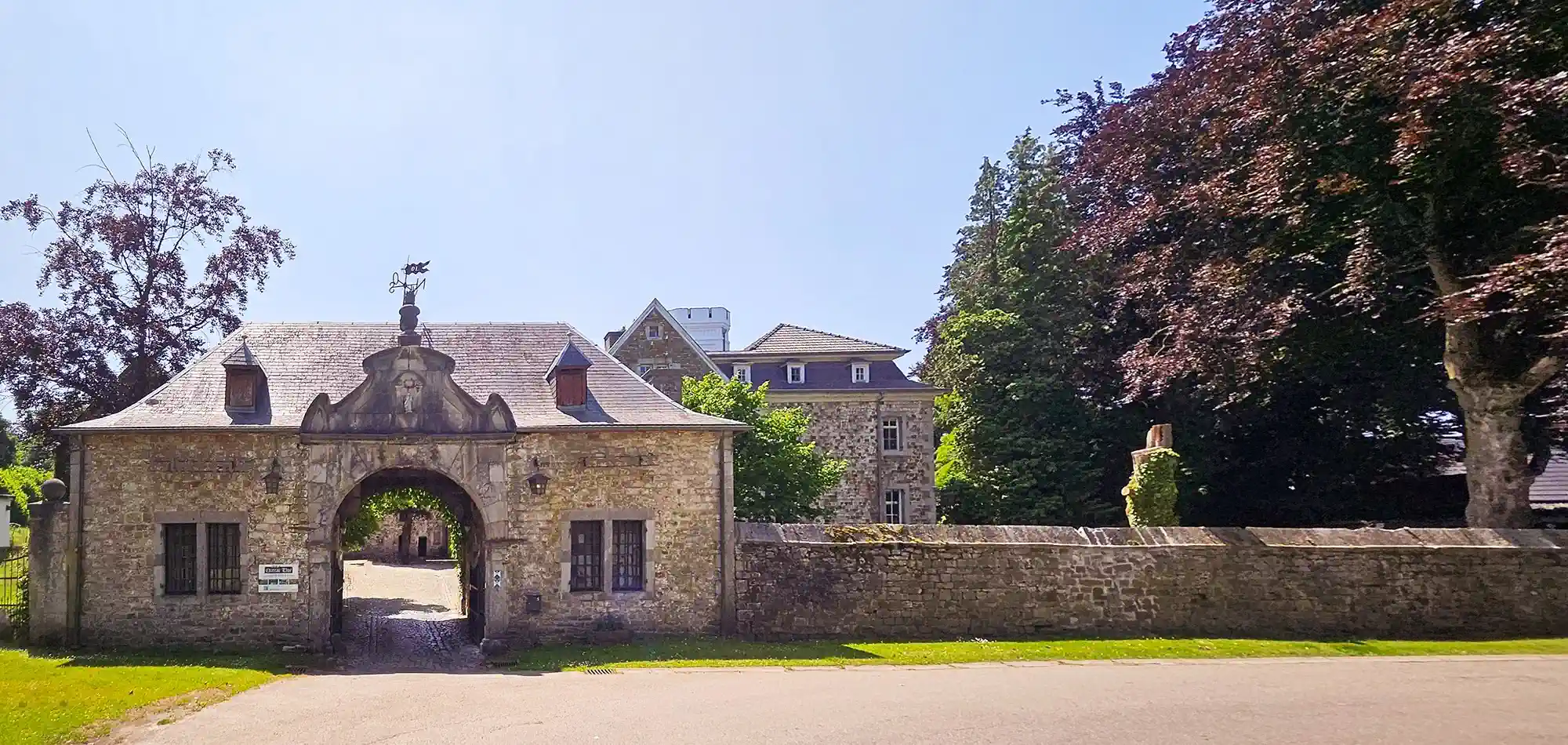
 Astenet, Wallonia

 Piszkowice, Lower Silesia
REALPORTICO Business Deals business sales operating in historic properties
Centuries-old structures. Entrepreneurial future.
Numerous castles and estates today form the basis of operating businesses with established revenue streams. Built over decades by families or investors, their value is inseparably tied to the historic property.
REALPORTICO Business Deals provides investors and interested parties direct access to a specialized segment of business sales (often structured as share deals
) that are inherently linked to historic properties. All listed properties are active businesses, with owners ready to transfer both the real estate and the ongoing operations. Buyers acquire a proven business model that can be continued immediately or enhanced with their own entrepreneurial vision. The value of these properties is measured not only in revenue, but also in the unique atmosphere and cultural heritage that attracts guests and clients.
Why owners sell a successful business
Deciding to sell a business is never easy and usually involves a lengthy process. Most often it concerns succession: owners who have invested decades in developing and maintaining both the property and the business reach retirement age, and the immediate family is often not prepared or able to continue the business in the same way. Sales can also be related to larger restructurings or strategic realignments required to keep a business competitive and profitable for the years ahead. Whether a luxury hotel or a small family-run agritourism venture, business operations in historic properties are a unique arrangement with specific challenges, requiring ongoing investment, sensitivity, commitment, and strong entrepreneurial spirit - qualities not every next generation possesses.
Others sell to free up capital for new projects in other regions. Entrepreneurs who have successfully restored and operated a historic estate over many years may seek new challenges. Personal circumstances or portfolio consolidation can also be reasons for selling.
Health considerations also play a role. Operating a historic property is demanding. When owners realize they can no longer meet these demands, selling becomes the responsible choice.
The businesses offered here are generally healthy and profitable. Owners are not selling to escape problems - they offer opportunities for buyers to continue and grow the success.
Advantages of business sales in Europe
Potential tax savings are a significant advantage of business sales, although regulations vary widely between countries. Direct property purchases (asset deals) often incur transfer taxes, which in some countries can reach 10% or more of the purchase price. In a share deal, you acquire the company owning the property rather than the property itself, potentially reducing or avoiding these taxes.
In Germany, careful structuring can minimize property transfer tax. France offers benefits through the droits d'enregistrement. Italy, Spain, Portugal, and Austria each have their own rules, exemptions, and thresholds. Some countries provide special provisions for listed buildings or agricultural operations.
Tax implications extend beyond the purchase itself. VAT, ongoing property taxes, and potential capital gains issues differ between asset and share deals. In some cases, buyers acquire tax-favorable positions or depreciation schedules that would be lost in a direct property purchase.
For buyers: Tax laws differ significantly across European countries and change regularly. What works in Germany does not automatically apply to France or Italy. Before pursuing a business acquisition, consult tax experts familiar with both the property’s country and your own tax residence. With professional guidance, potential savings can be substantial.
Typical business sales in historic property environments
Certain property types are particularly suited to business sales, as the operation is closely tied to the value and purpose of the property. Below is a list of the most common uses and property types involved in these sales.
- Hotels and boutique hotels
Historic hotels are the most common examples, ranging from small boutique hotels in converted manor houses to large castle hotels with dozens of rooms. Sales include the building, established booking systems, staff expertise, supplier relationships, business contacts, and often years of loyal clientele. - Bed and breakfast accommodations
These smaller properties offer similar opportunities. Often family-run, their personal touch is part of the acquired value. The transition is usually smoother than with larger hotels, but success still depends on reputation and operational know-how. - Luxury hotels
Luxury hotels - whether original Belle Époque grand hotels or converted castles - are among the most demanding businesses and often part of historical luxury portfolios. Operations require significant investment in staff, facilities, and marketing, while providing skilled and visionary entrepreneurs the chance to leverage an established name and exclusive positioning for high margins and long-term value growth. - Event venues
Castles, manor houses, or estates for weddings and corporate events come with established suppliers, marketing channels, and often long-term bookings. The historic character is central to appeal, and owners have usually invested heavily in preservation and modern standards. - Wineries
Historic estate wineries combine agriculture, production facilities, sometimes accommodations, and always the intangible value of a wine brand. Buyers acquire vineyards, cellars, established distribution channels, wine club memberships, and decades of market reputation. - Agricultural estates
Active farms - whether crop, livestock, or both - include land, equipment, contracts with traders or cooperatives, and often EU agricultural subsidies or certifications such as organic labels. Historic farm buildings also offer potential for direct sales, farm shops, agritourism, or other ancillary businesses. - Equestrian estates
Horse farms with boarding, training, or breeding operations serve specialized markets. Facilities - stables, riding halls, paddocks - form the base. Business value lies in the trainer’s reputation, established clients, and sometimes acquired horses or bloodlines. - Agritourism
Agritourism combines active farming with accommodations, farm-to-table restaurants, educational offerings, or activities. These businesses benefit from growing interest in rural heritage and sustainable tourism, successfully combining agricultural production with visitor experiences.
What you should know before making contact
Selling a historic property as a business requires more care than a regular property purchase. Review financial statements, employment contracts, supplier agreements, as well as permits and licenses - especially for heritage preservation and commercial use of historic buildings.
Ask about preservation requirements. Some buildings are subject to renovation or maintenance rules, or restrictions on commercial use. This is not a disadvantage - often it protects the unique character that sustains the business. You just need to understand the conditions.
The deal structure is crucial. In a share deal, you acquire the company along with its existing liabilities. Qualified sellers provide comprehensive documentation. Seek legal and tax advice, ideally with experience in property and business acquisitions. Tax advantages exist, but only with proper structuring for your individual situation and the relevant legal system.
Consider the transition period. Many sellers are willing to stay for a few months to ensure a smooth handover, introducing key contacts, explaining operations, and ensuring continuity for staff and clients. This support is particularly valuable when entering a new market or business sector.
How REALPORTICO Business Deals works
The current filter settings take you to the list of current business sales marked as share deals
. Owners offer the property together with the operational business. Contacting them signals interest in acquiring both the historic estate and the established business.
Each listing provides information on the property itself as well as the underlying business activity. Some sellers disclose financial data directly in the listing, others after initial contact. Both approaches are common - what matters is that the property and business model align with your investment goals.
Finding the right opportunity
Such opportunities rarely appear on the market. Historic properties with successful businesses represent years of careful investment by current owners. When they are offered, they attract serious buyers who understand the unique value proposition: a cultural asset generating income, protected by heritage status, and run by people committed to preserving its legacy.
REALPORTICO Business Deals provides a curated selection within a complex market of general business sales. Financial metrics are important, but buyers also acquire an operating business at an outstanding, often culturally significant location that people visit for the unique charm of a historic property. The right opportunity combines economic potential with responsibility for cultural heritage: an immediately operational business to build upon, and a property whose value goes far beyond mere functionality.
Building a functioning business takes years. Preserving a historic building requires dedication. Taking on both - that is REALPORTICO Business Deals.
read on