A Jewel of Baroque and Neoclassical Architecture in Herrnhut, Upper Lusatia, Saxony
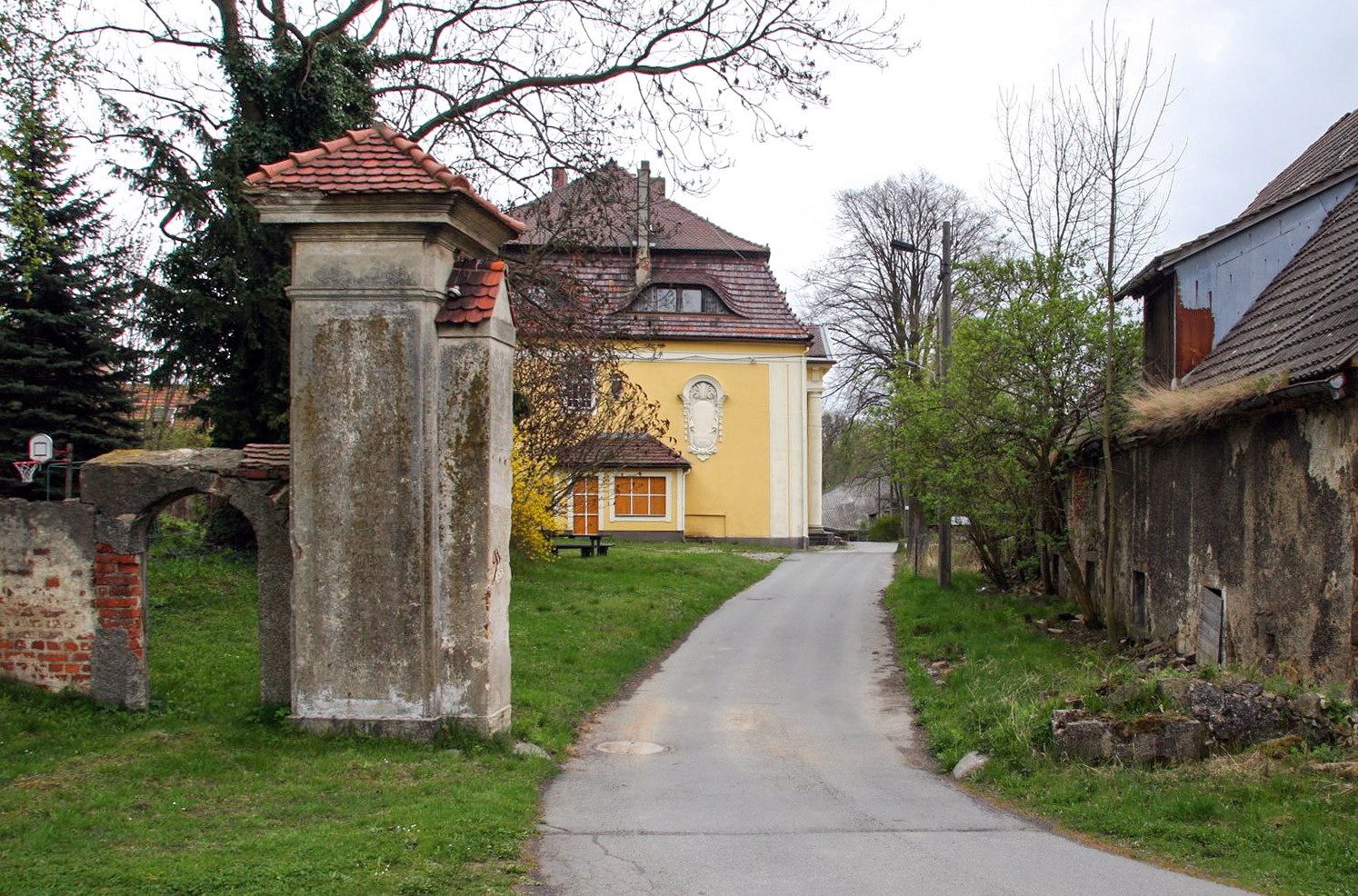
The manor house was built around 1724 after a previous structure on the site was partially destroyed by fire. Historical records confirm that a knight’s estate existed here as early as the 13th/14th century. A rock-hewn cellar with an old well and passageways suggests even earlier use of the property.
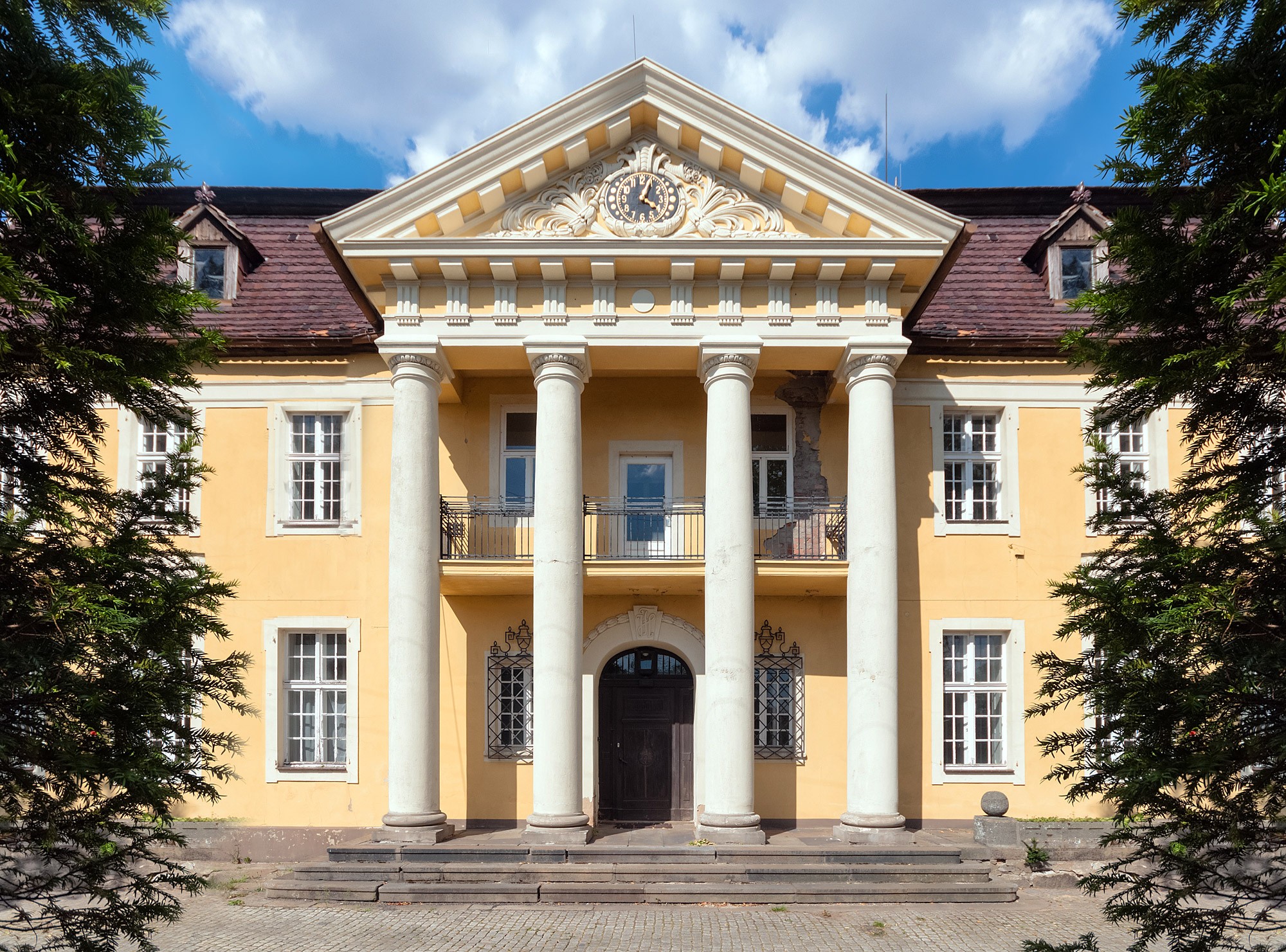
The solid masonry building, with exterior walls approximately 35 inches thick, retains its original roof structure, one of the earliest Baroque mansard roofs in Upper Lusatia. A columned portico defines the southwest-facing main façade and bears a clock crafted around 1920 by the Berlin tower clockmaker Georg Richter.
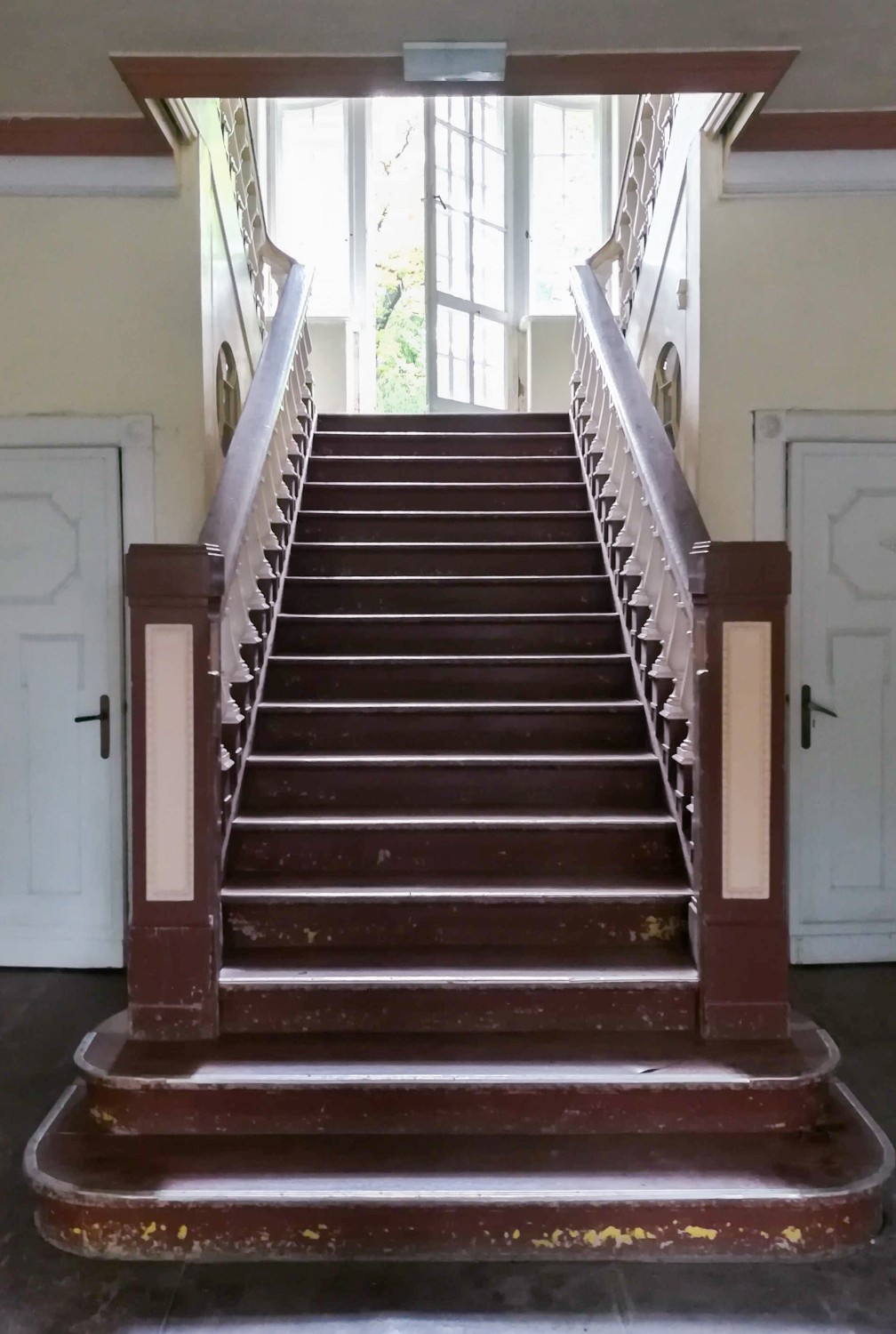
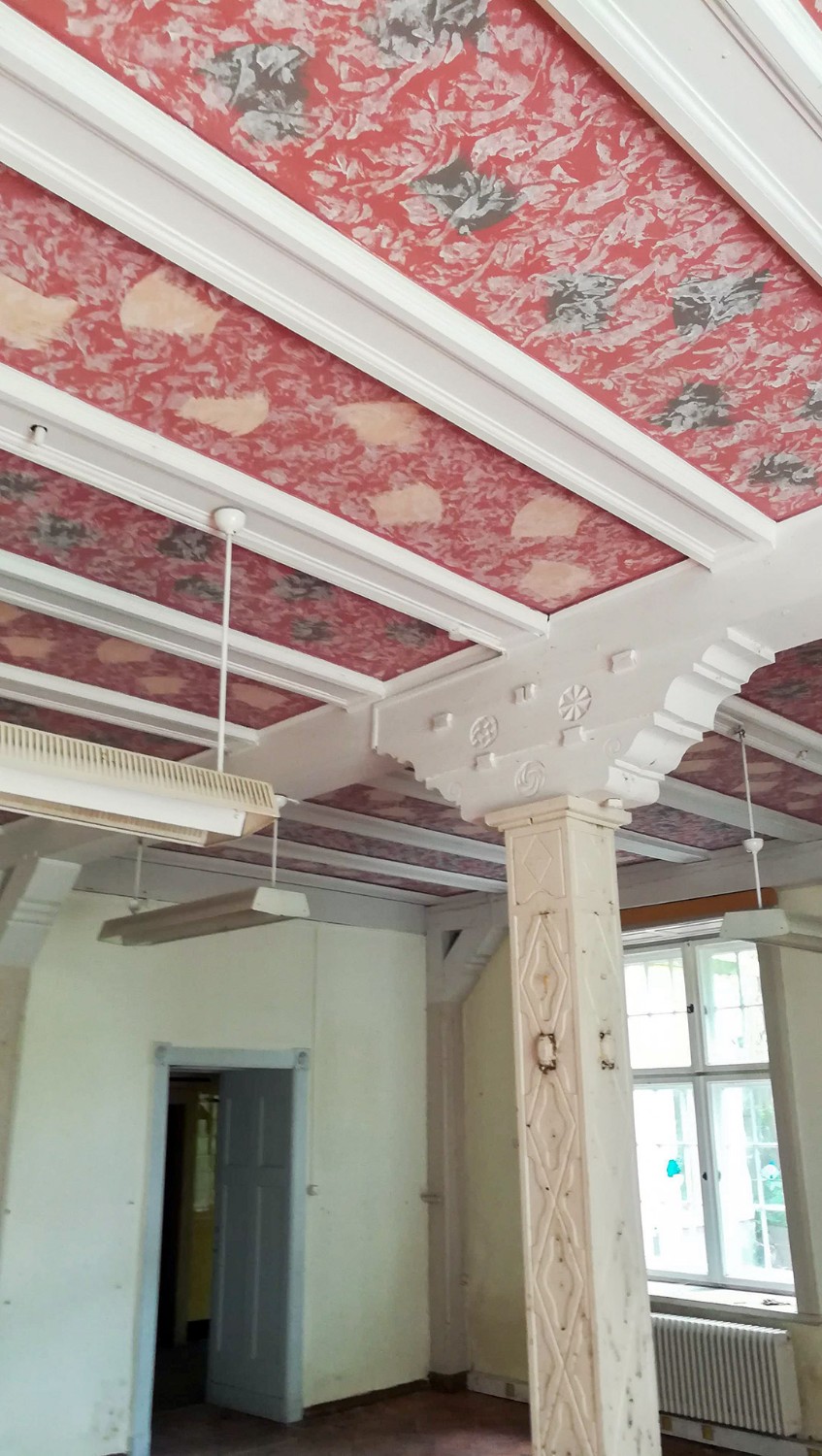
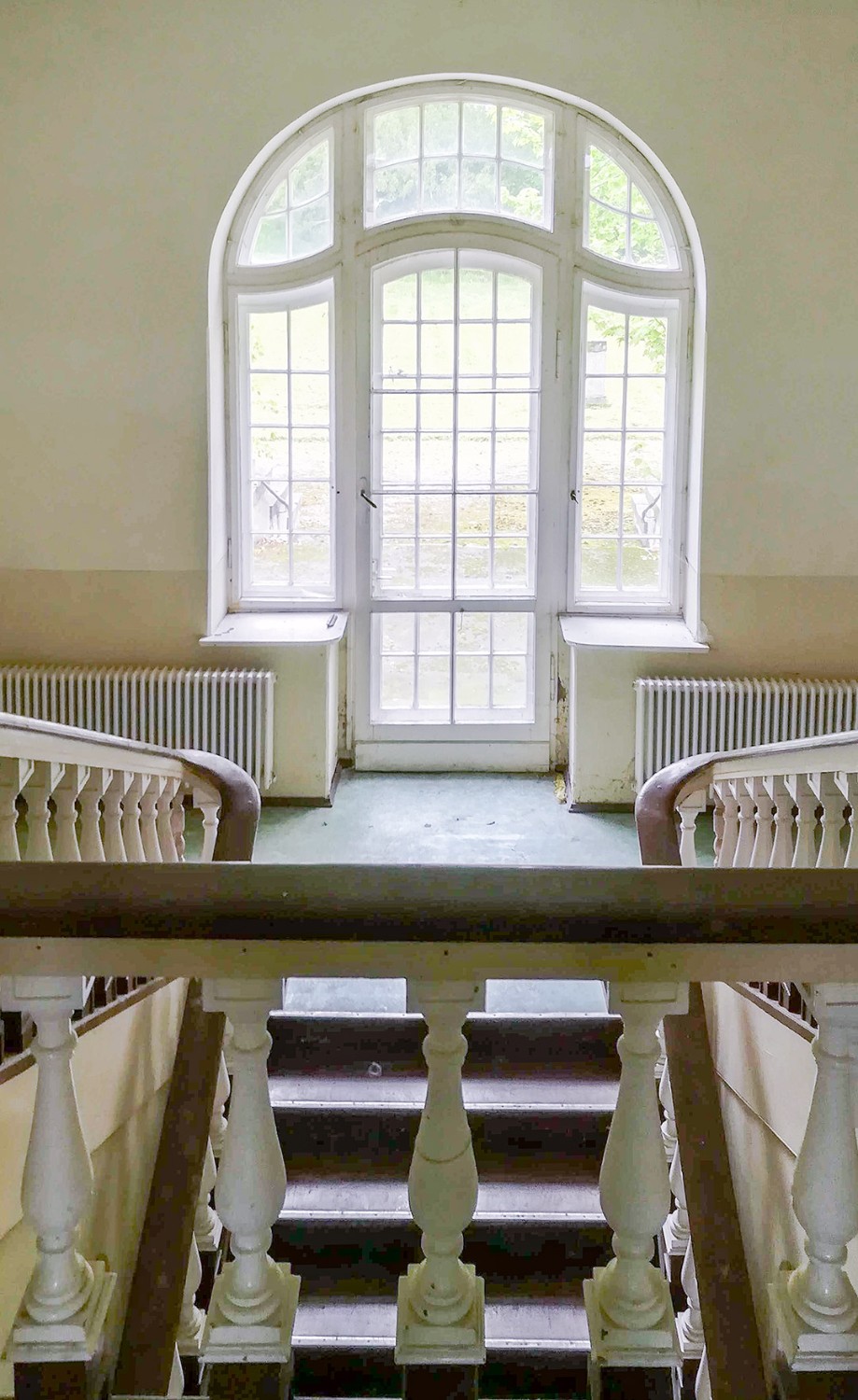
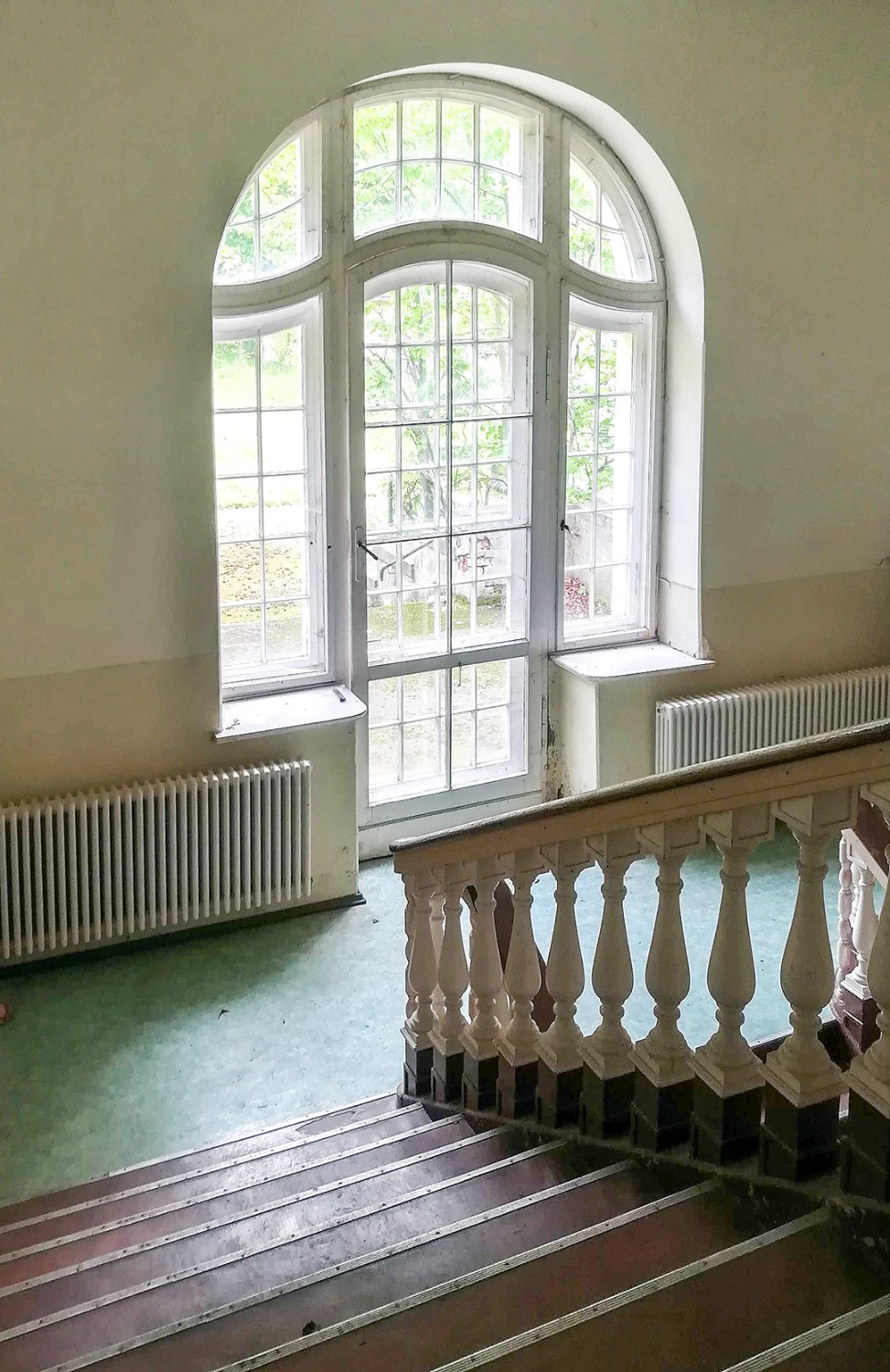
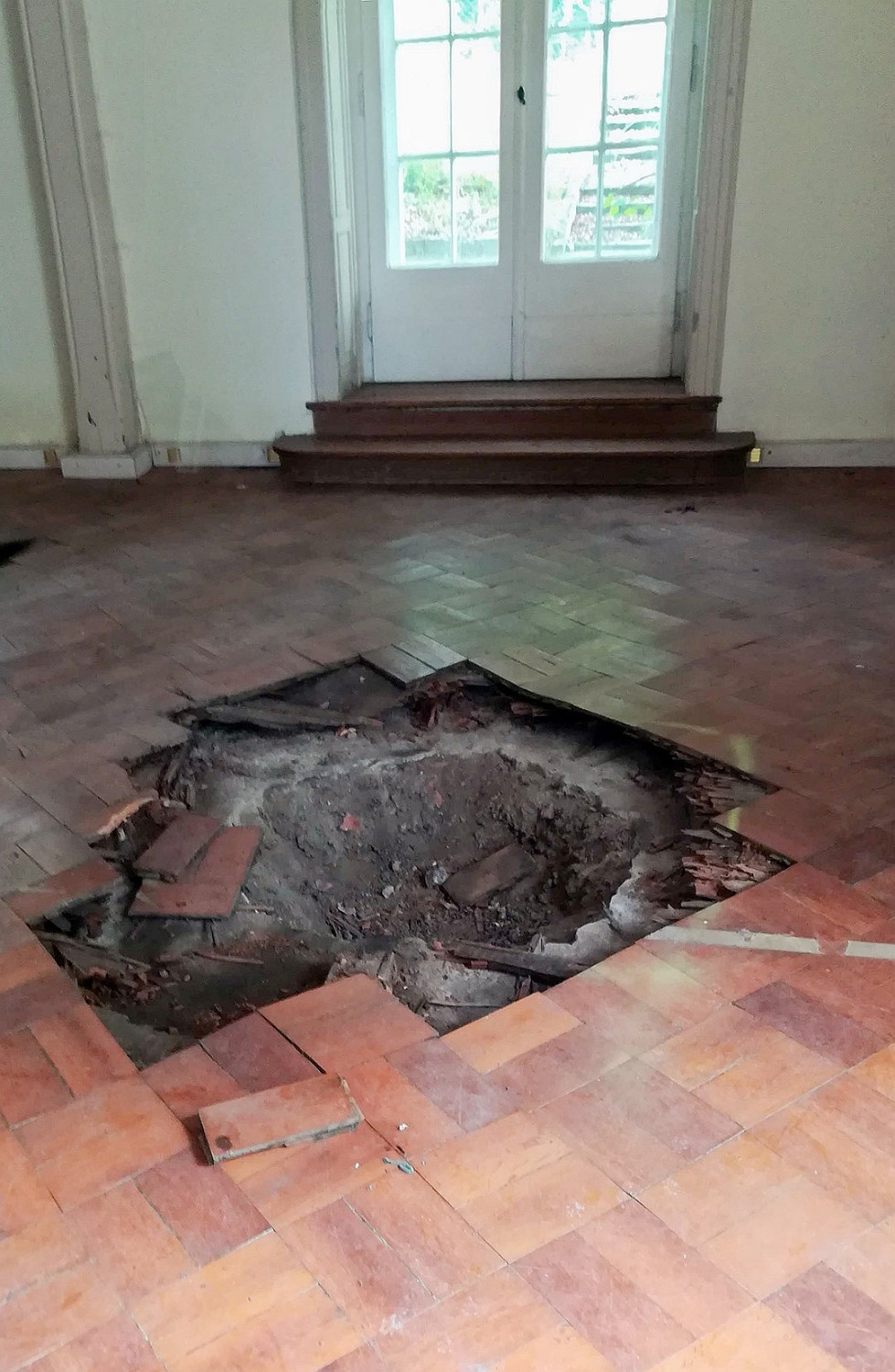
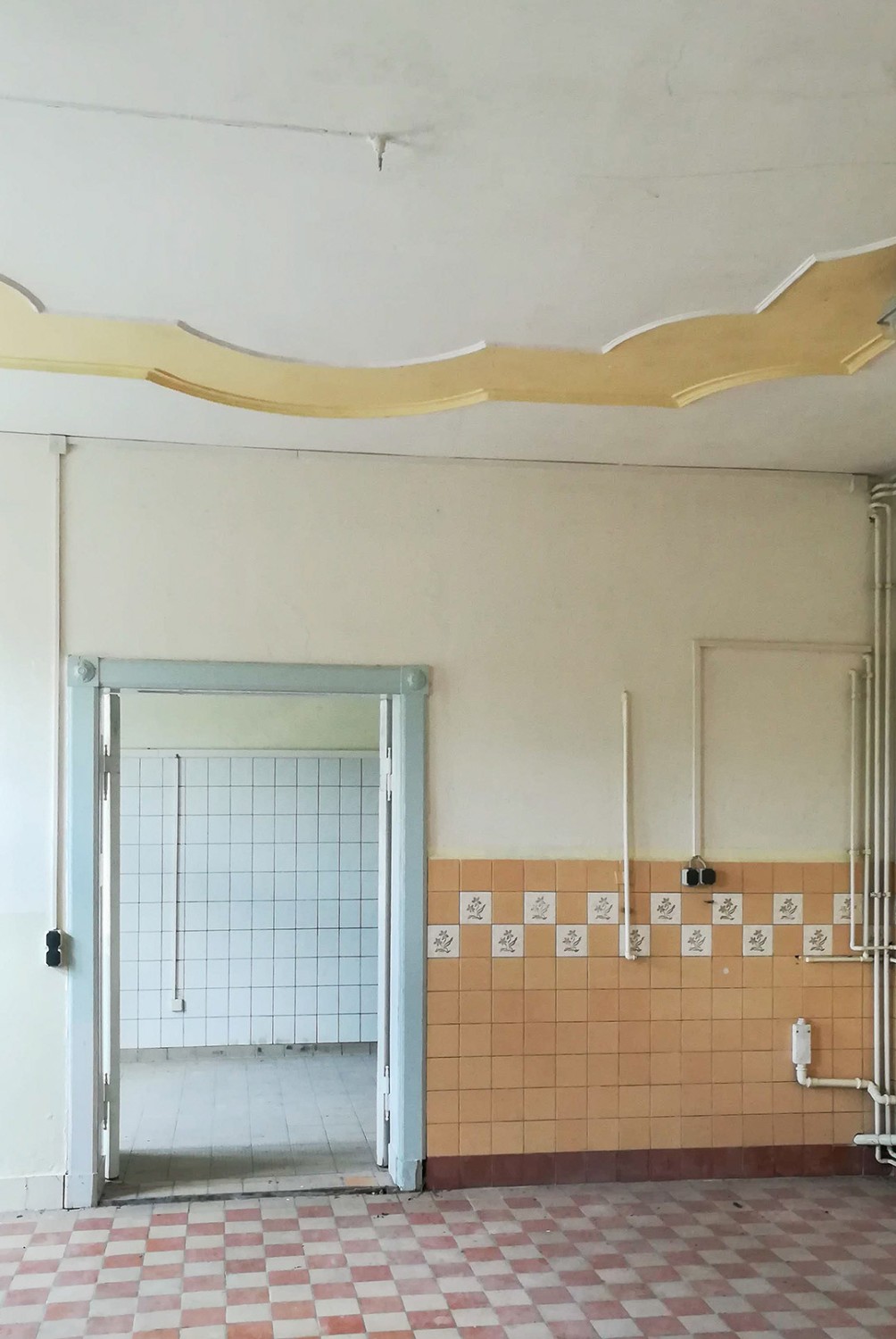
Inside, a grand double-flight staircase connects the centrally arranged halls on the ground and upper floors. The upper floor preserves original wide-plank castle flooring—protected for decades beneath coverings and fiberboard and therefore in remarkably good condition. A Baroque stucco ceiling adorns the salon on the ground floor. A secondary staircase, the so-called servants’ stair, provides access from a side entrance and allows for independent use of individual sections of the building.
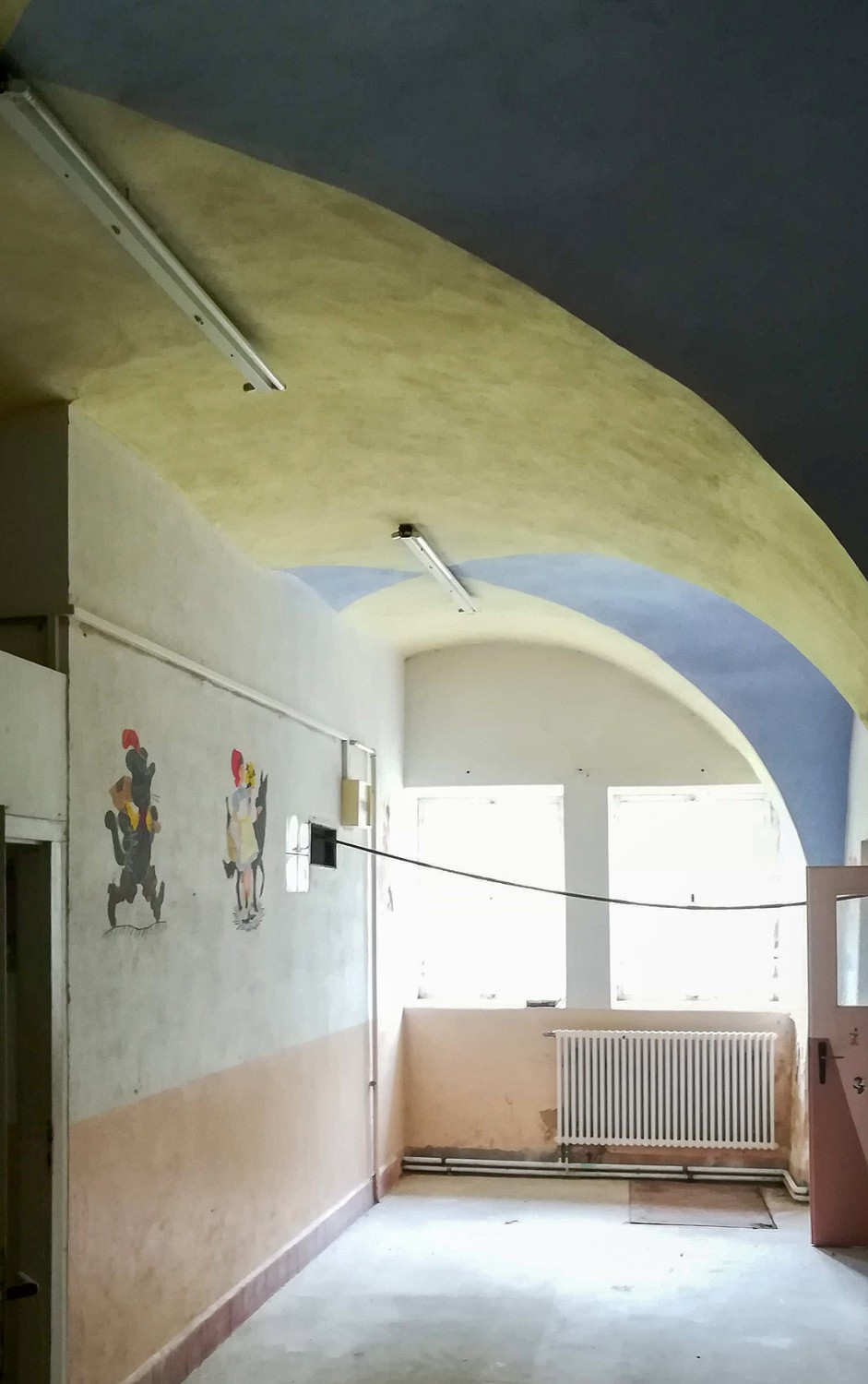
The property also includes approximately 1.2 acres of meadowland with traditional orchard trees, as well as former stables (approx. 2,475 sq ft) featuring vaulted ceilings supported by granite columns and a spacious loft. In recent years, stabilization work has been carried out on the stable building: the roof was secured, beams were renewed and reinforced and the flooring was repaired.
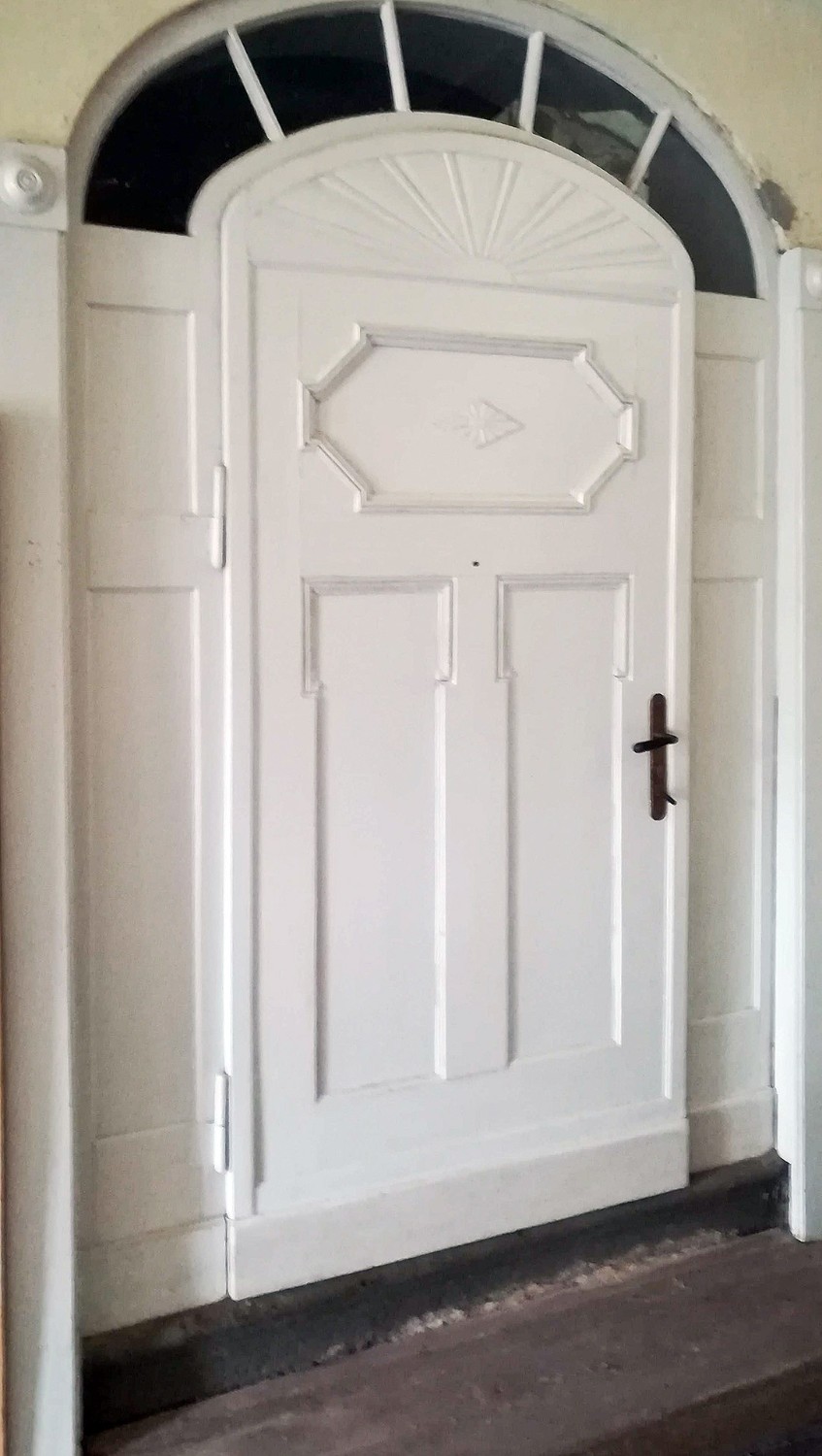
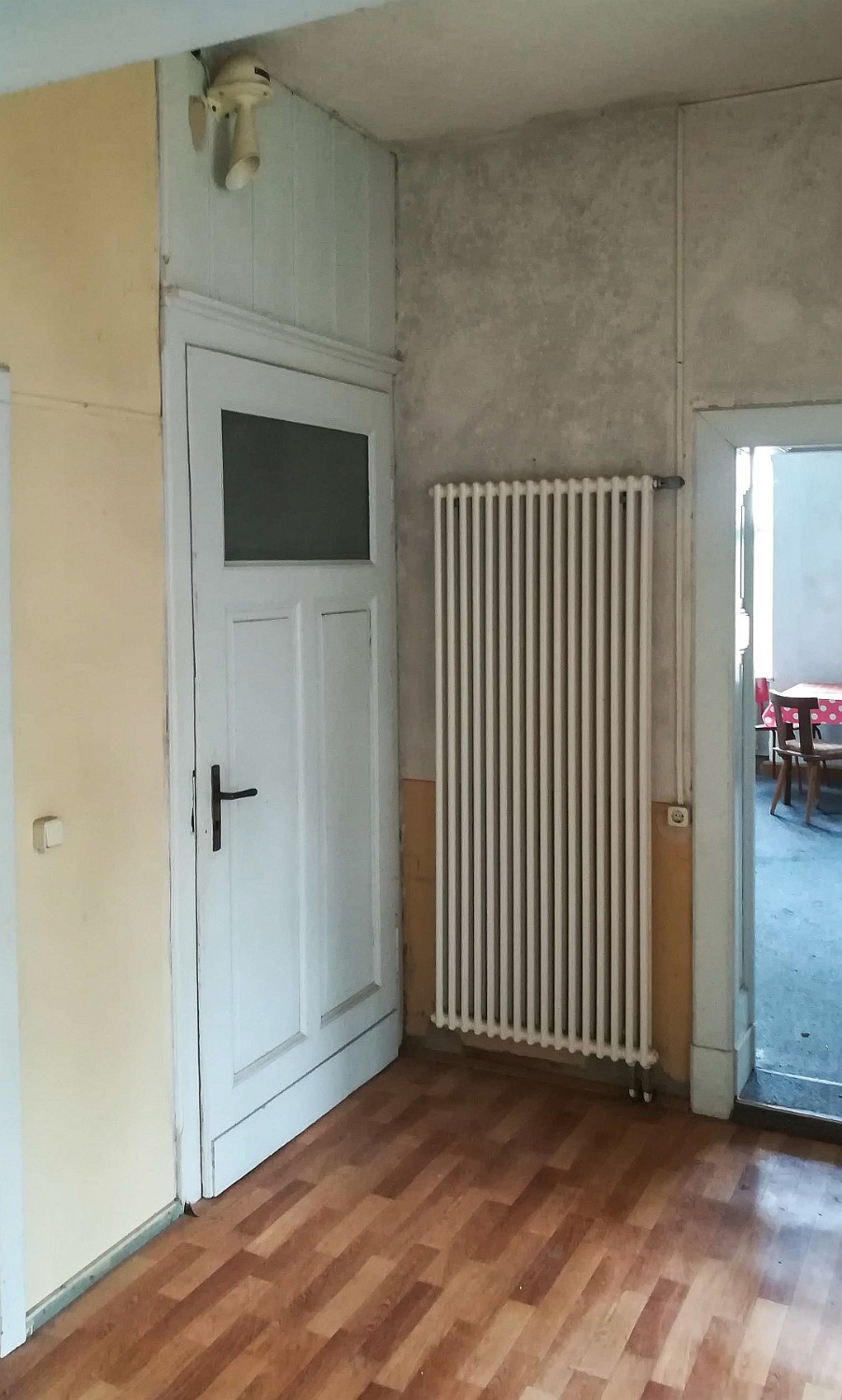
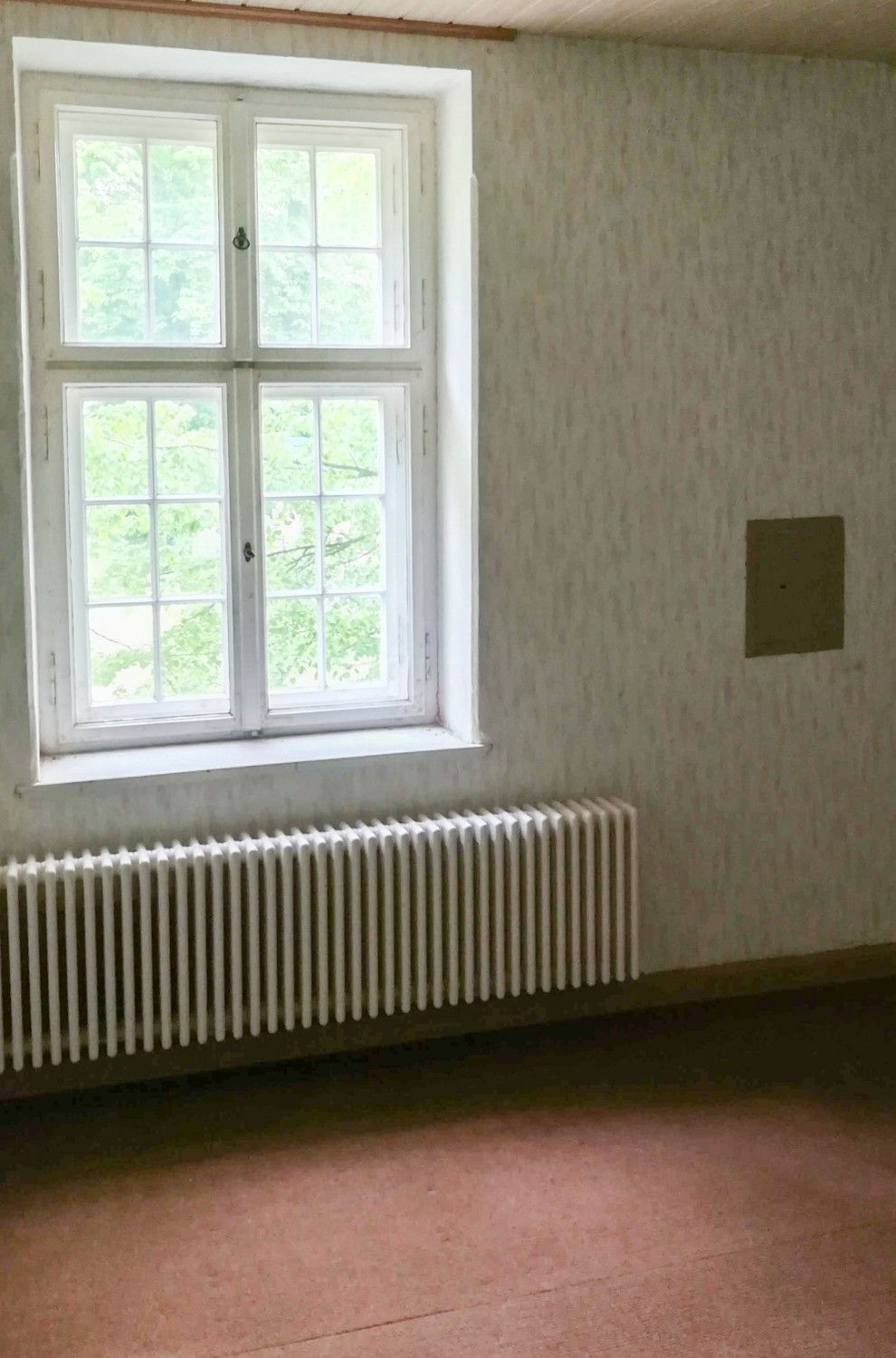
Until 2002, the manor was used as a kindergarten and after-school facility. The interior therefore reflects a simple, now outdated level of finish. Extensive renovation and modernization will be required for future use. Original architectural details such as the staircase, wood paneling, doors and stucco ceilings provide an excellent foundation for a historically sensitive restoration.
Oil-fired central heating is installed; a gas connection is available.
Location
The manor house is situated on the outskirts of Herrnhut in the Upper Lusatian Highlands, near the Zittau Mountains. Herrnhut was founded in 1722 by Moravian and Bohemian religious refugees and is internationally known as the seat of the Moravian Church; the famous Herrnhut Star is still produced here today. Efforts are currently underway to have the Moravian Church community recognized as a UNESCO World Heritage Site.
Distances: Löbau 5 miles, Zittau 11 miles, Görlitz 19 miles. Dresden Airport can be reached in approximately 60 minutes. Prague is about 93 miles away, Wrocław 124 miles and Berlin 143 miles. Local amenities including shopping, schools, medical care and childcare facilities are available in town.