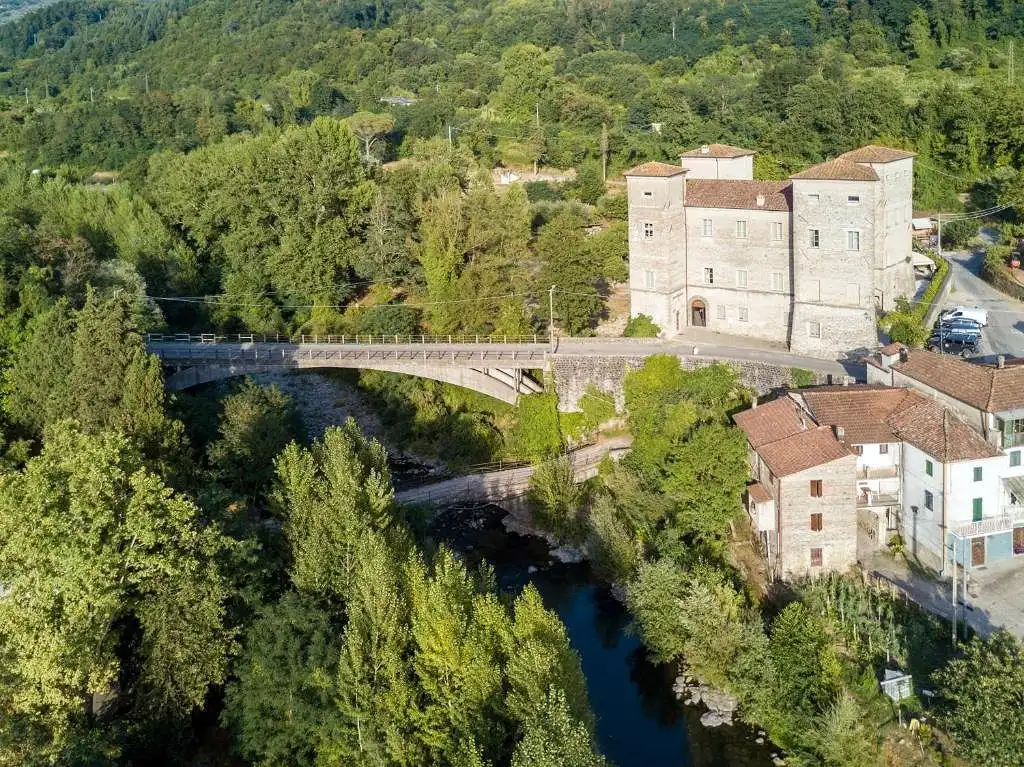
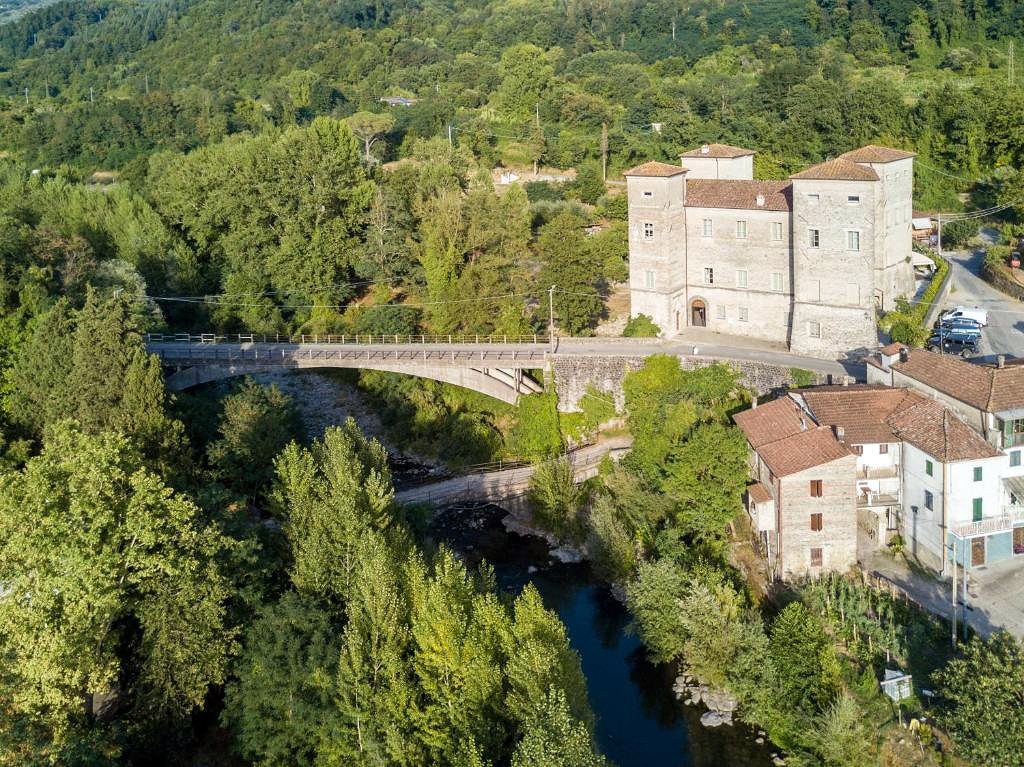
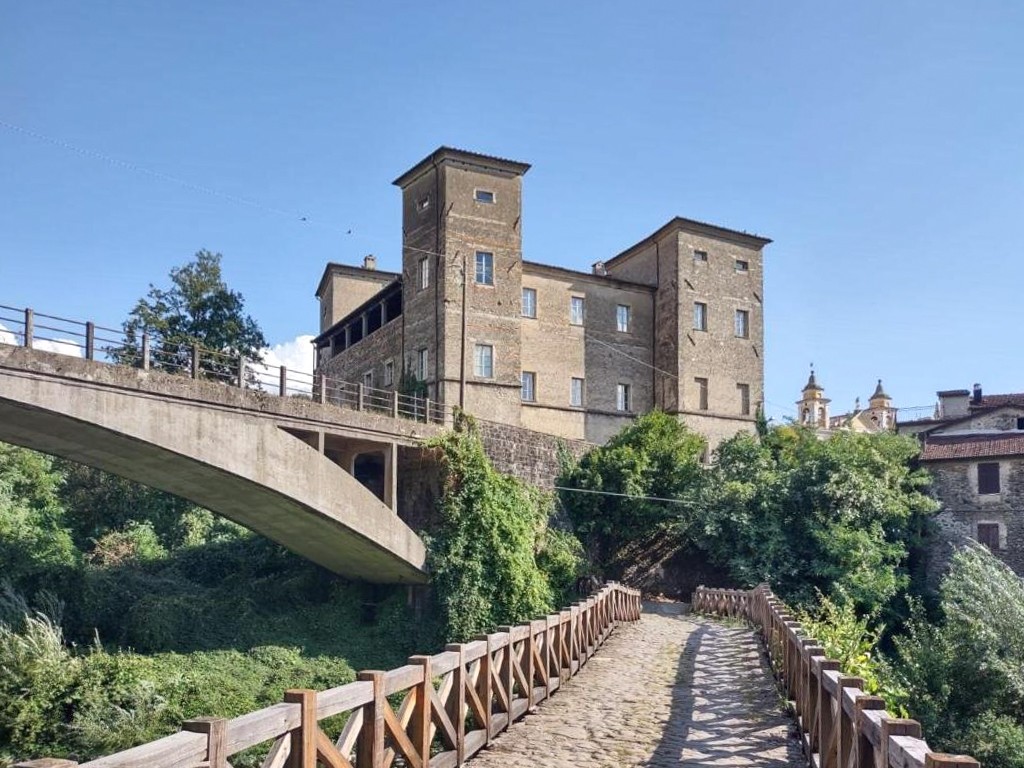
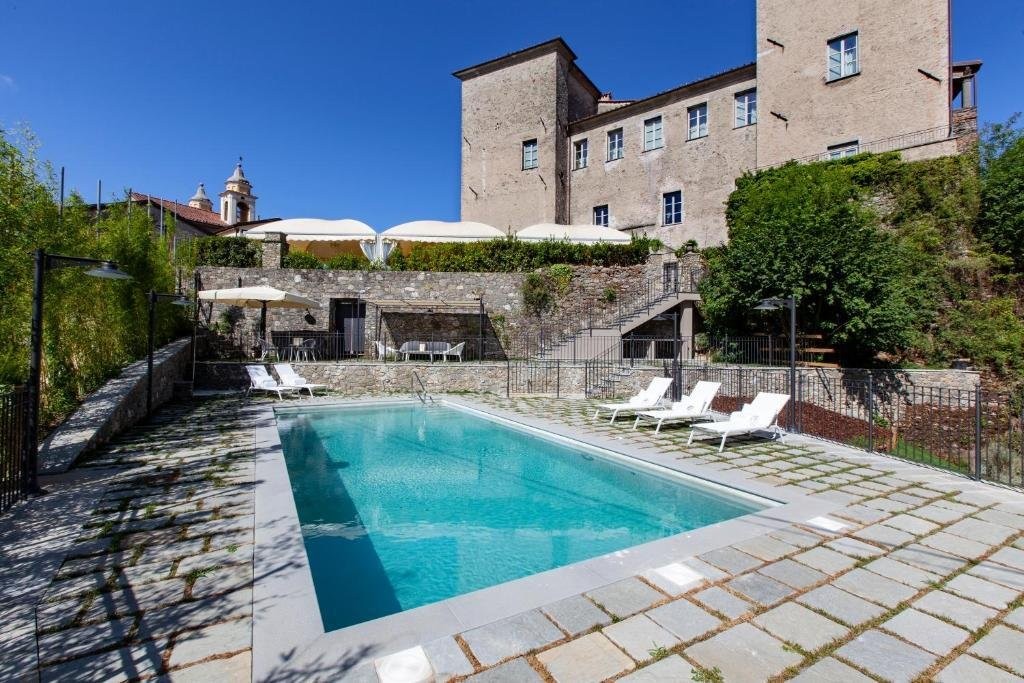
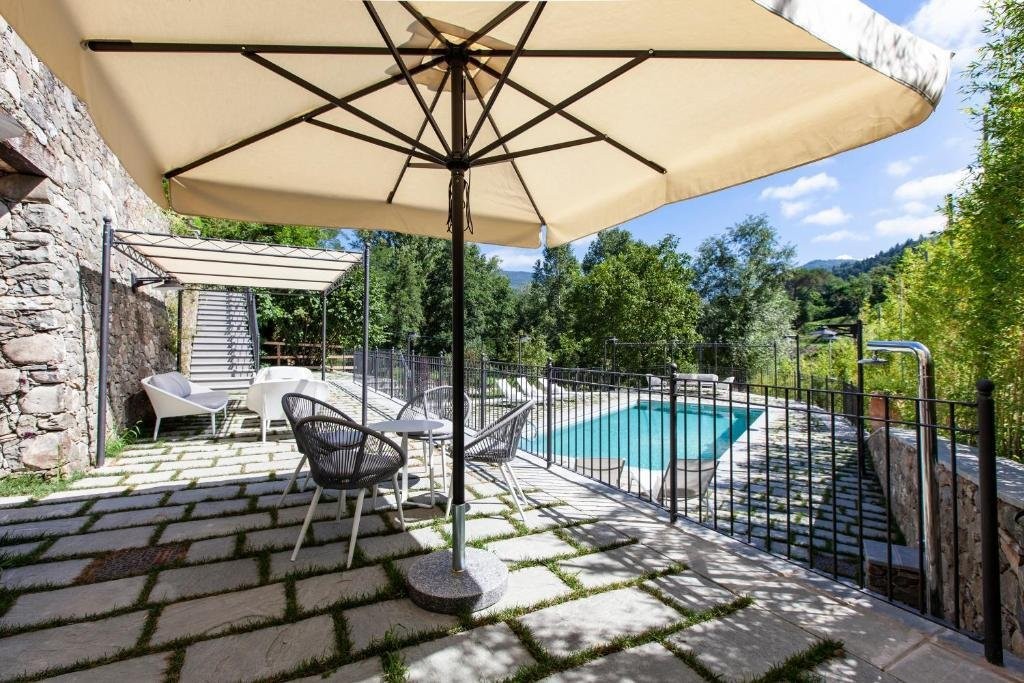
In the authentic landscapes of northern Tuscany stands Castello Licci, a 17th-century fortress converted into a fully operational luxury resort. Following comprehensive restoration, the property features a restaurant, spa, reception, pool and multiple event spaces, ready for immediate operation.
History and Architecture
The castle was built in the 1600s by a prominent regional family. After being destroyed twice, the current owners acquired the ruins and rebuilt the property from the ground up.
The exterior presents four corner towers with a commanding presence in the village center. A small stream runs along the property, shaping the atmosphere of the estate.
Layout and Infrastructure
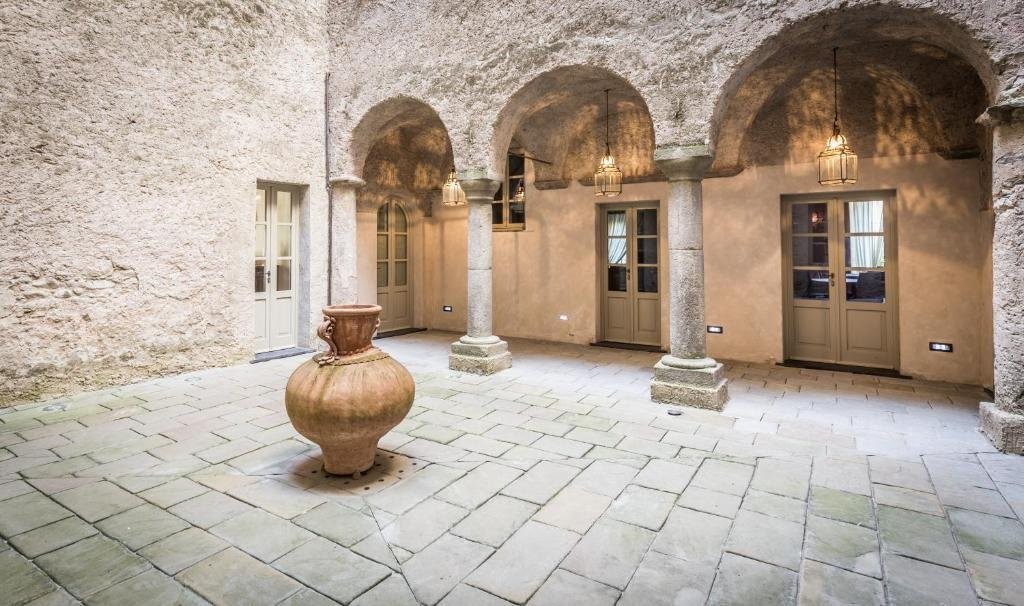
At the center of the complex sits a light-filled courtyard that brings natural light to the lower levels.
Ground Floor:
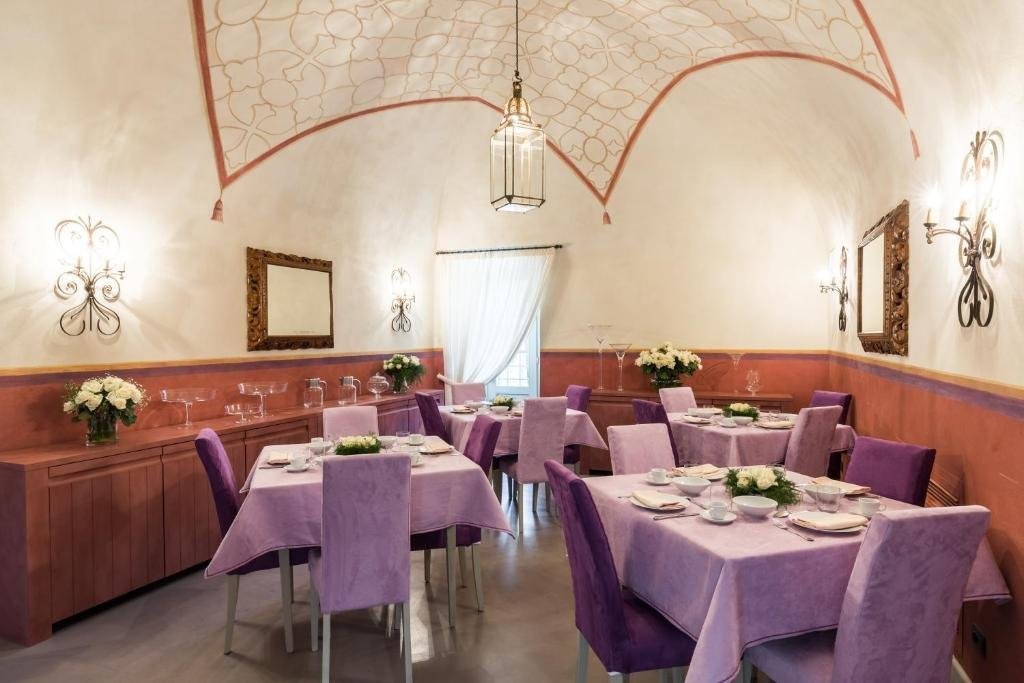
- Restaurant seating 120 inside, 32 outside
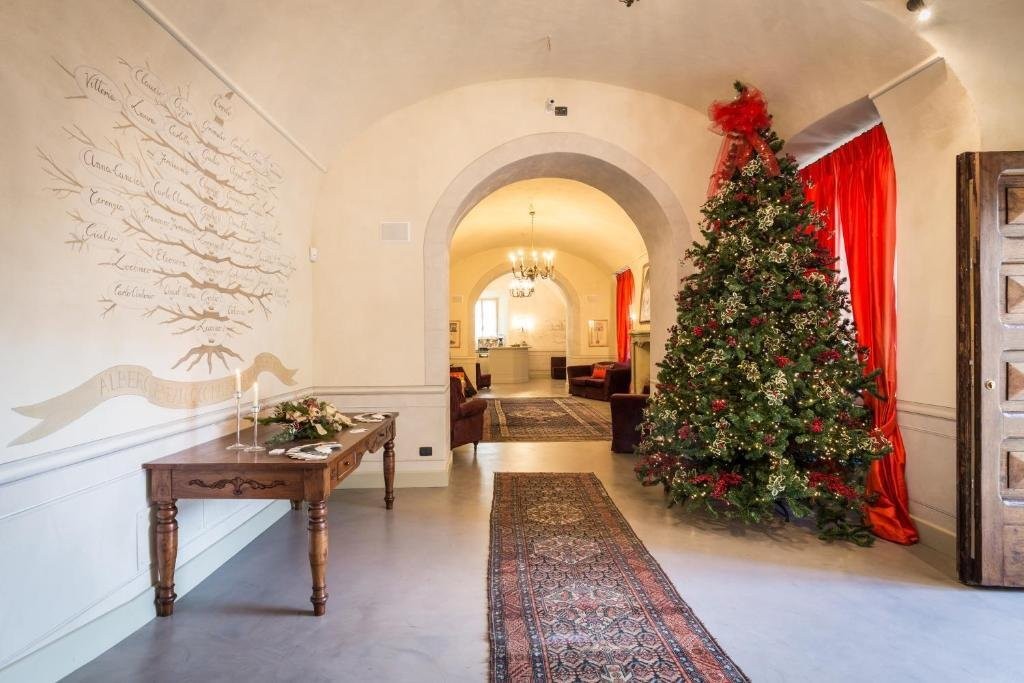
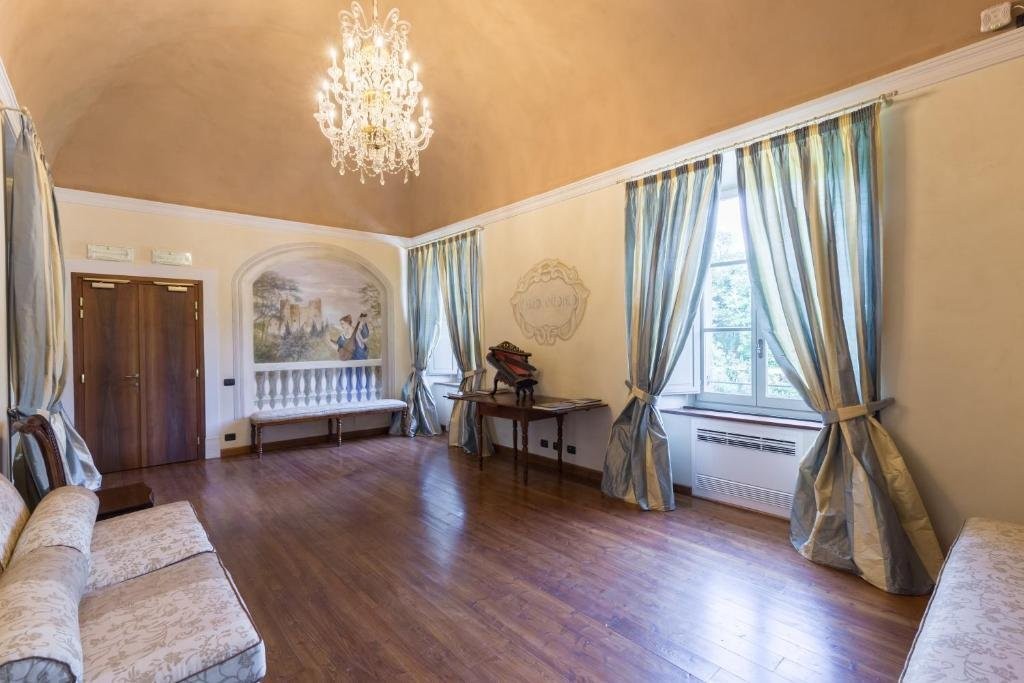
- Lounge bar and common areas
- Reception
- Spa with sauna, sensory shower and massage room
First Floor:
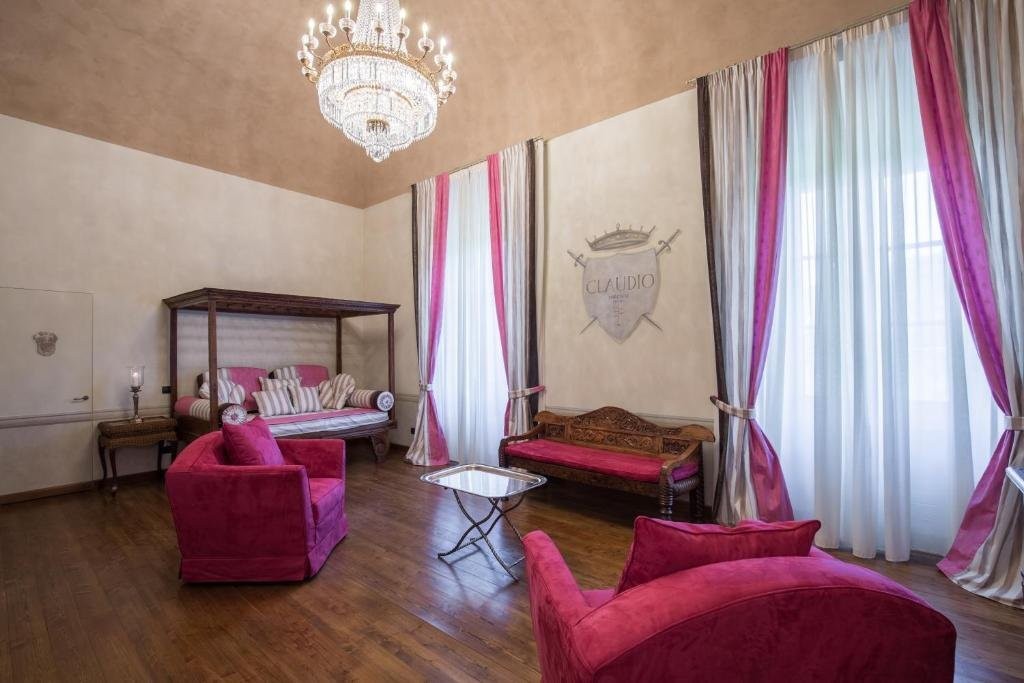
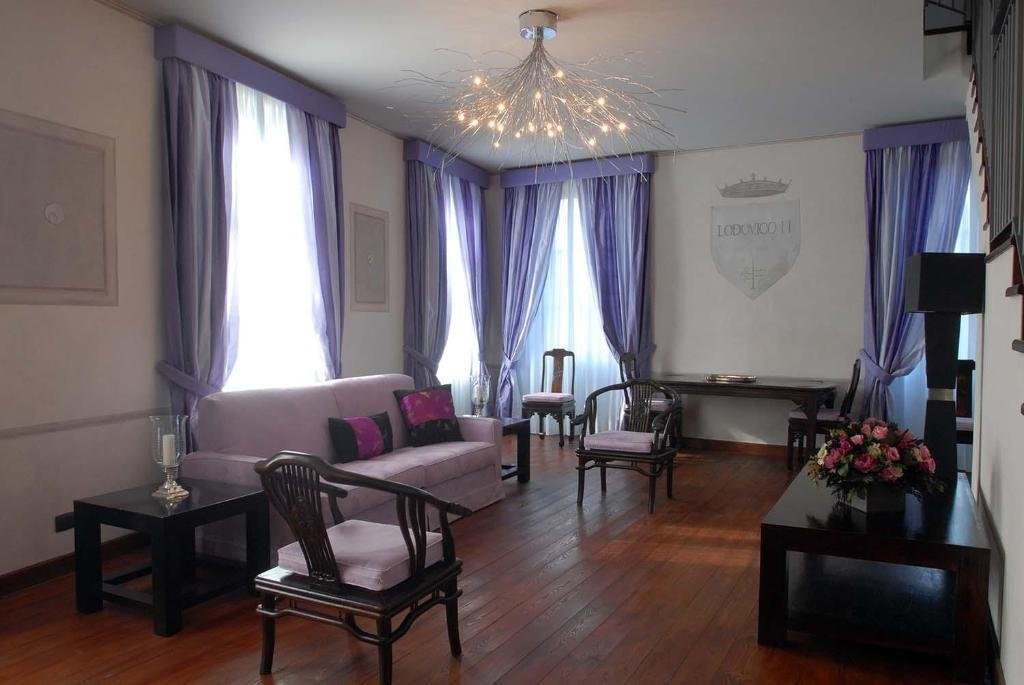
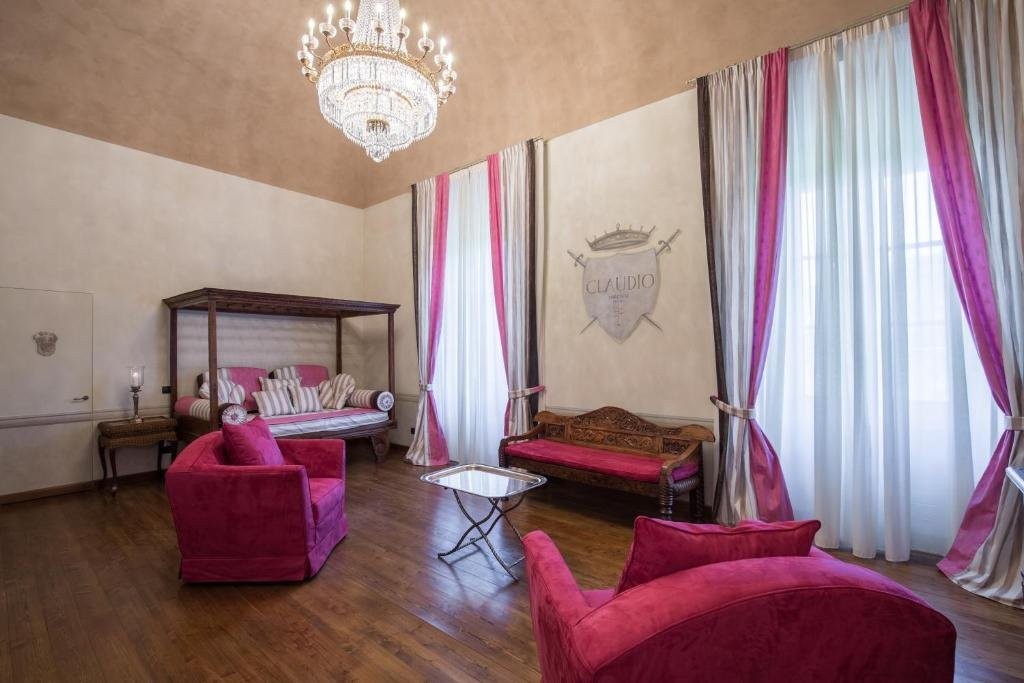
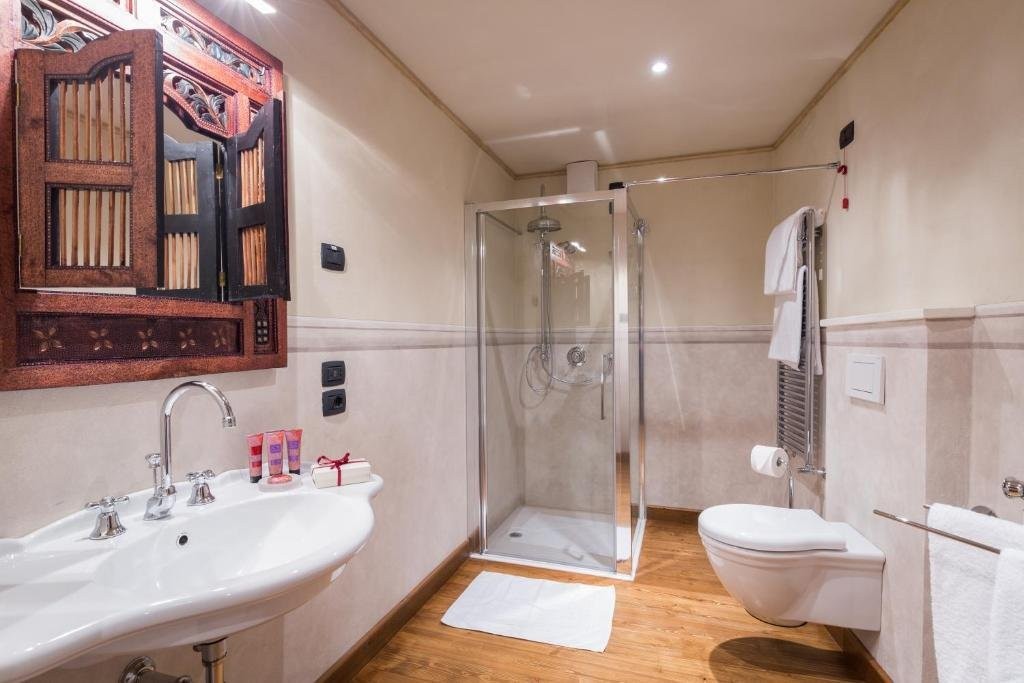
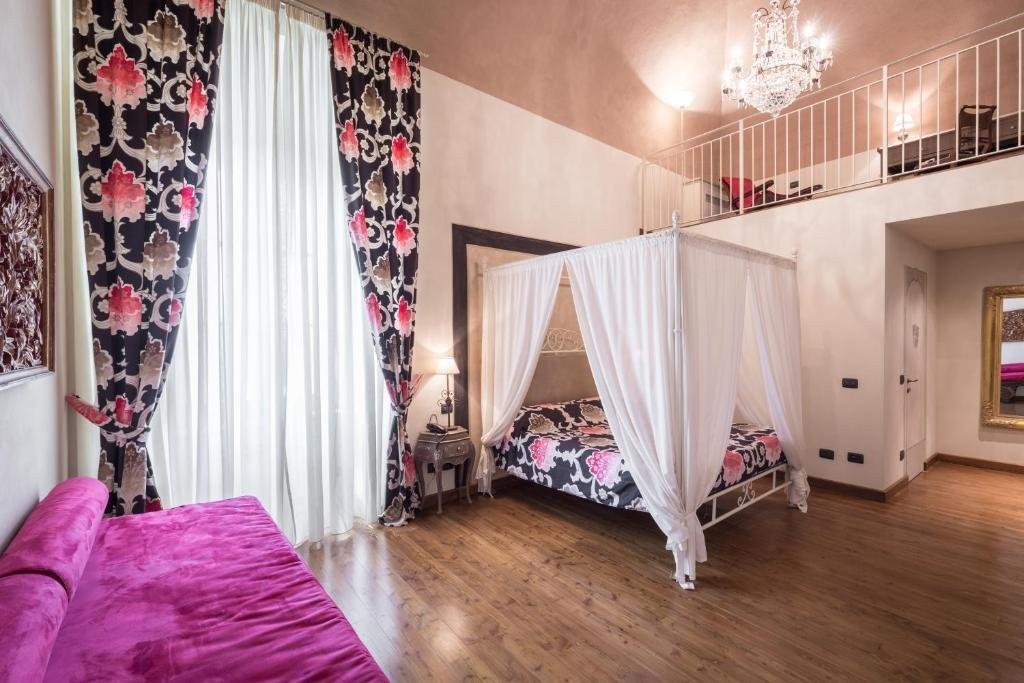
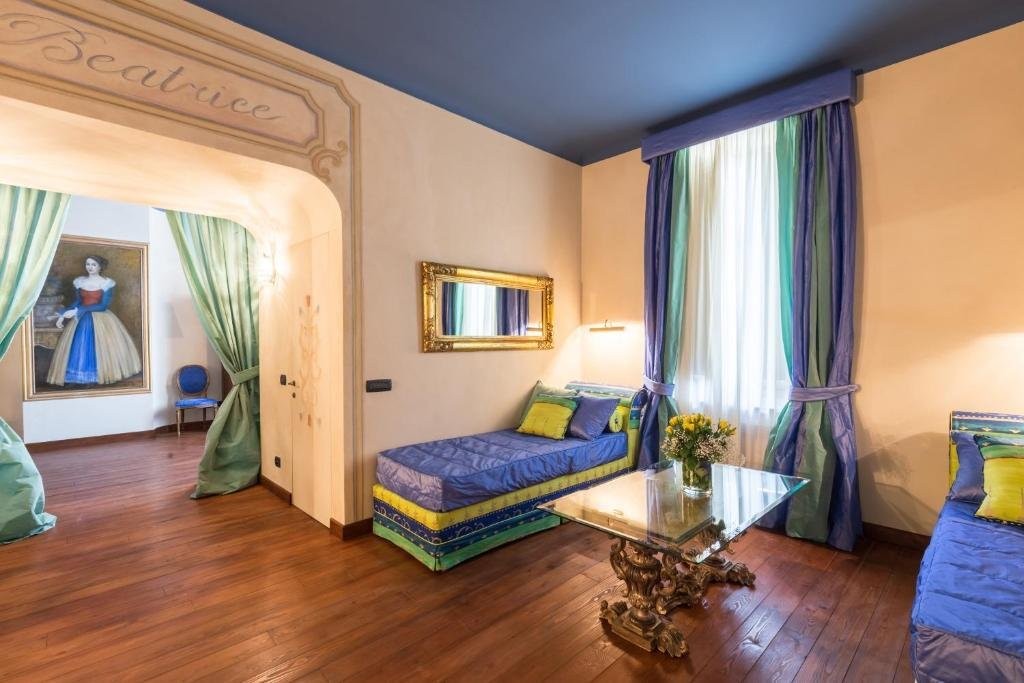
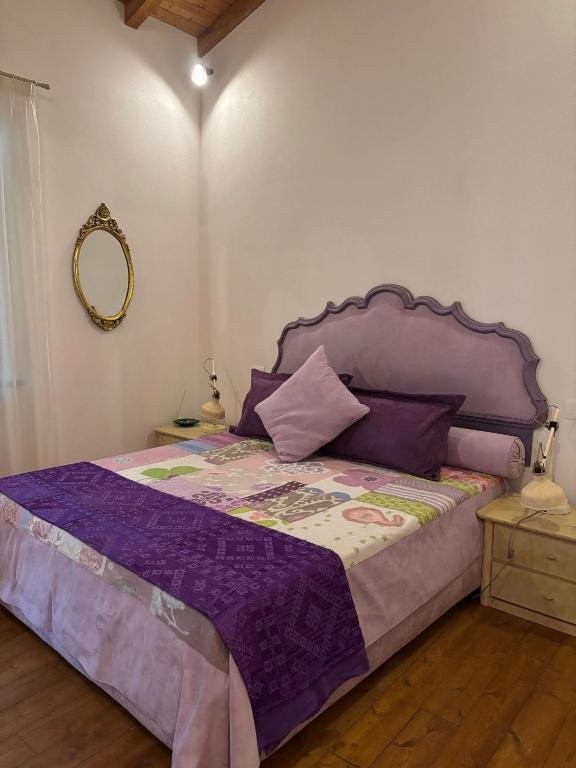
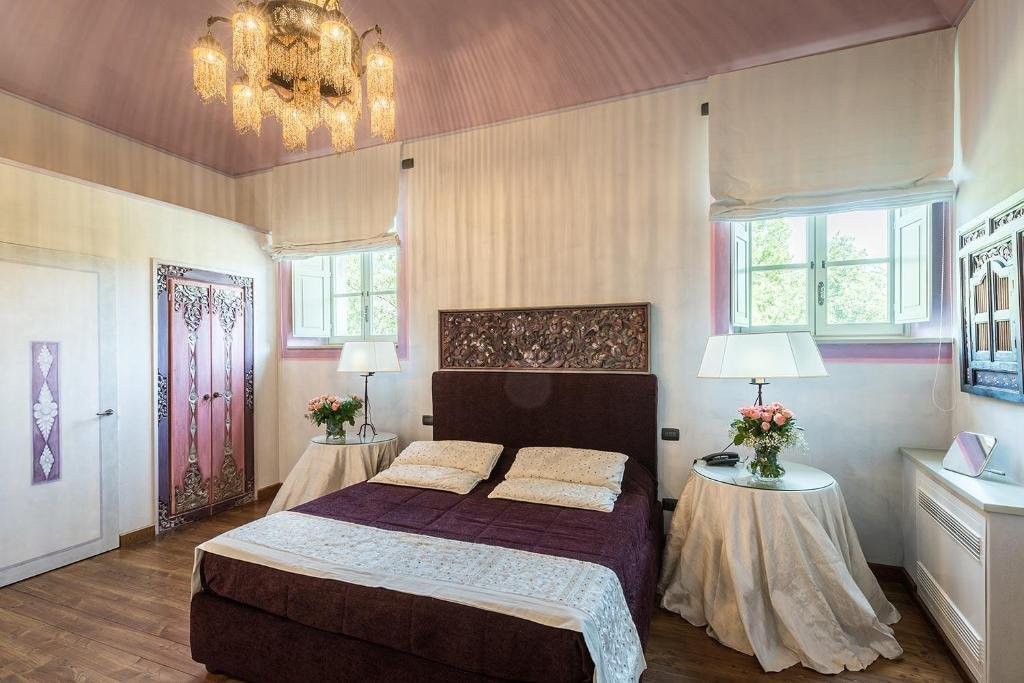
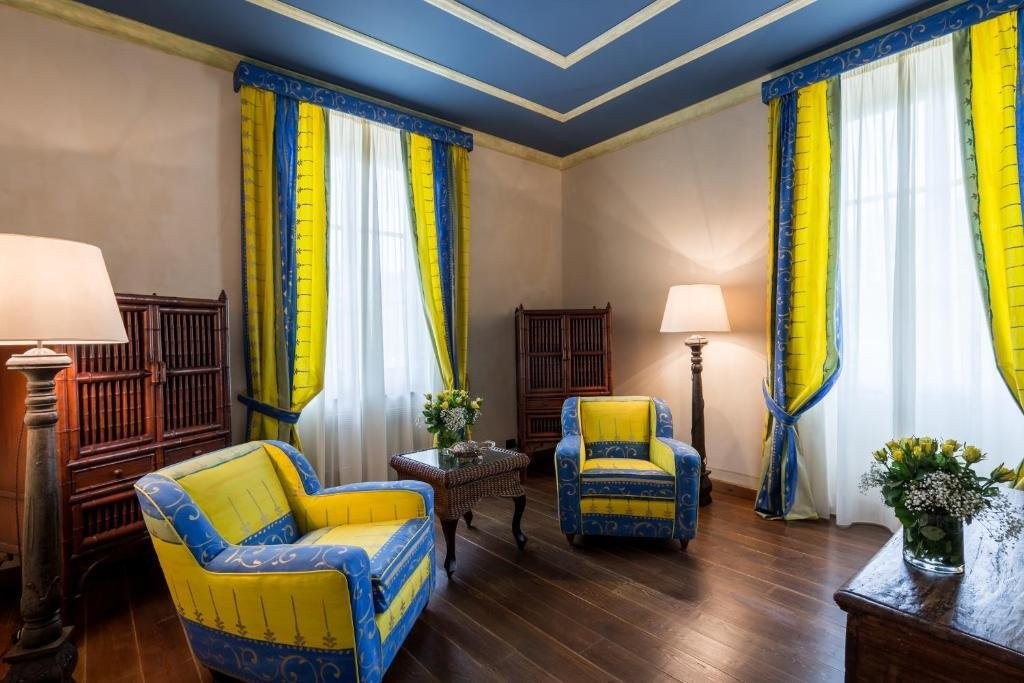
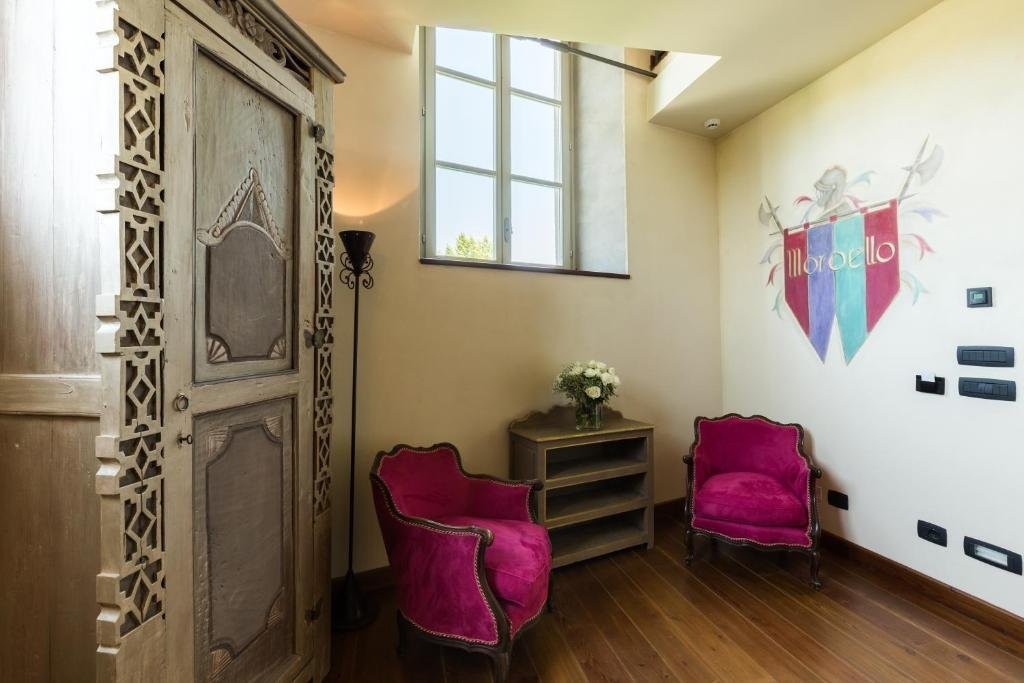
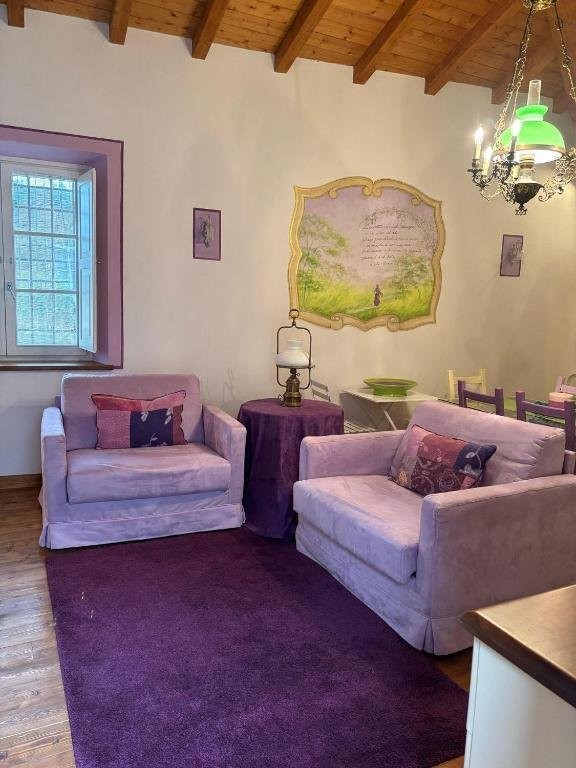
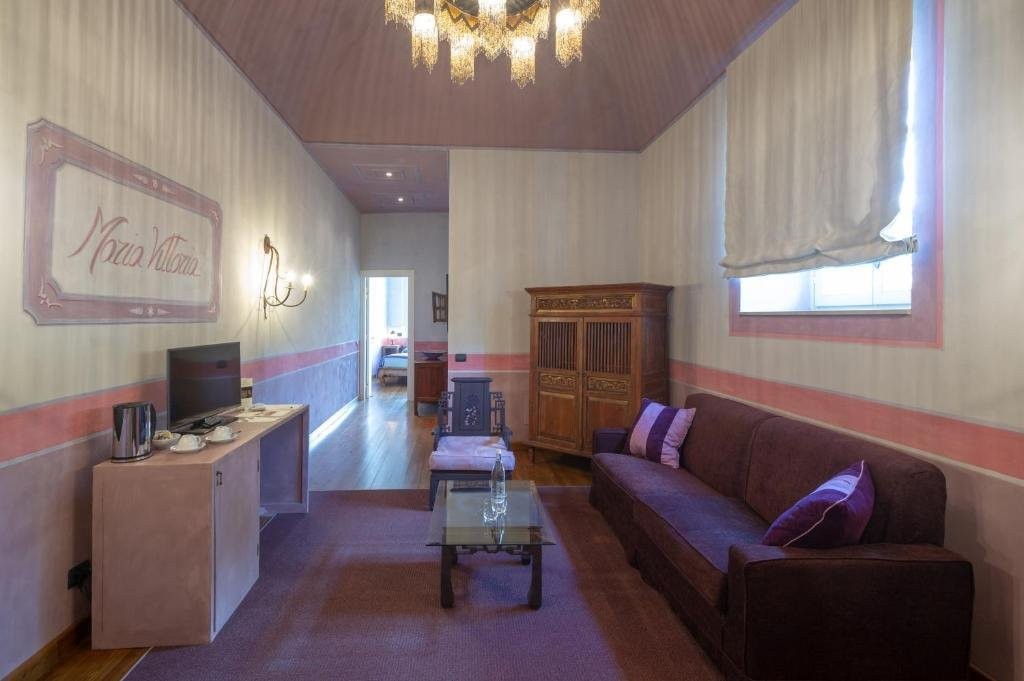
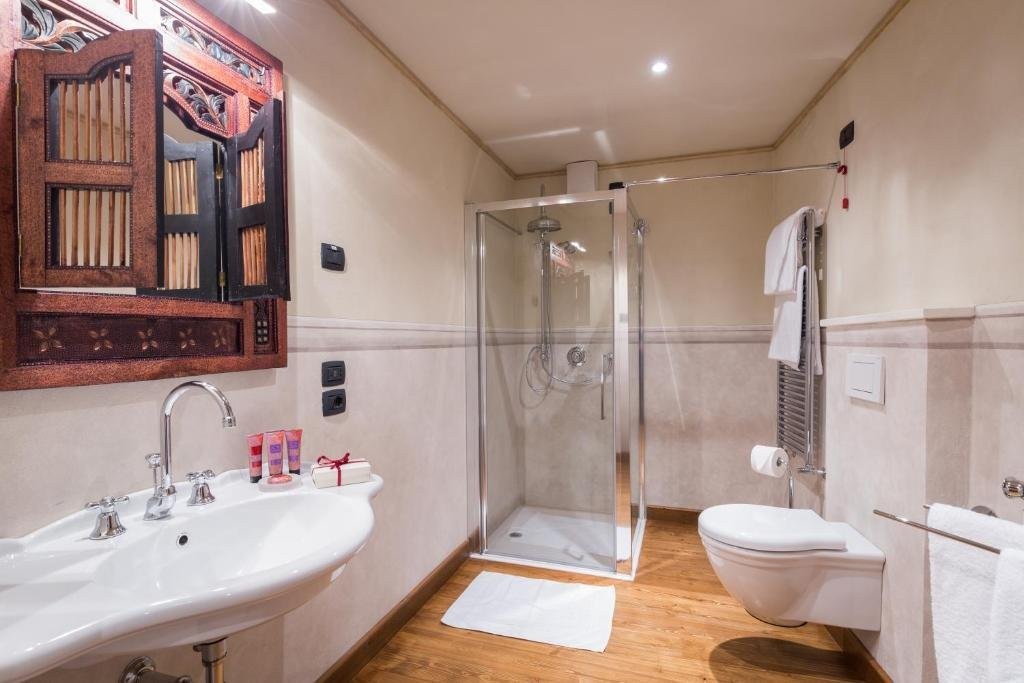
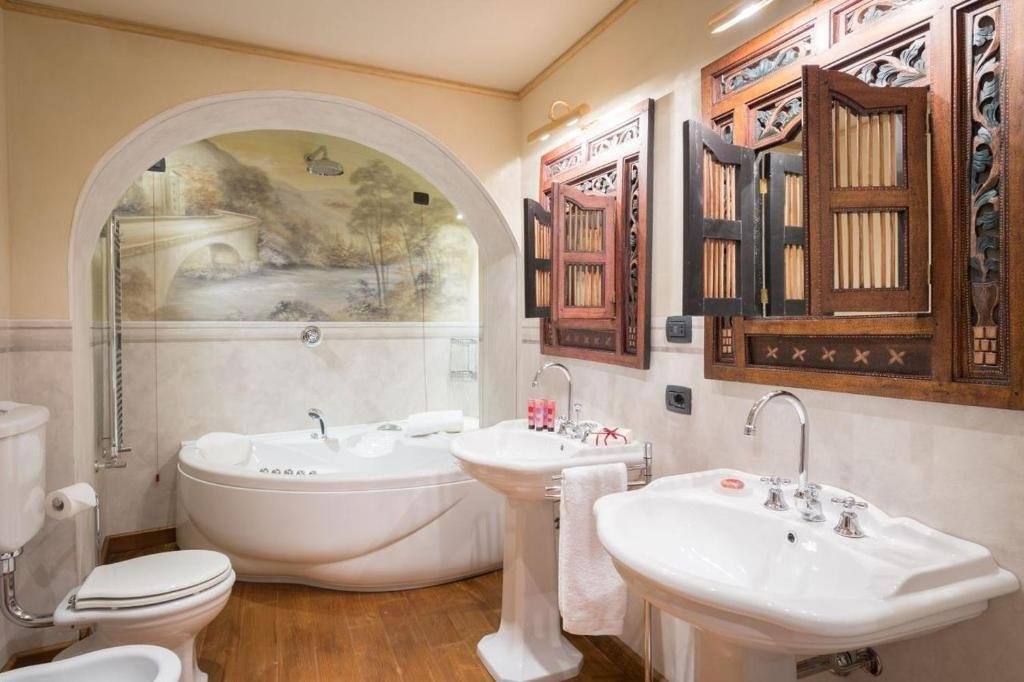
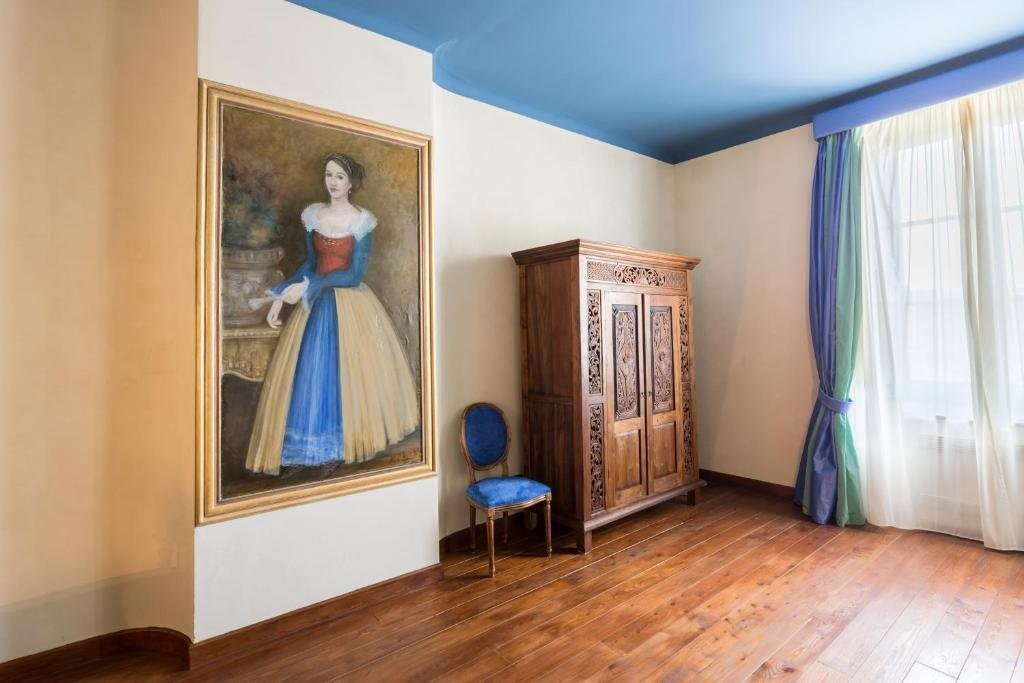
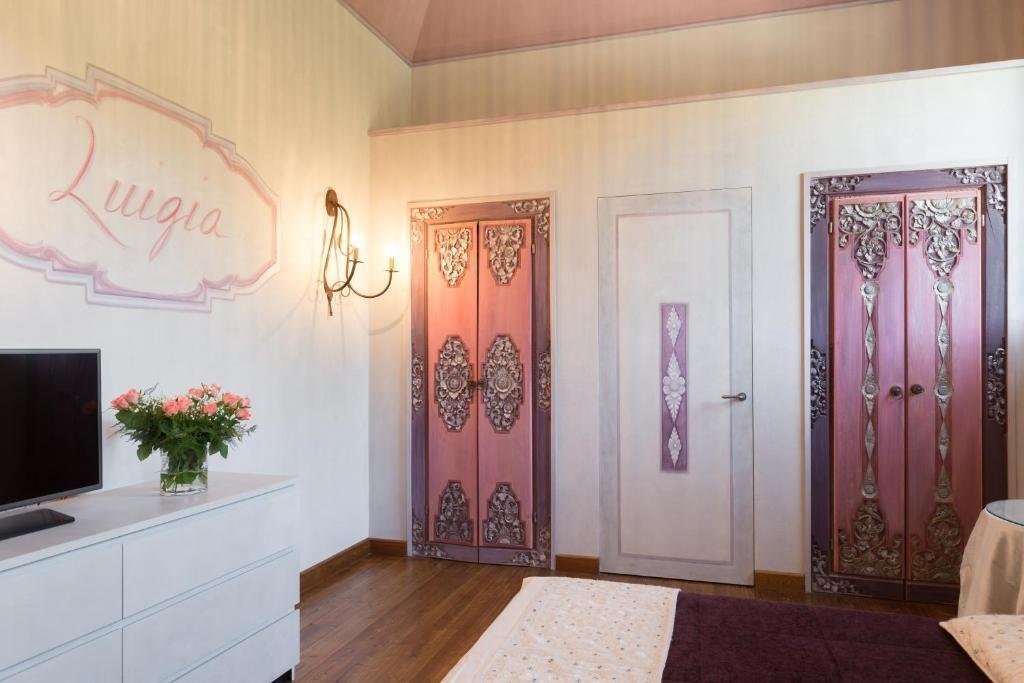
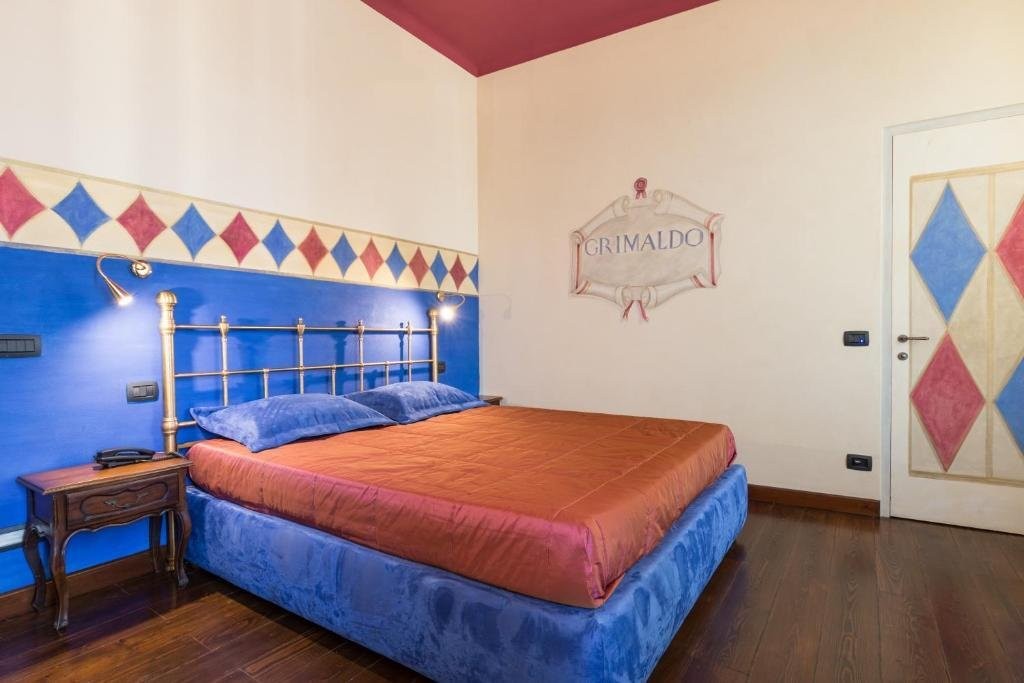
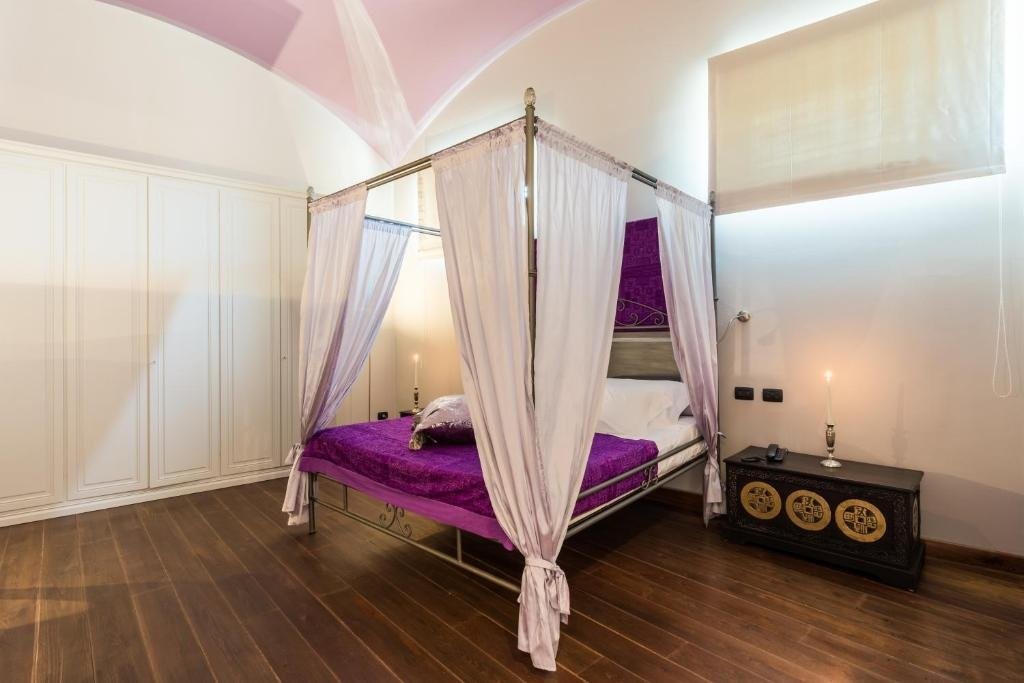
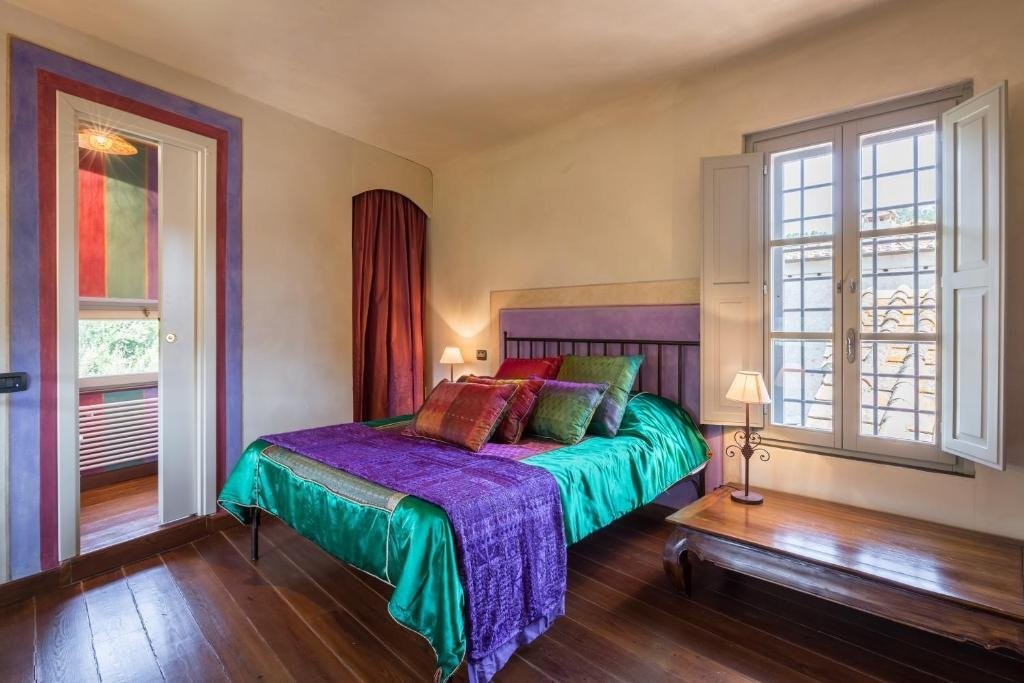
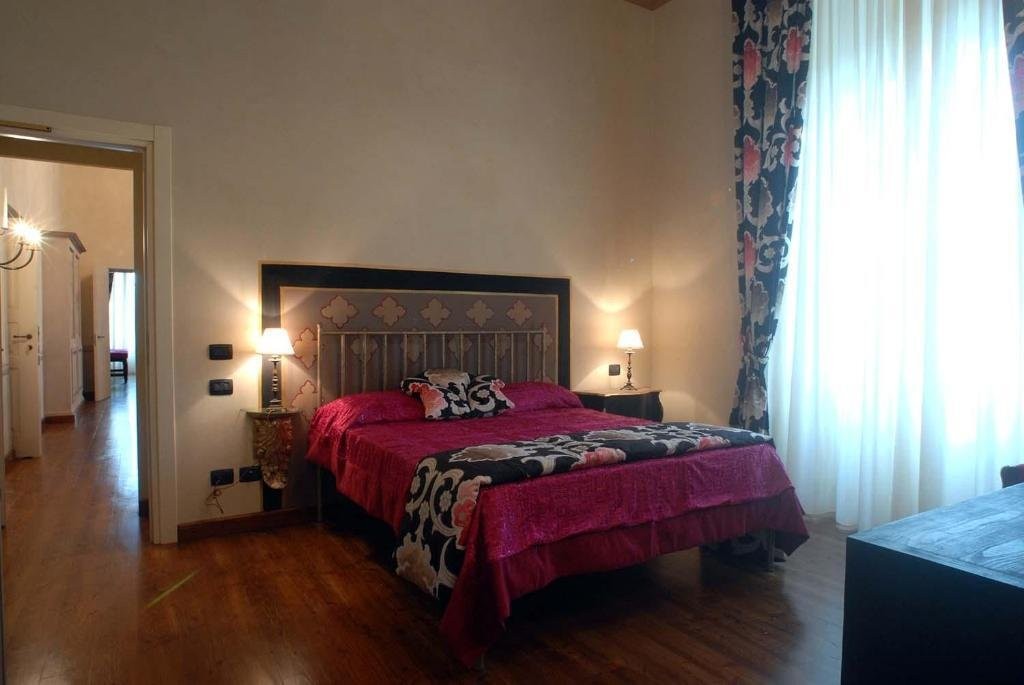
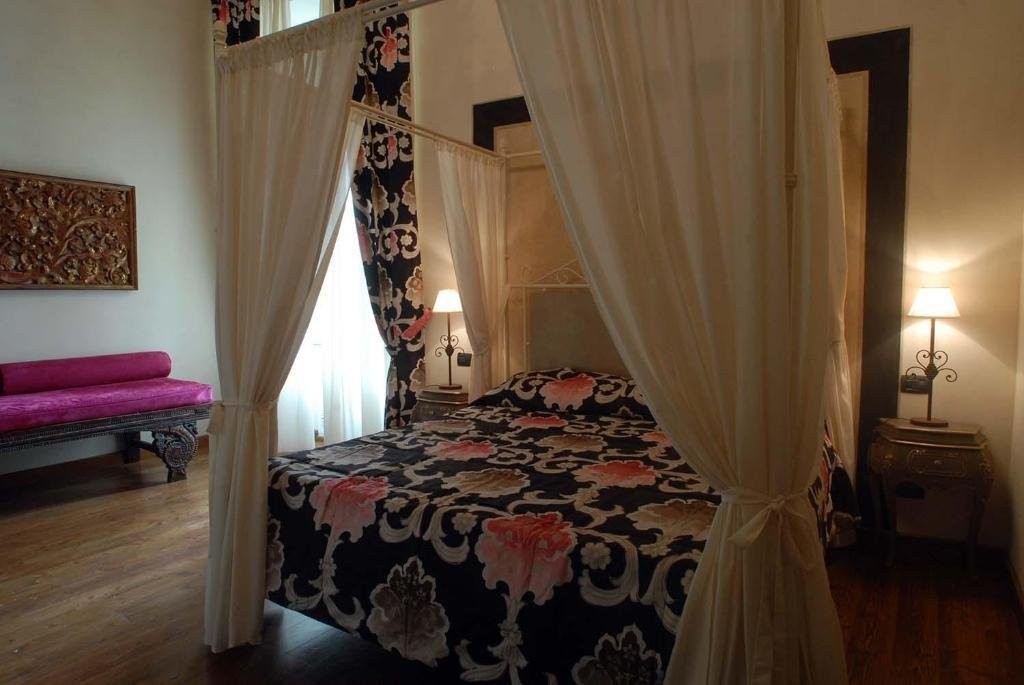
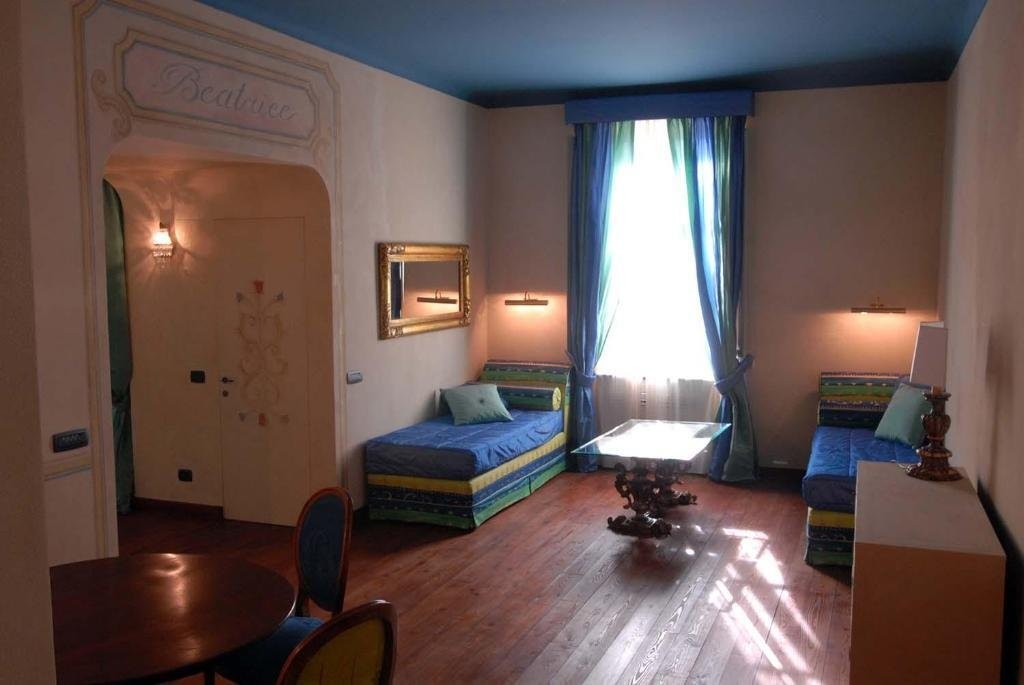
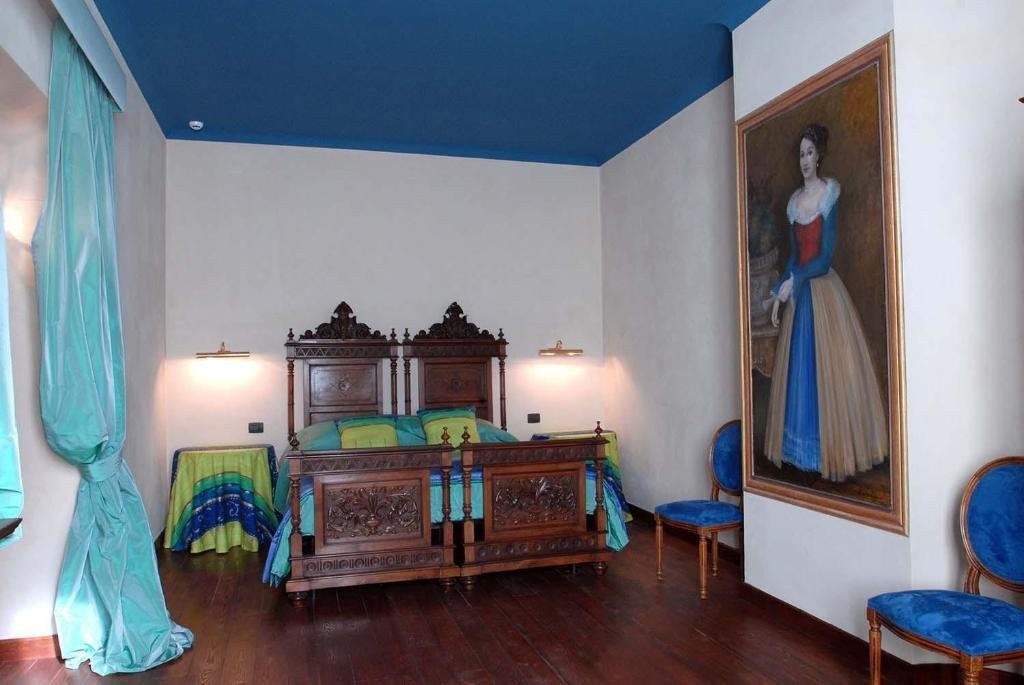
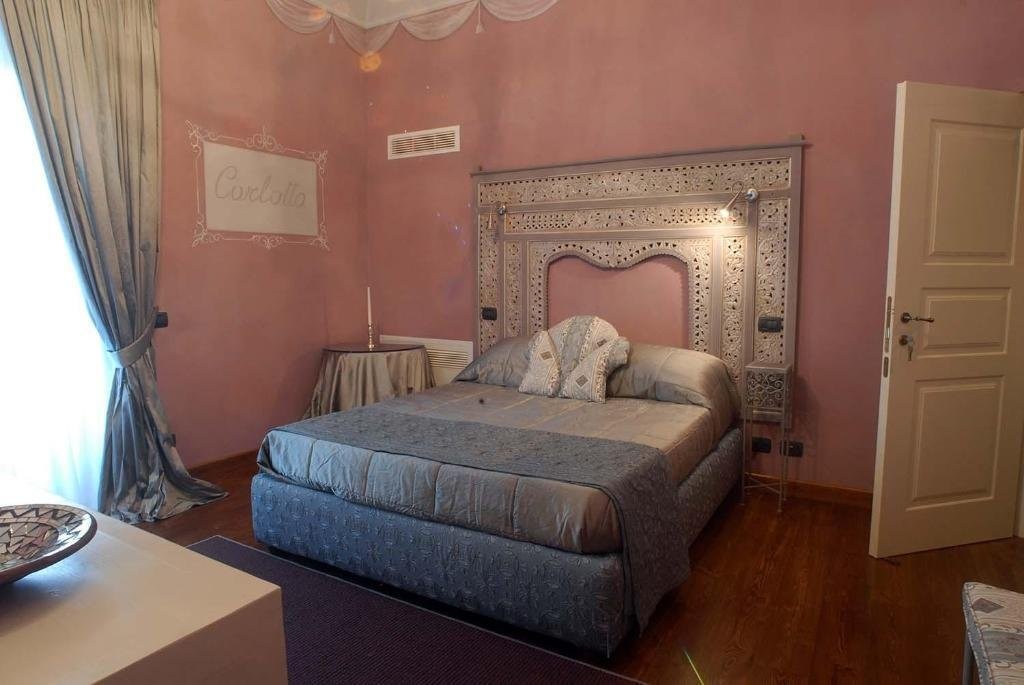
- 14 suites, each with private bath
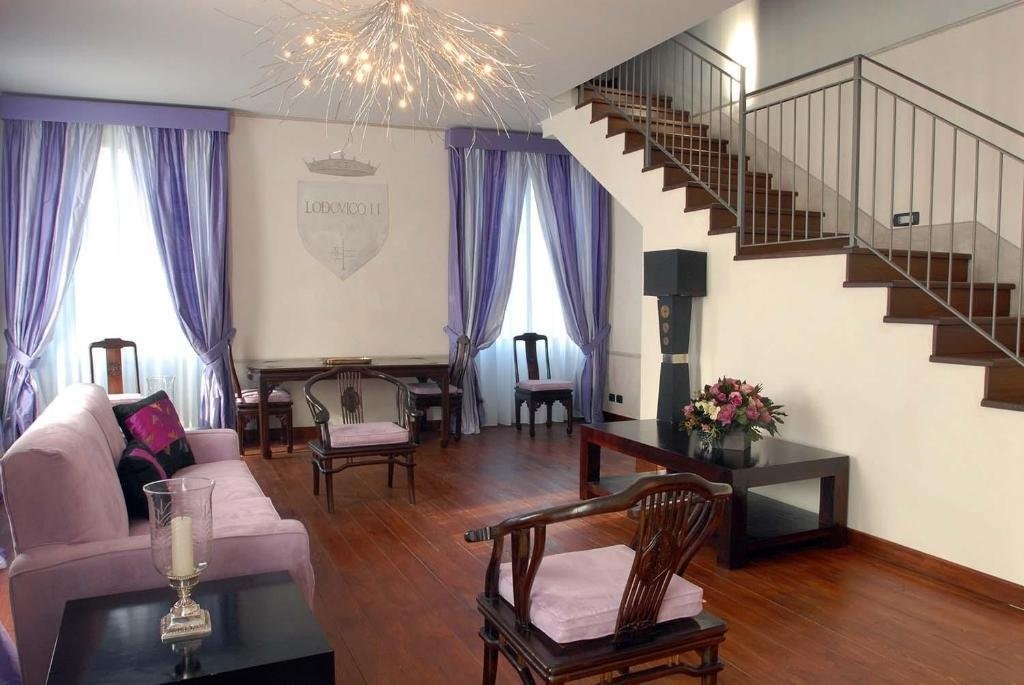
- Several suites include separate sitting areas; some are arranged across multiple levels
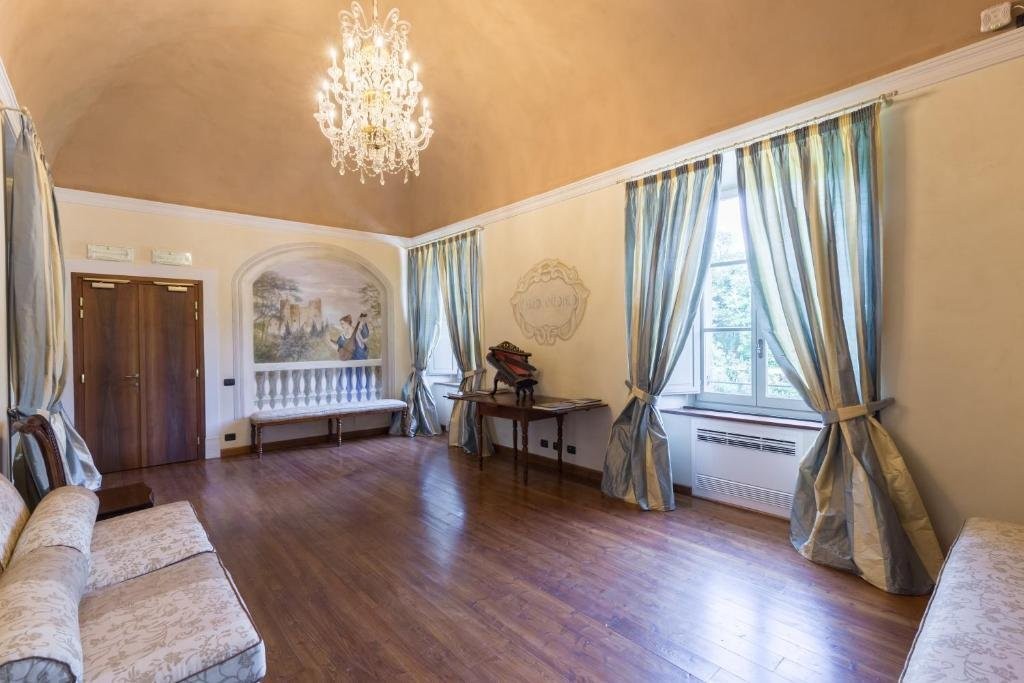
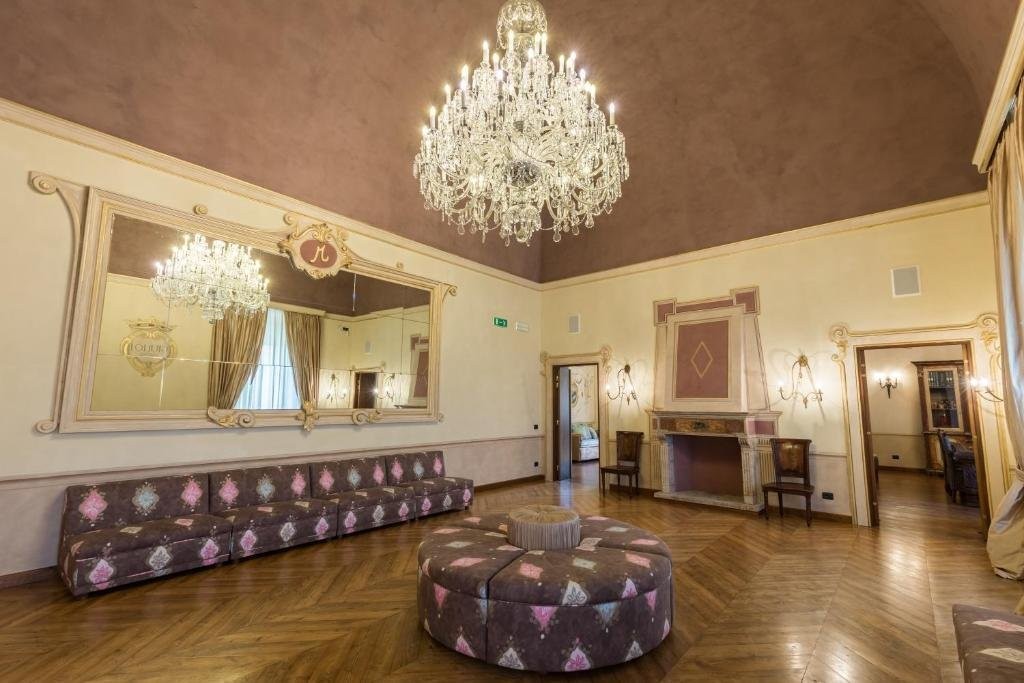
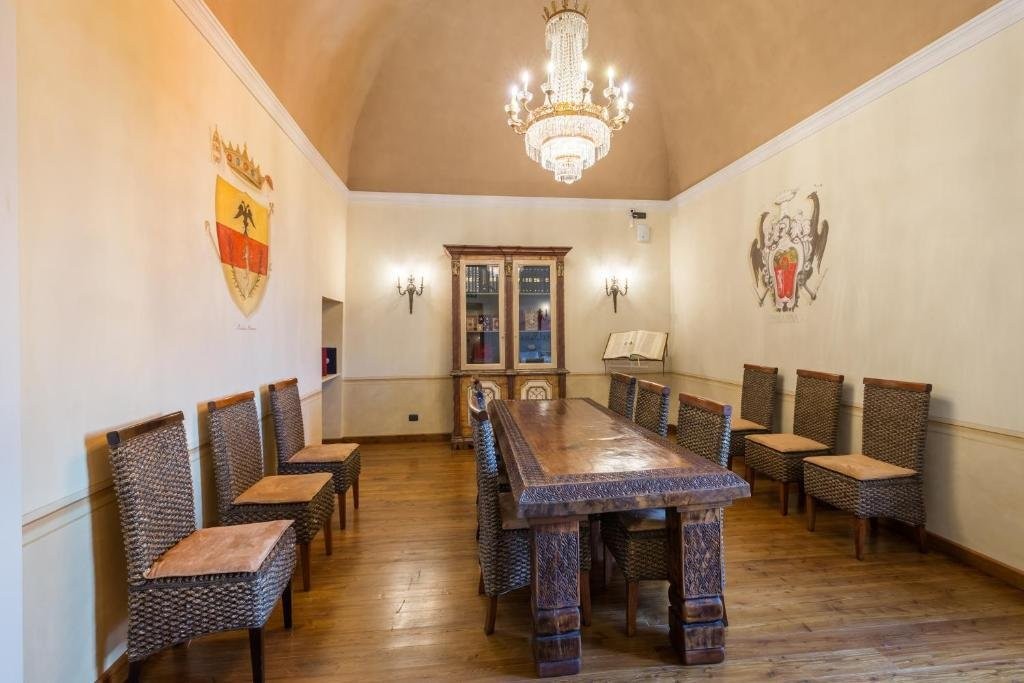
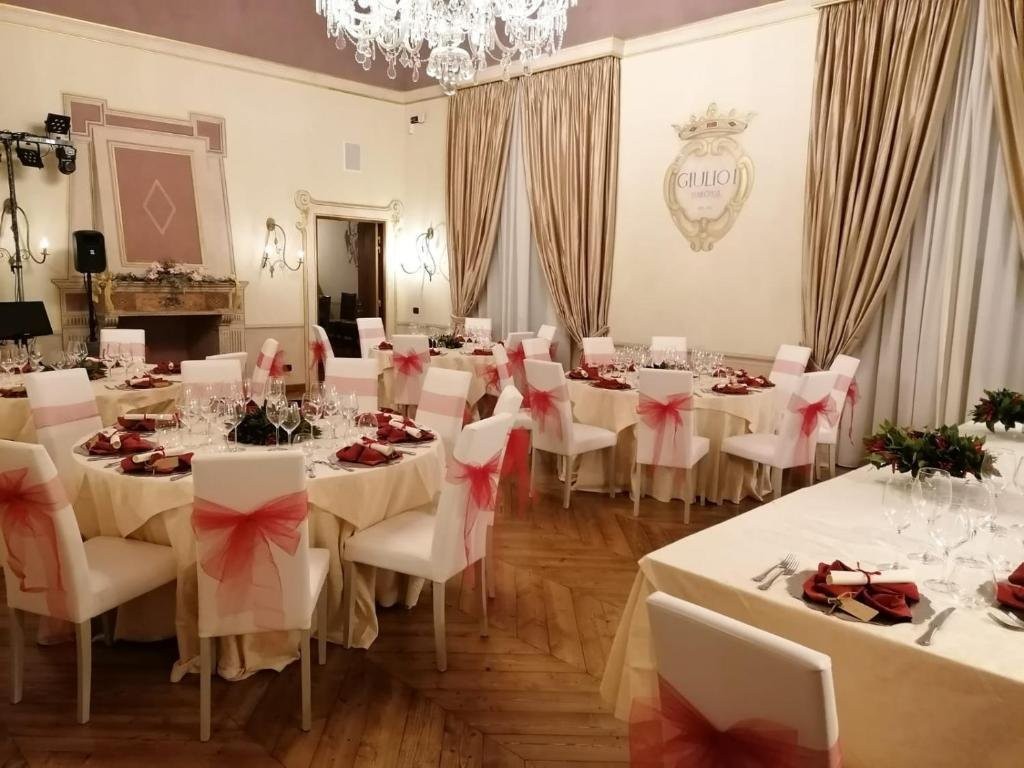
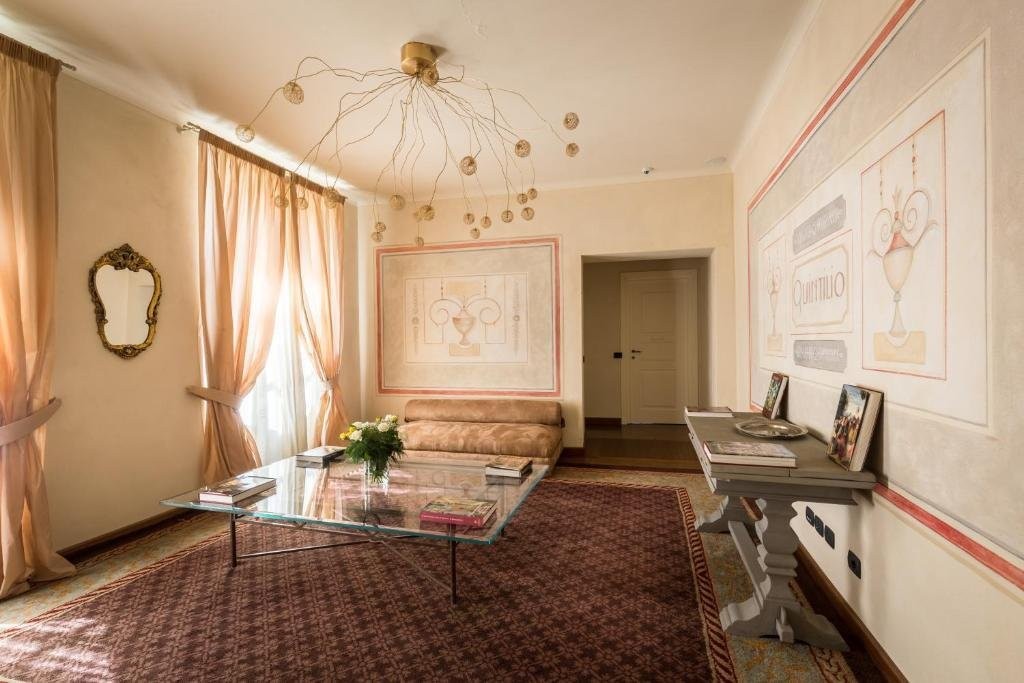
- Reception rooms for private events, corporate meetings and celebrations
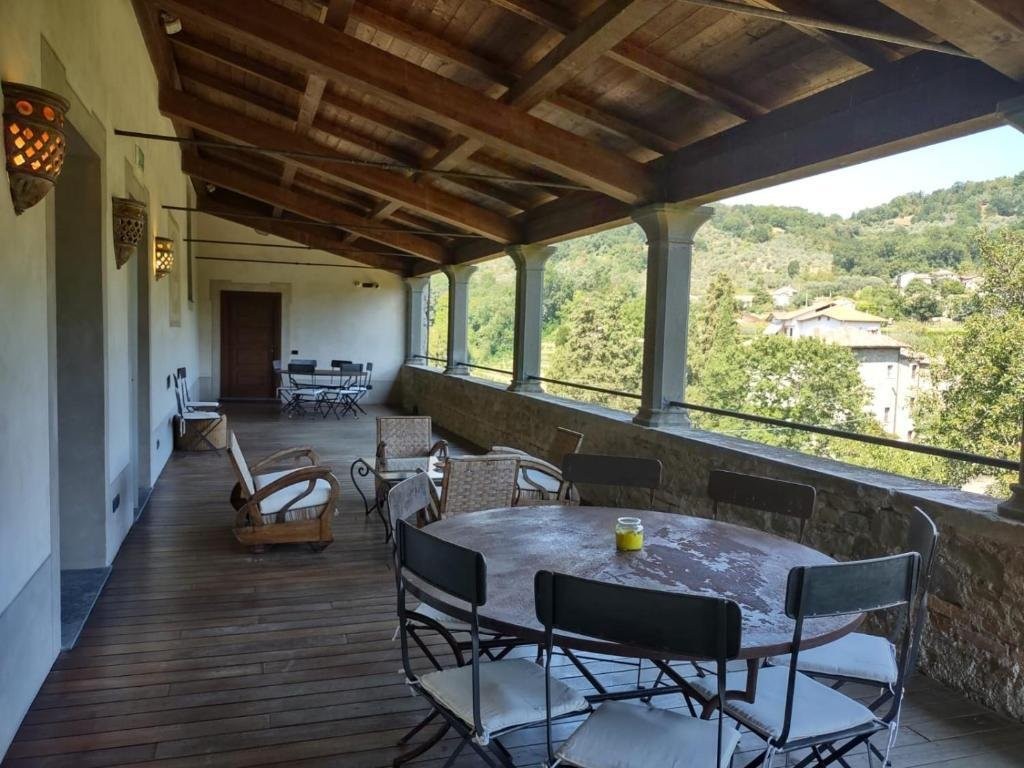
- Covered terrace with panoramic views of the Tuscan-Emilian Apennines
Location and Microclimate
The property sits elevated above the village with views across the surrounding landscape. Proximity to the Apennines provides natural shelter, while the nearby stream contributes to a favorable climate. Summer temperatures remain notably cooler than in surrounding cities.
Condition
Complete renovation began in the early 2000s. High-quality materials and carefully selected finishes combine local craftsmanship with contemporary design. The historical structure and character of the castle were preserved throughout.
Use Cases
Castello Licci operates as a turnkey luxury resort. The property also functions as:
- Boutique hotel
- Wedding and event venue
- Corporate retreat facility
- Private wellness residence
Lunigiana, Northern Tuscany
The Lunigiana region is known for wooded hills, regional cuisine and proximity to the marble quarries of Carrara and the coast. With over 20 castles, the area offers a network of historical properties and is developing as a destination for culture-focused luxury hospitality.