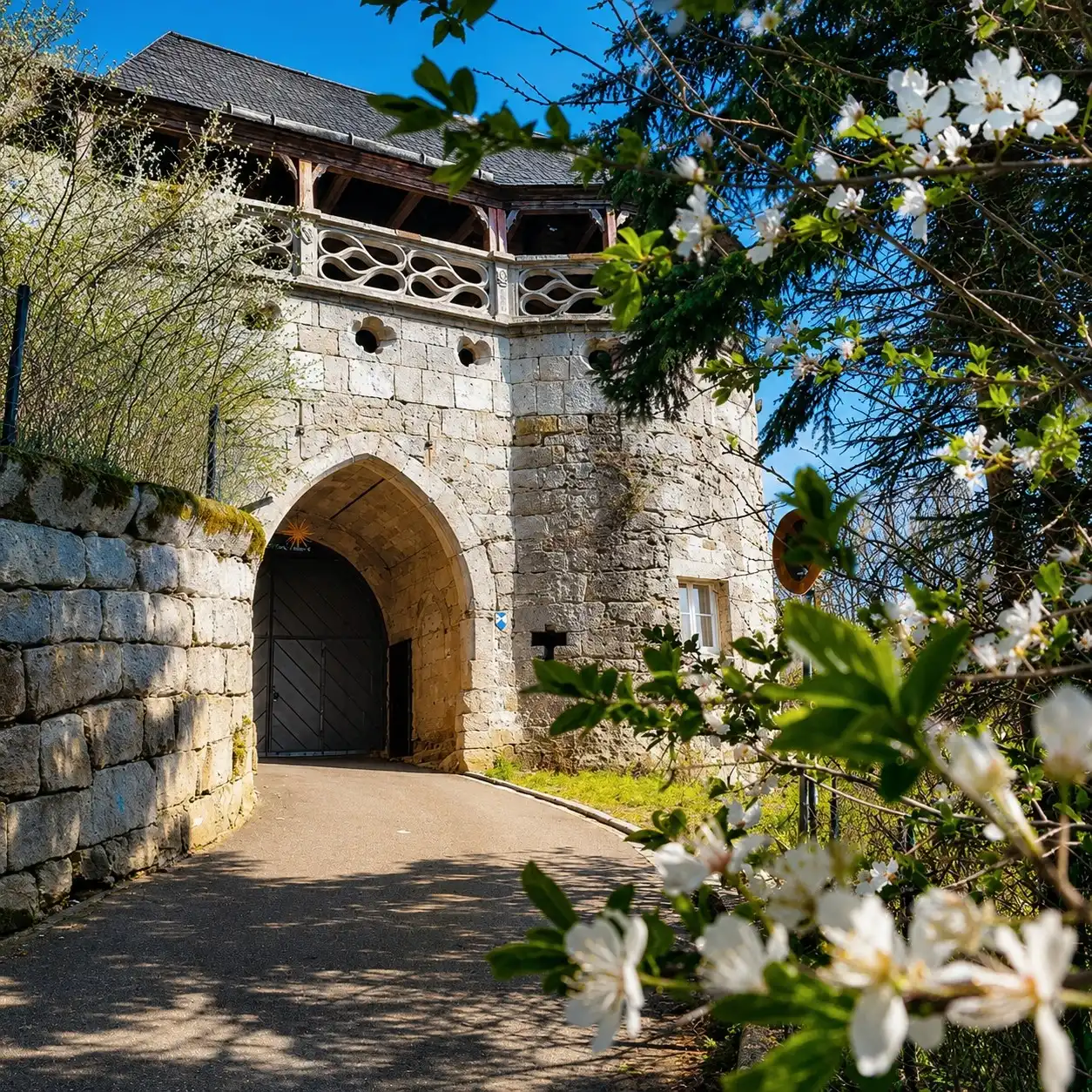
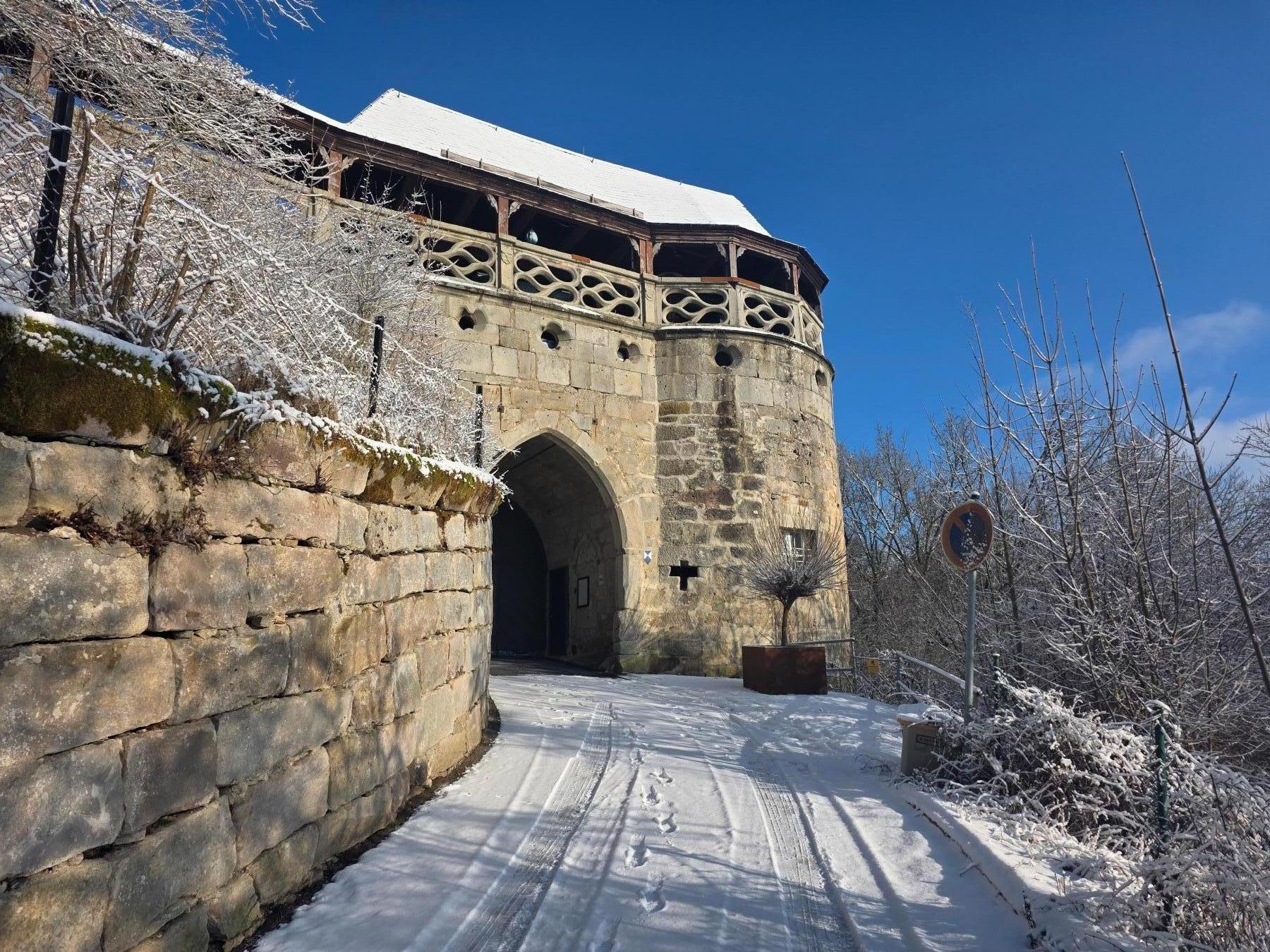
A medieval castle was traditionally defined by three characteristics: impregnability, self-sufficient provisioning during a siege, and generously proportioned living quarters.
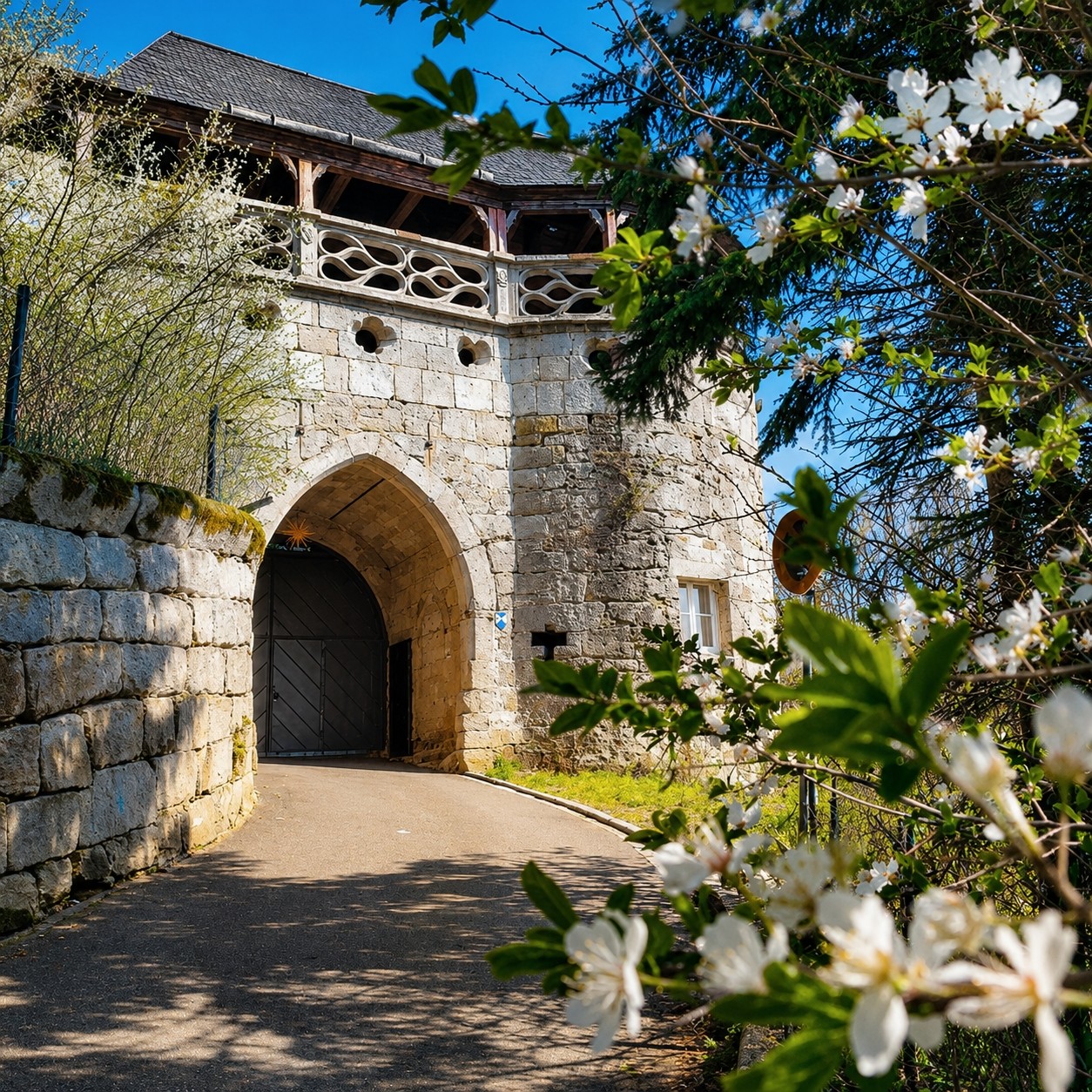
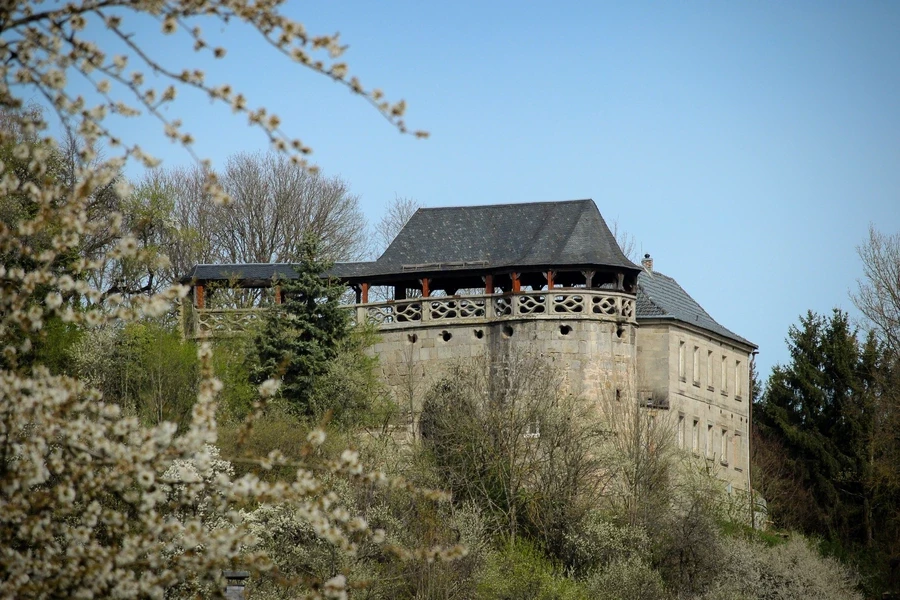
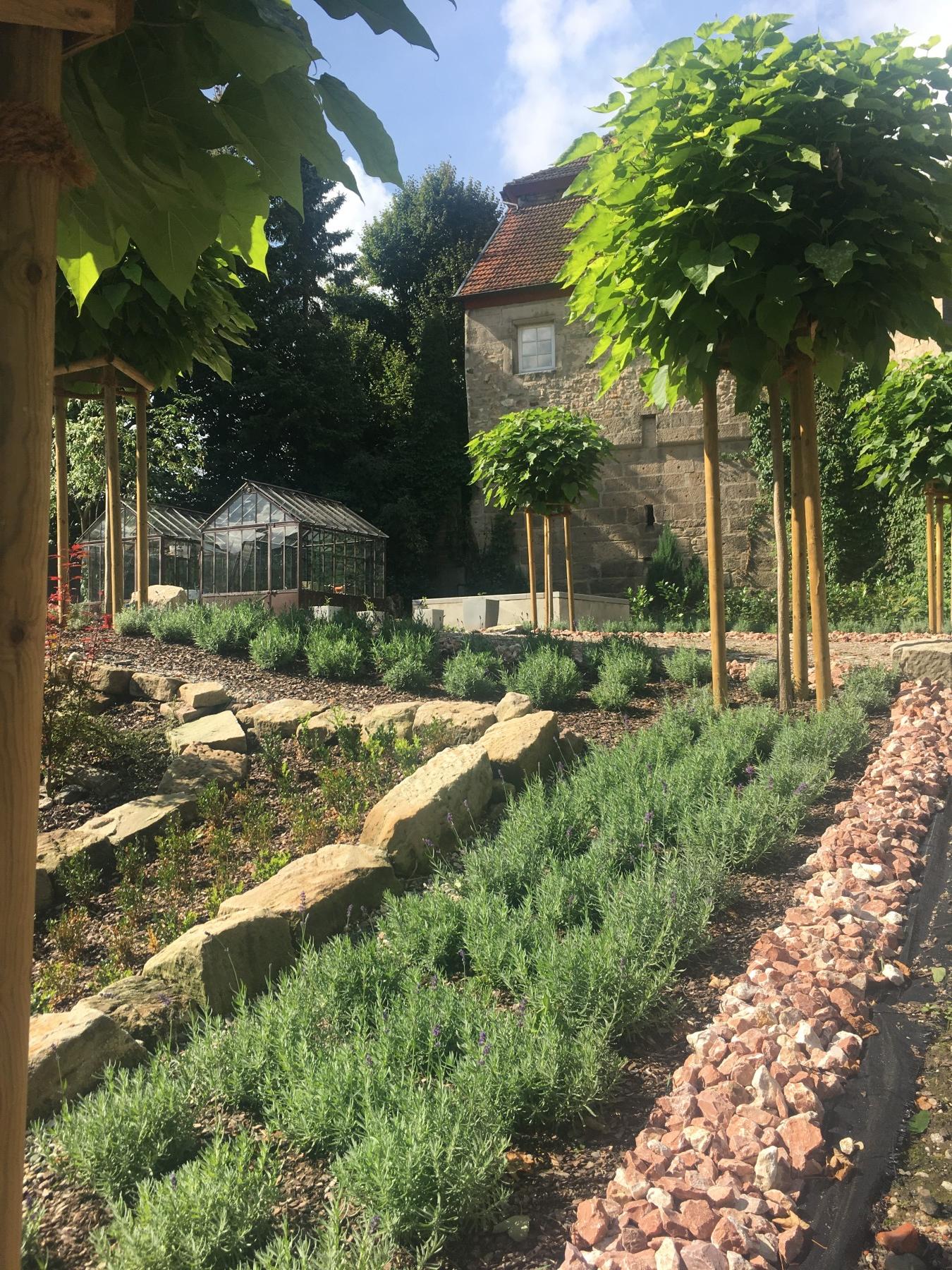
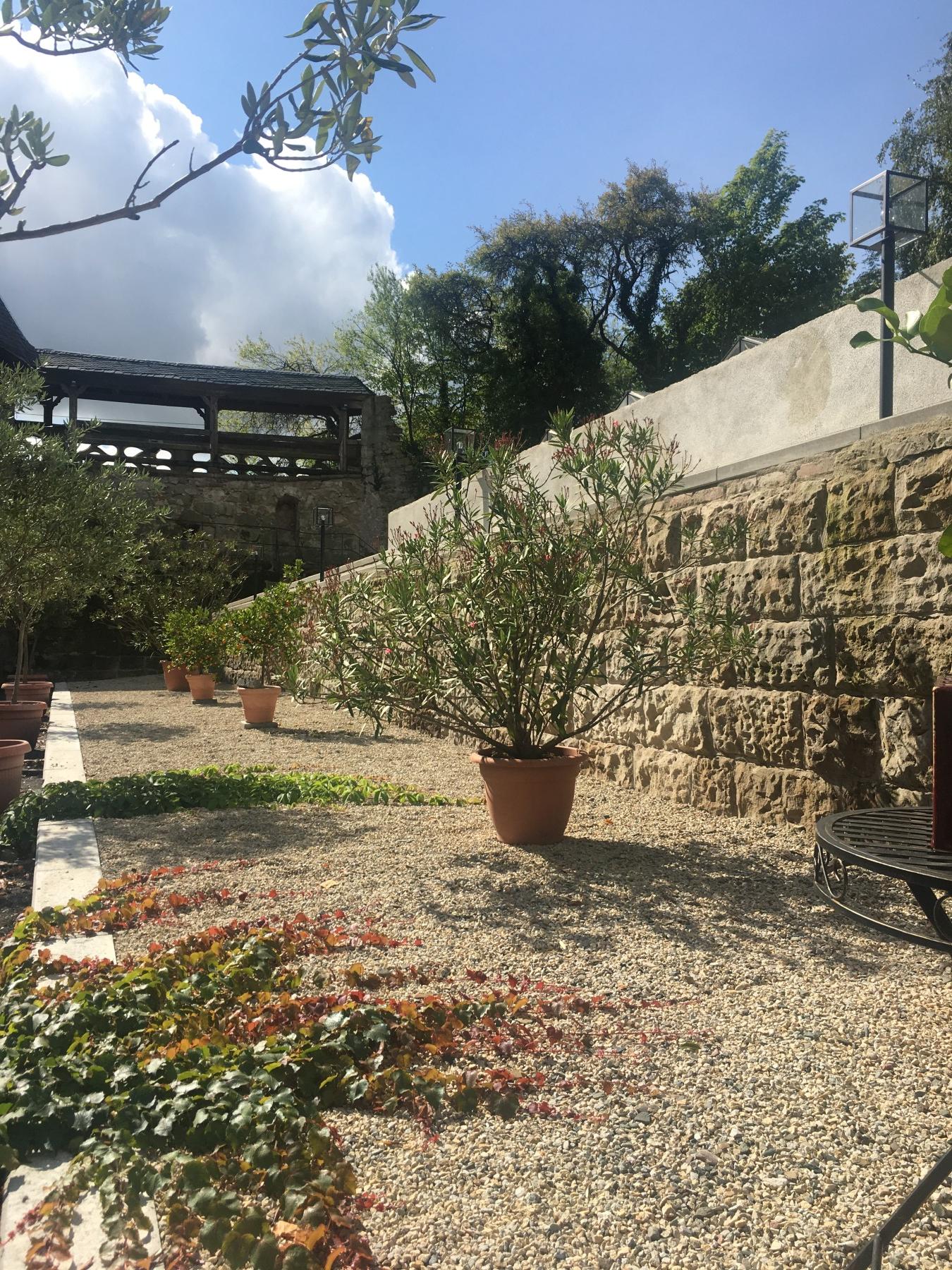
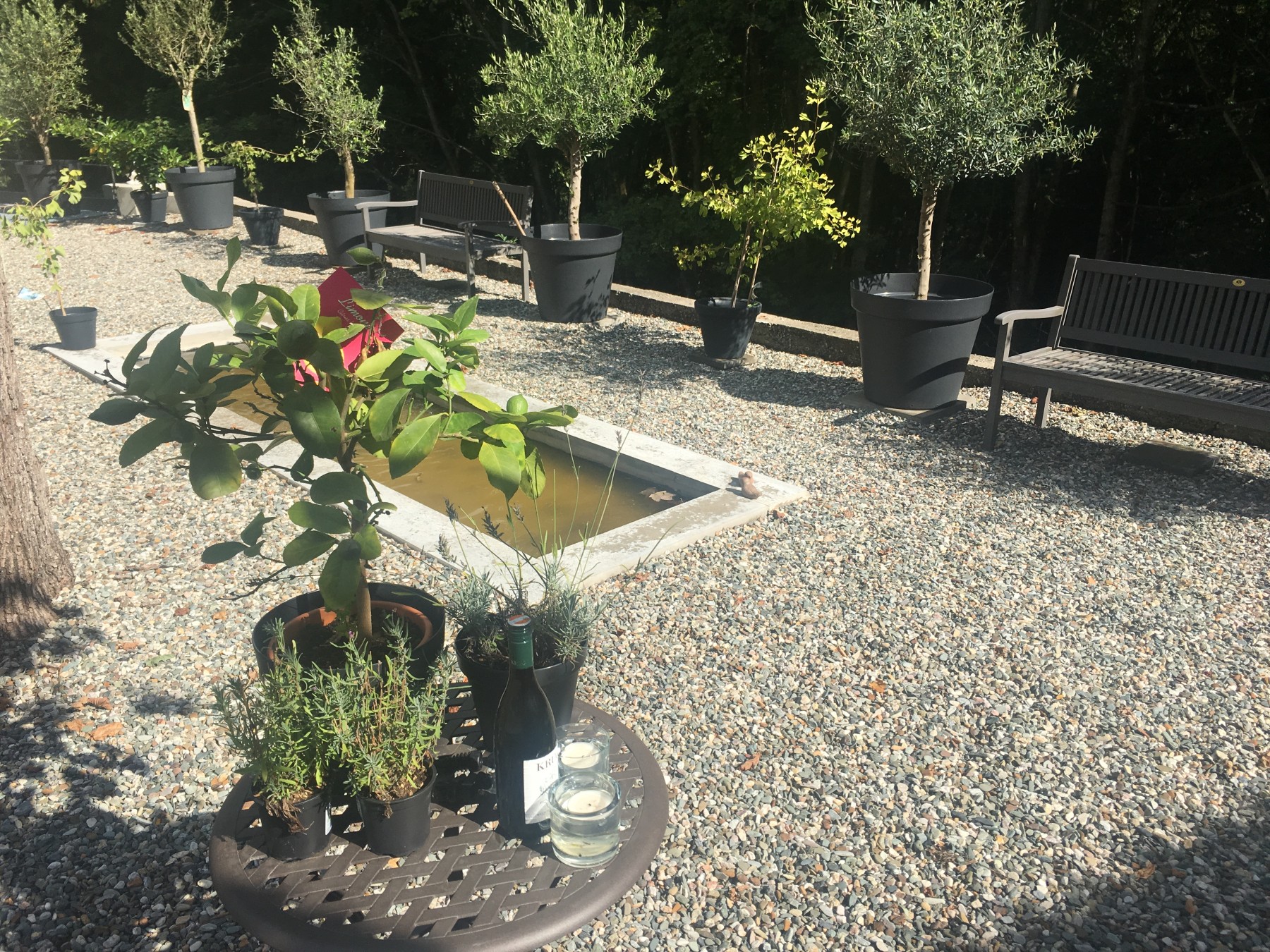
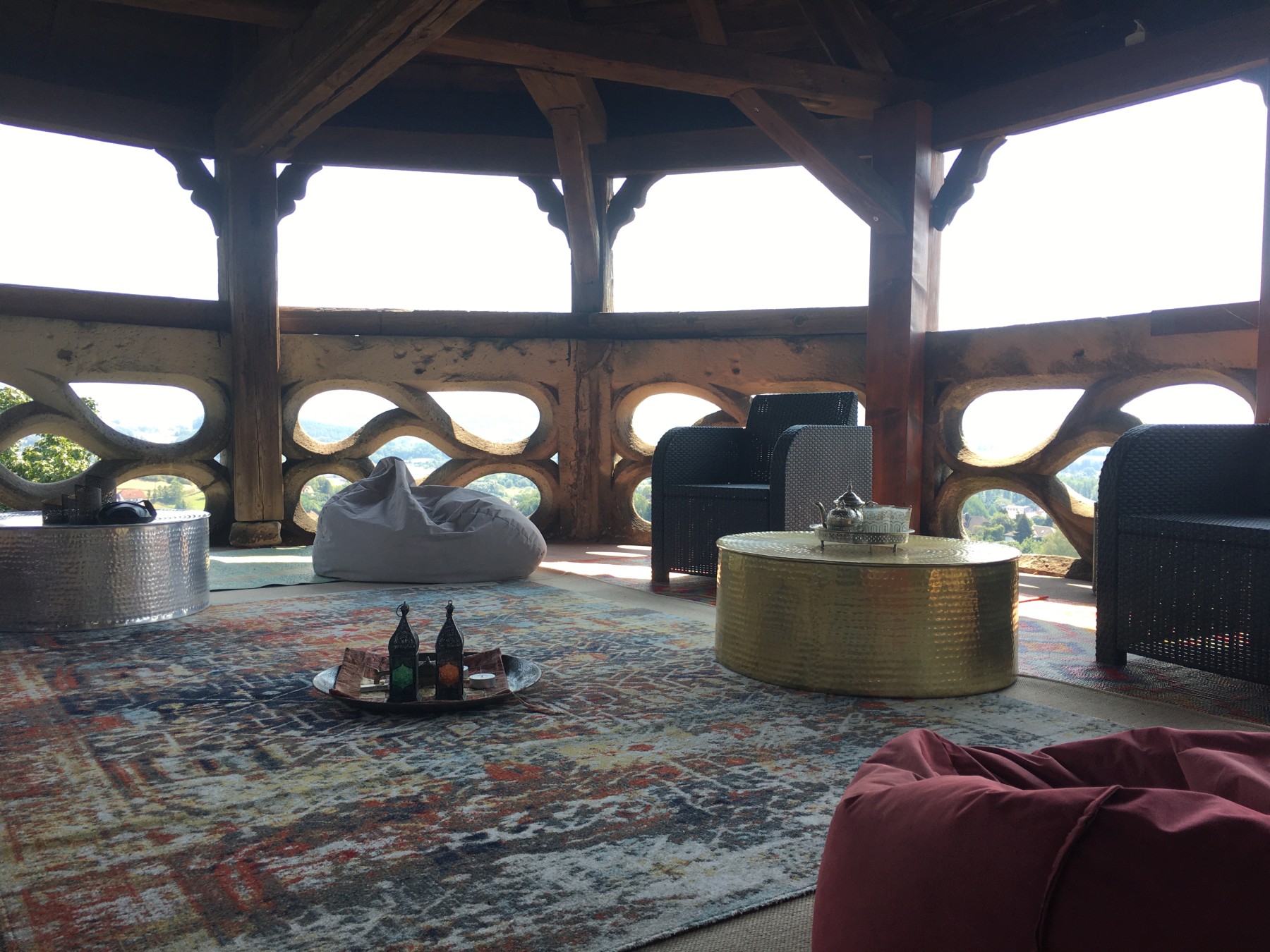
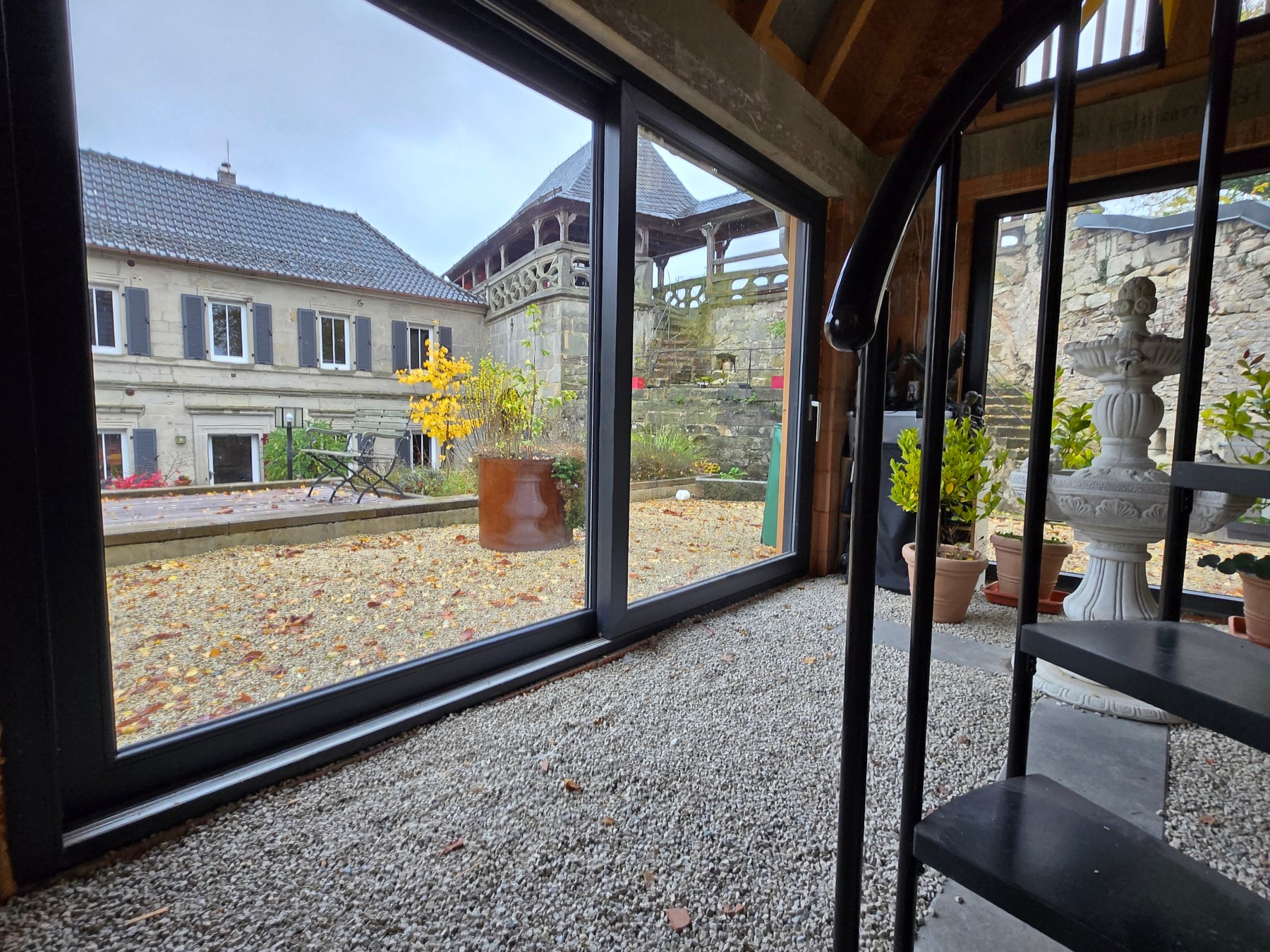
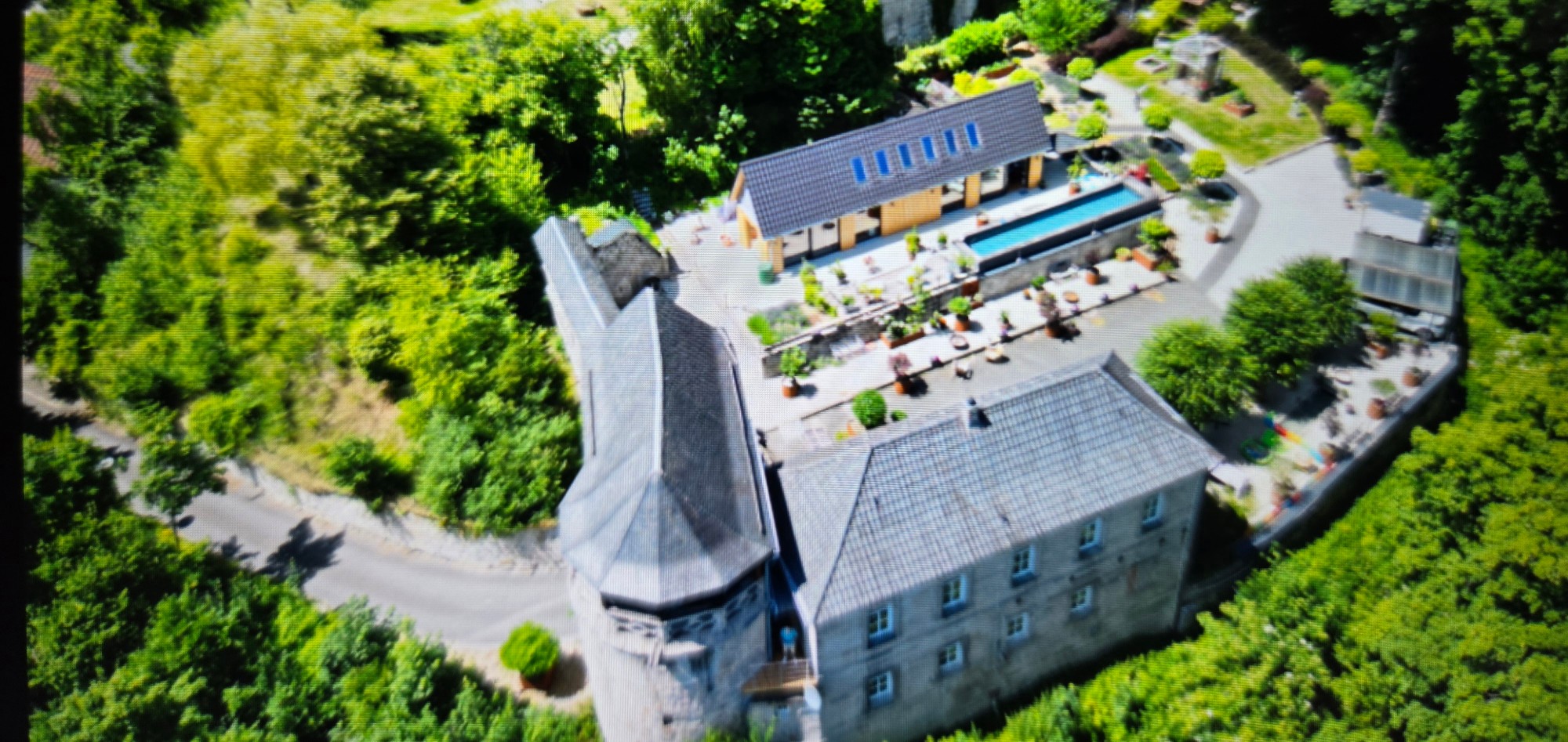
The castle is located in Upper Franconia, between Coburg, Bayreuth, and Bamberg, close to several UNESCO World Heritage sites. Its hilltop position and surrounding fortified wall provide a secluded, protected setting. The property's original defensive and self-sufficient character has been preserved and extended with contemporary additions, including a heated pool, an orangery, and cultivated farmland.
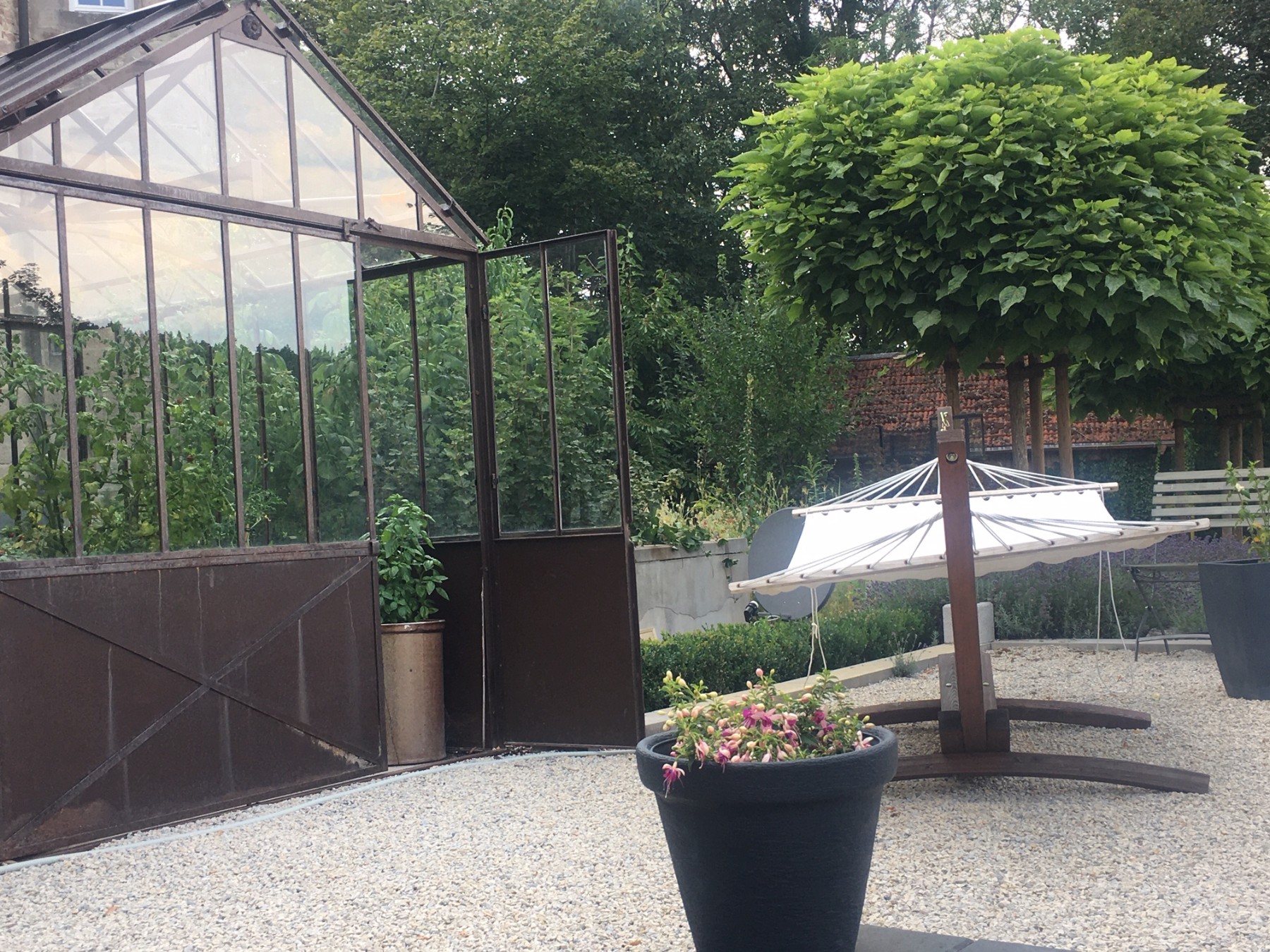
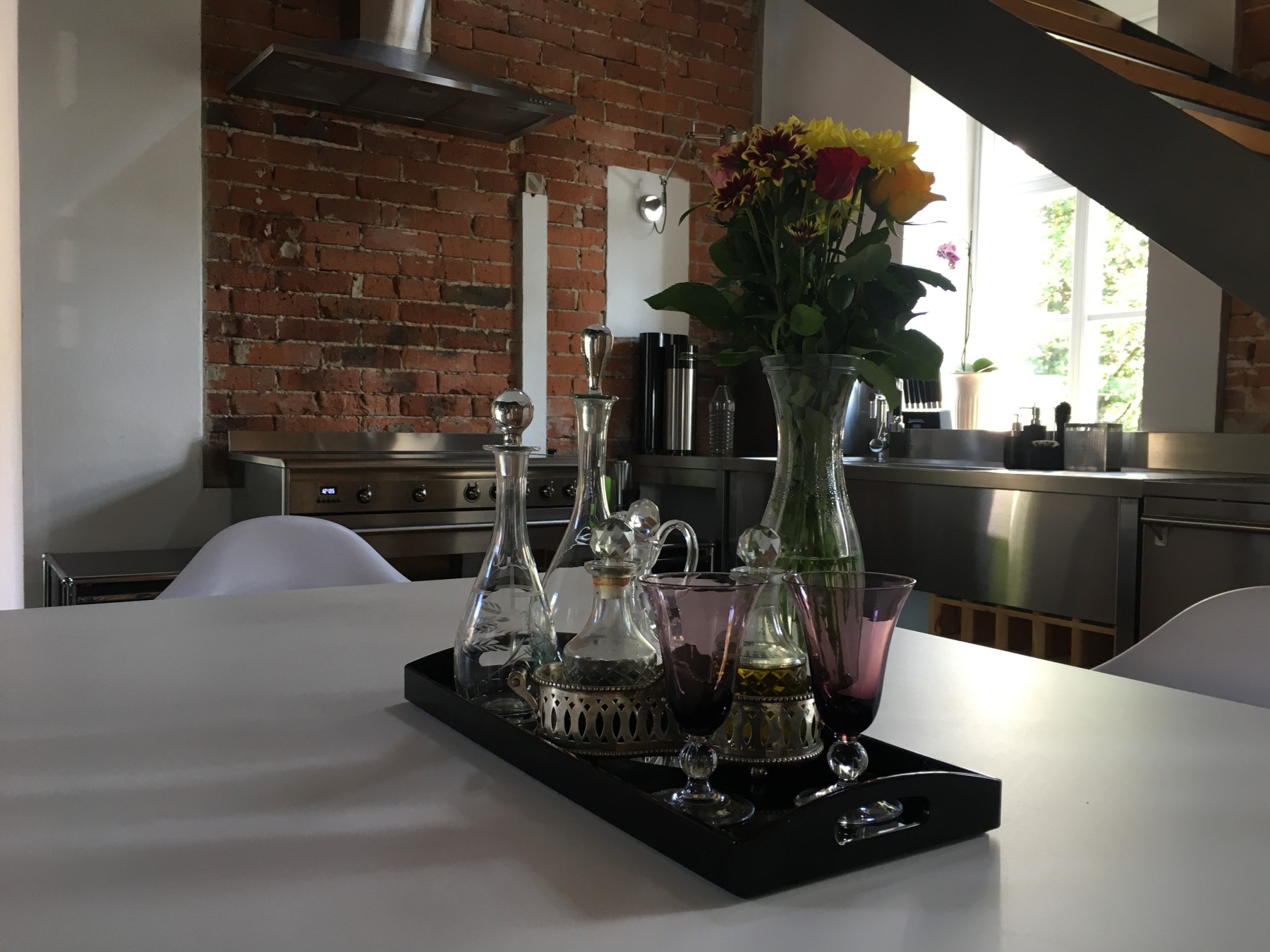
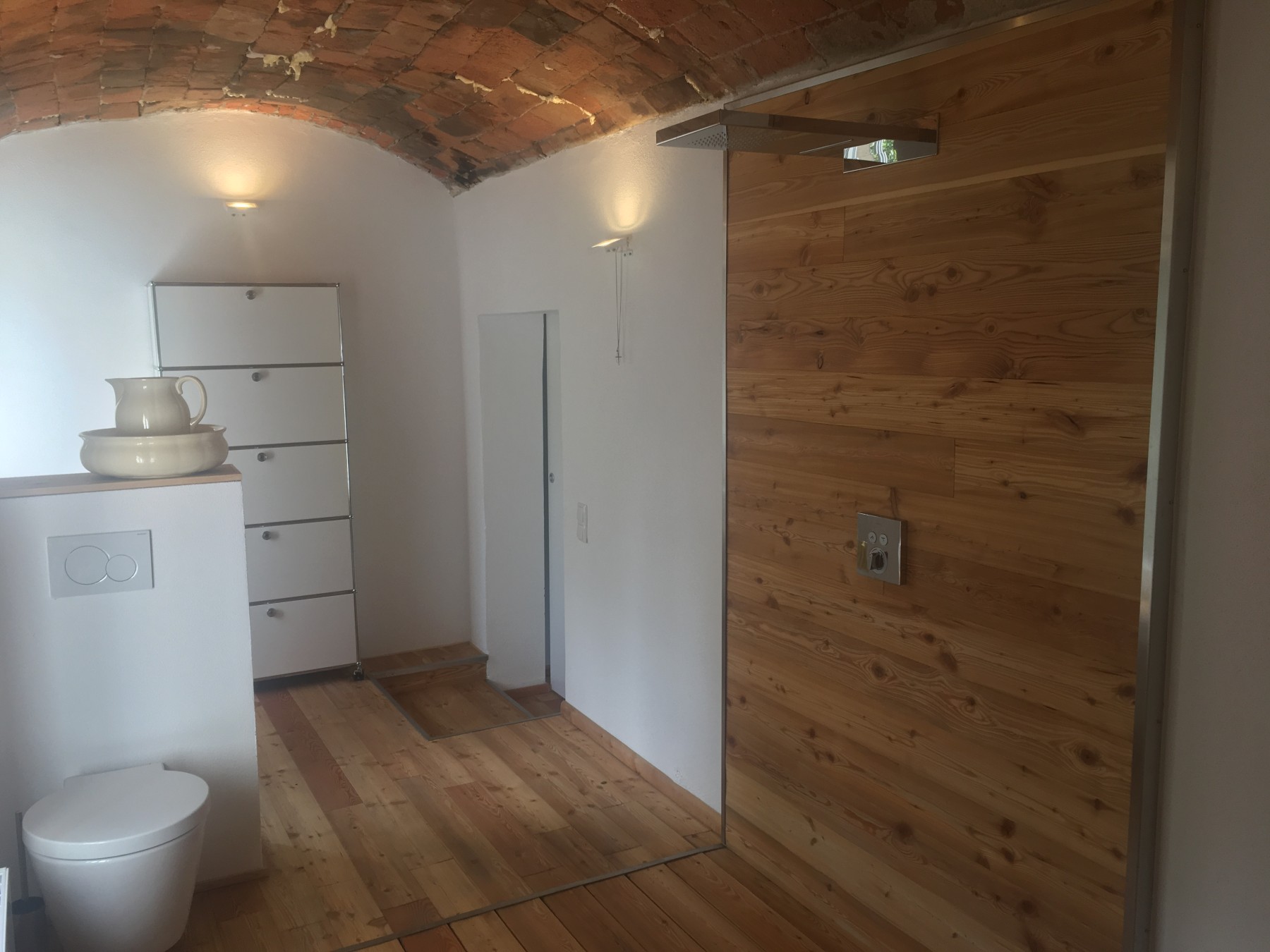
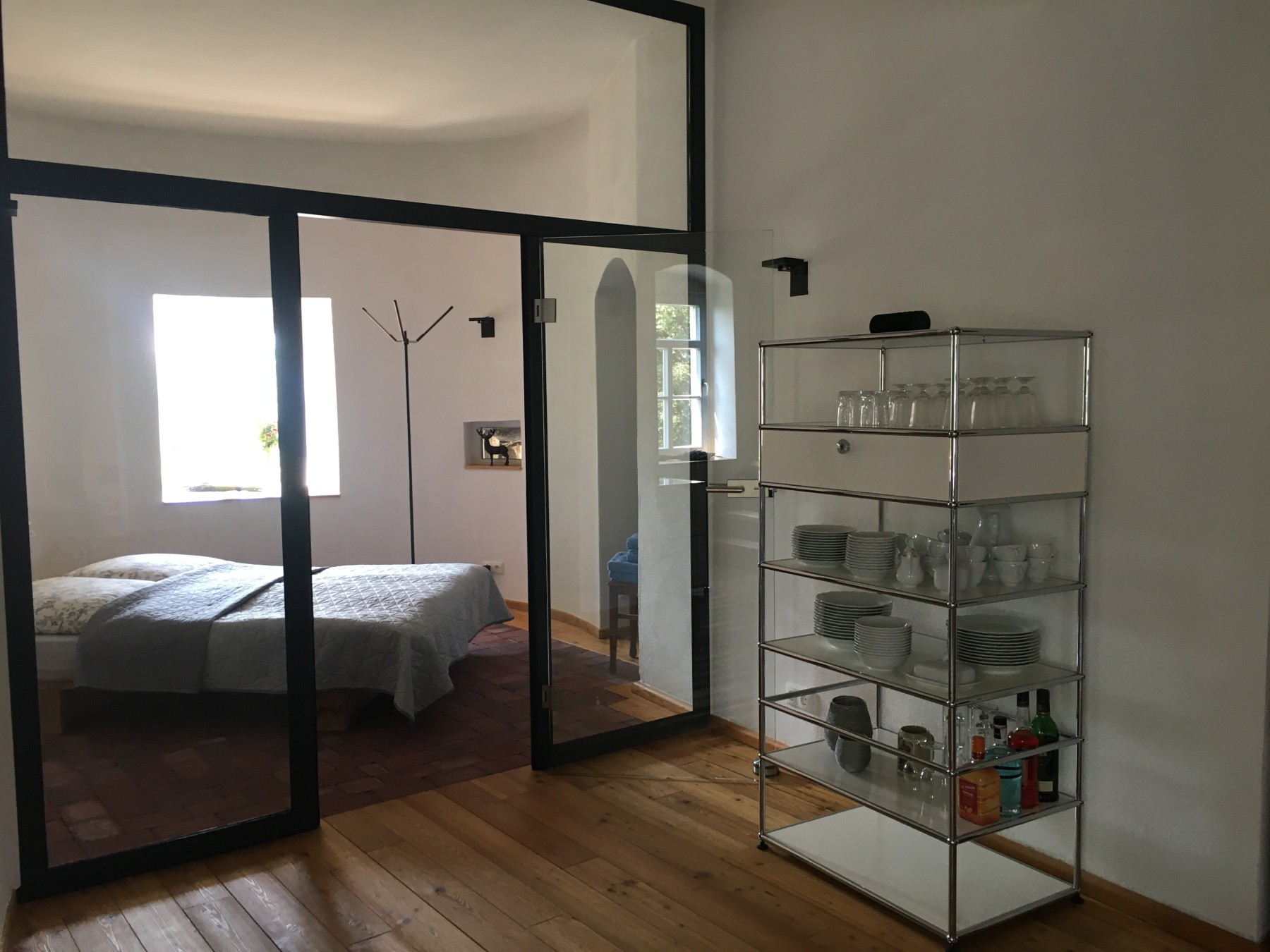
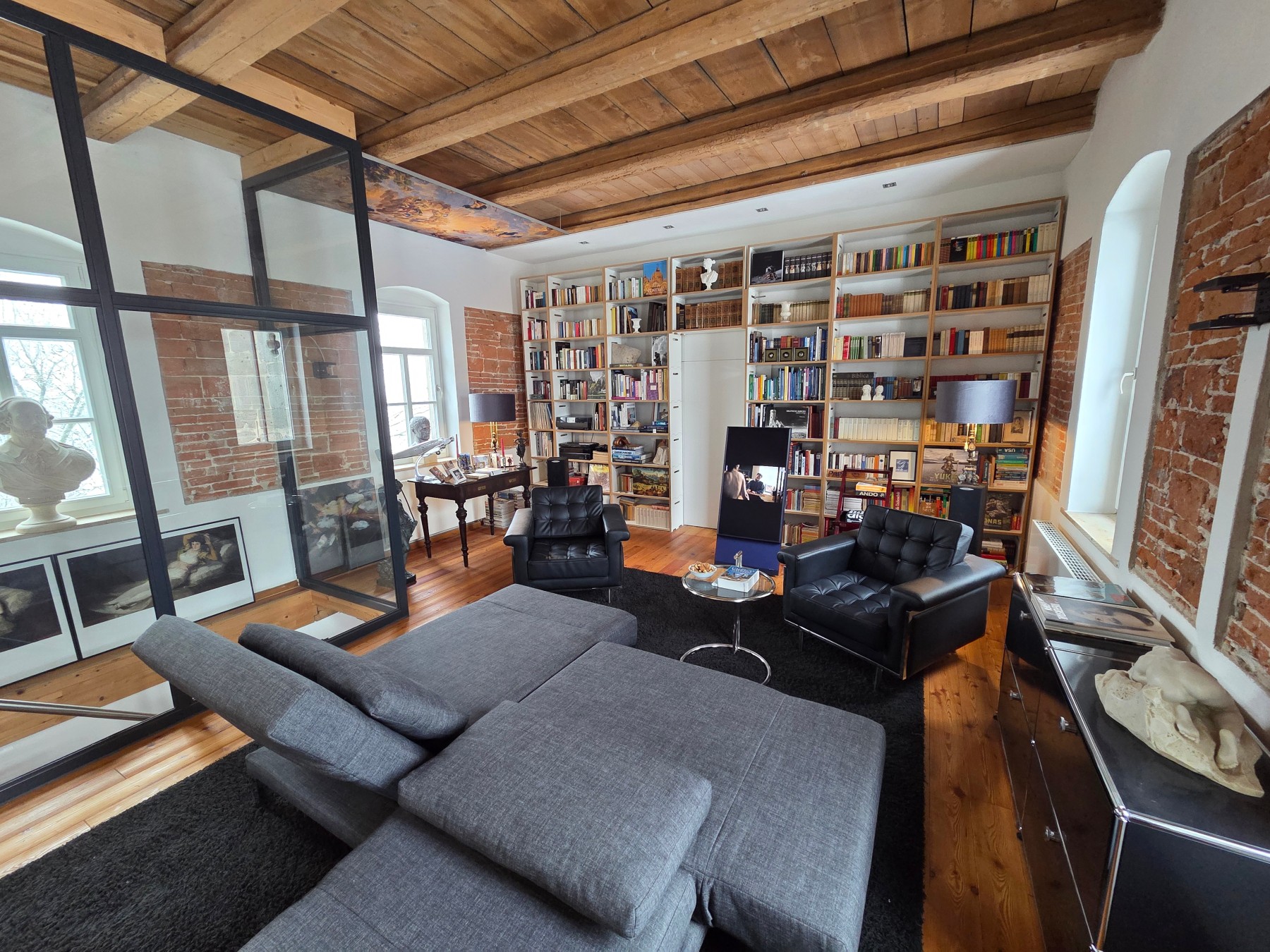
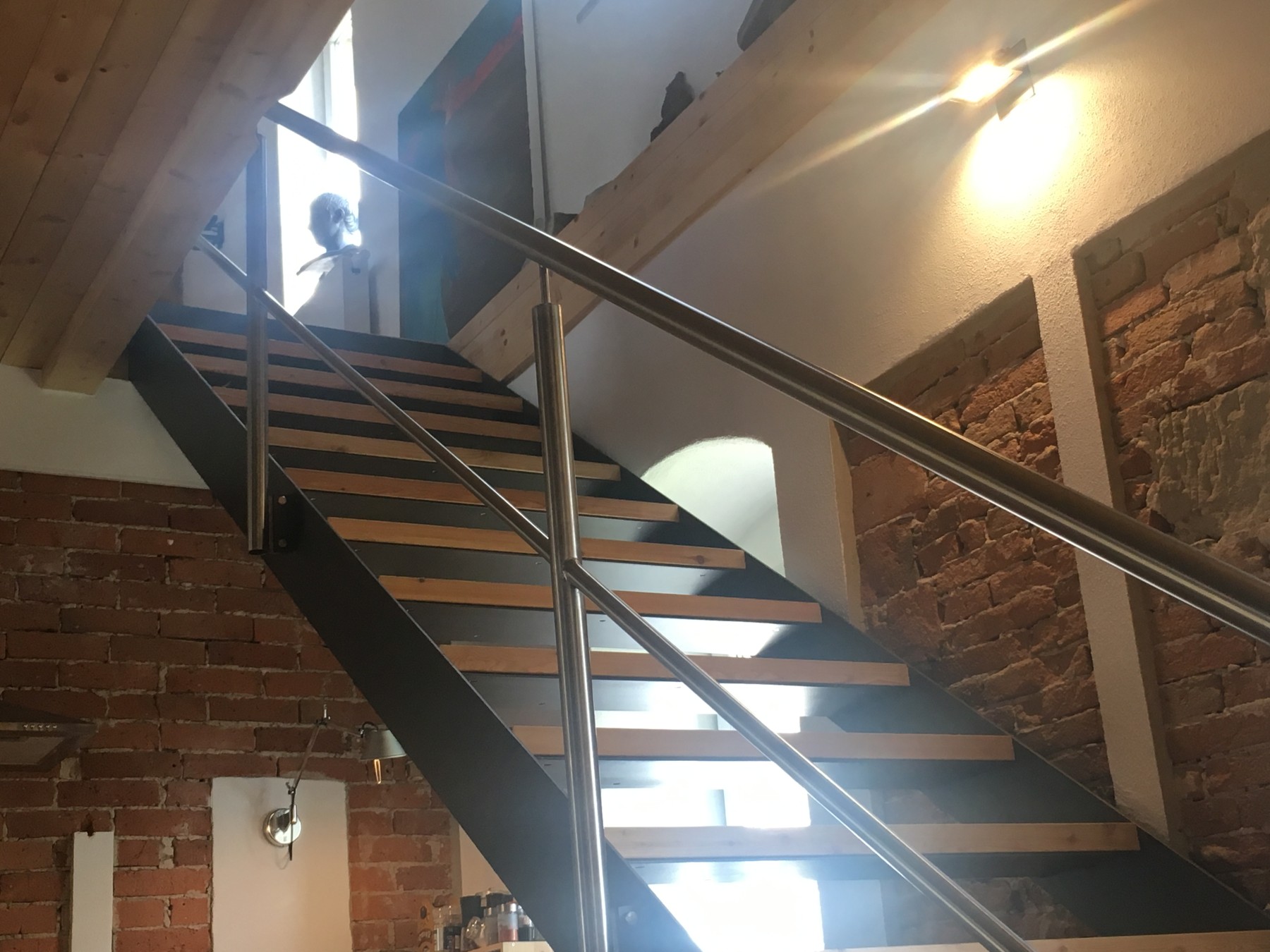
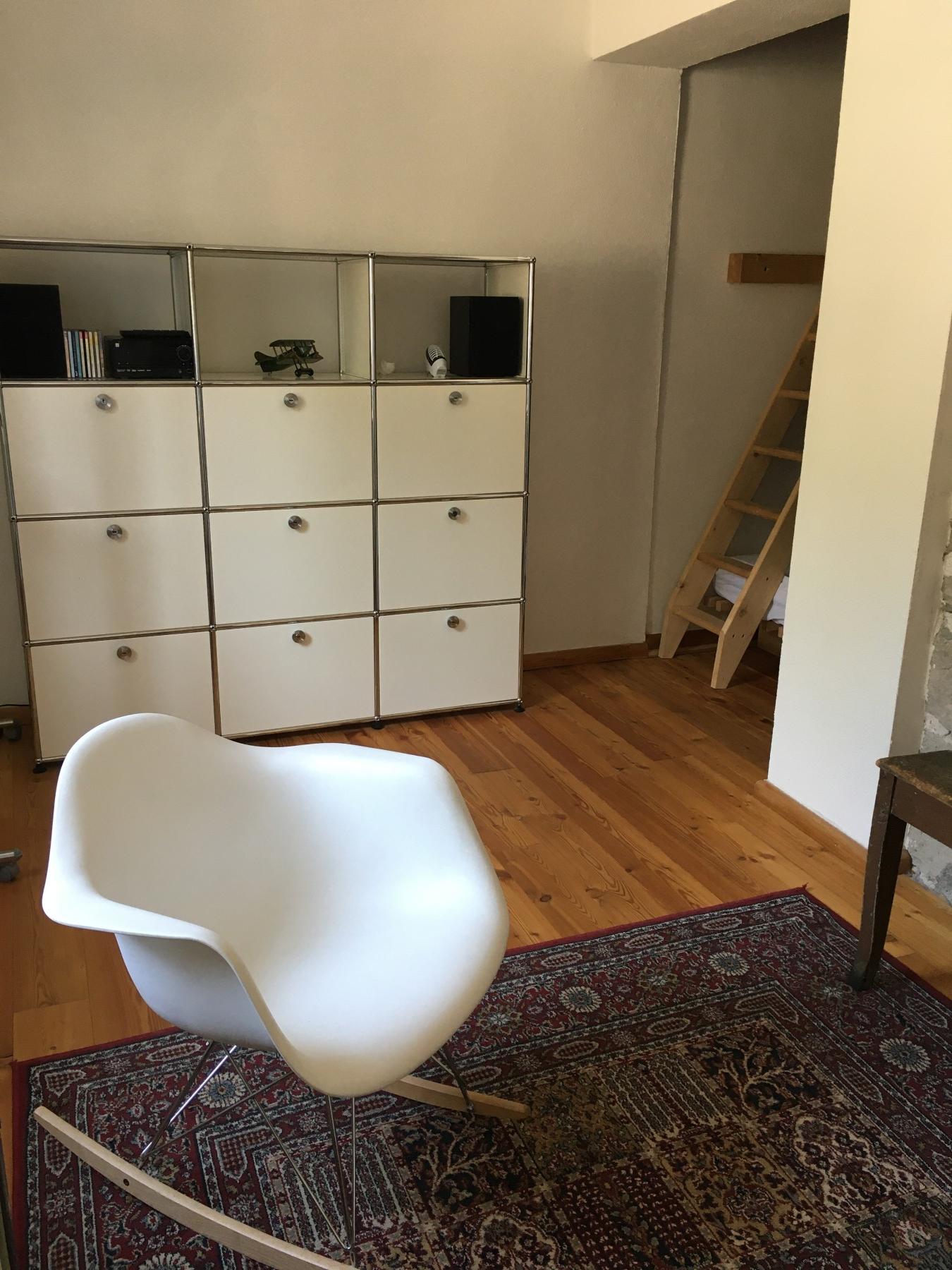
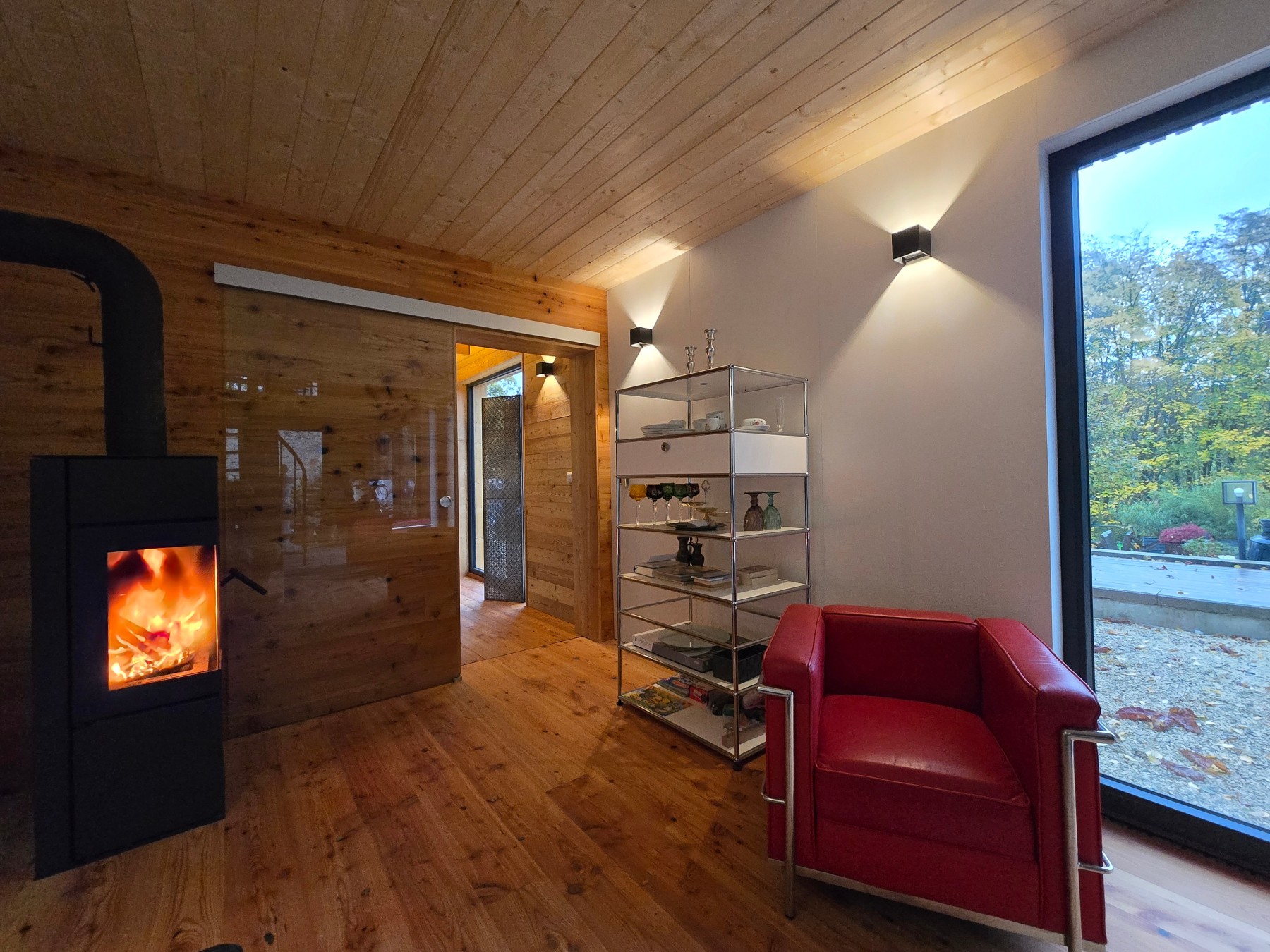
The main house has been comprehensively renovated. The original architectural style was retained and complemented with glass and steel elements. The main house offers approximately 300 sqm of living space. The orangery contains a separate living unit of approximately 70 sqm, comprising a spa and pool area along with a living and sleeping space; it is currently used for vacation rentals (annual revenue approx. €25,000).
Two cisterns store drinking water (20,000 l) and rainwater (4,000 l); the property also has a fuel storage capacity of 2,000 l. Heating is provided by wood and LNG; LNG heating costs (including hot water) run approximately €2,000 per year, with electricity costs of approximately €1,200 per year. Firewood is sourced from the estate's own forest. The grounds are used to grow potatoes, various vegetables, and fruit; fallow deer keeping and hunting are possible on the property. A secret passage can be used as a shelter. A wine cellar and a separate beer cellar offer ample storage capacity.
Historically, the castle served as a residence for Wallenstein during the Thirty Years' War. According to local tradition, buried treasure is also said to remain on the grounds.