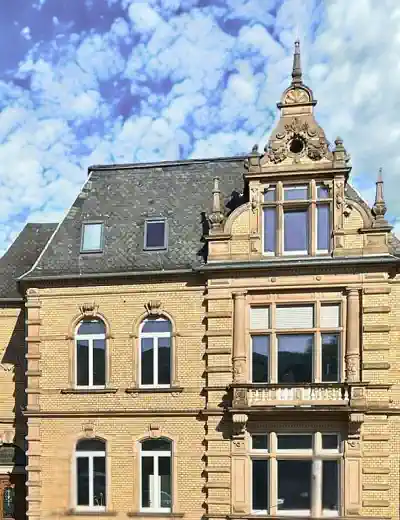
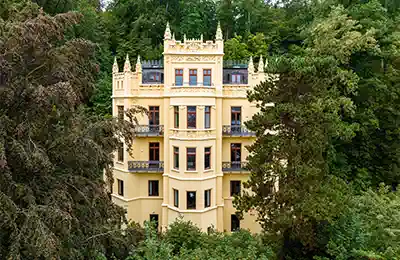
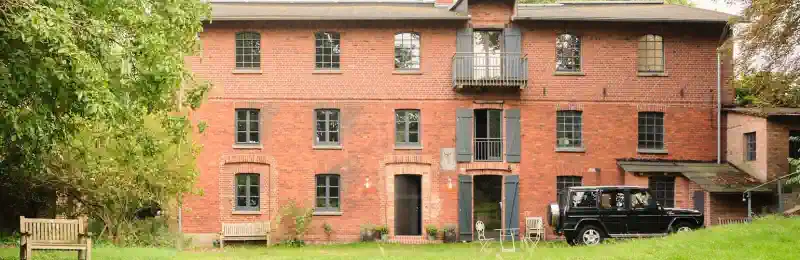
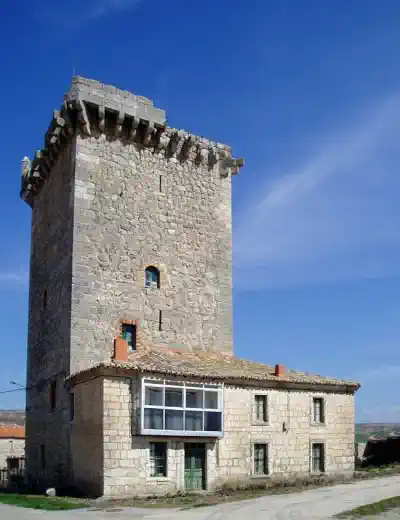
The European historic property market is rich and varied.
Established regions with clear pricing sit alongside overlooked
areas brimming with potential, offering a landscape that rewards
careful exploration.
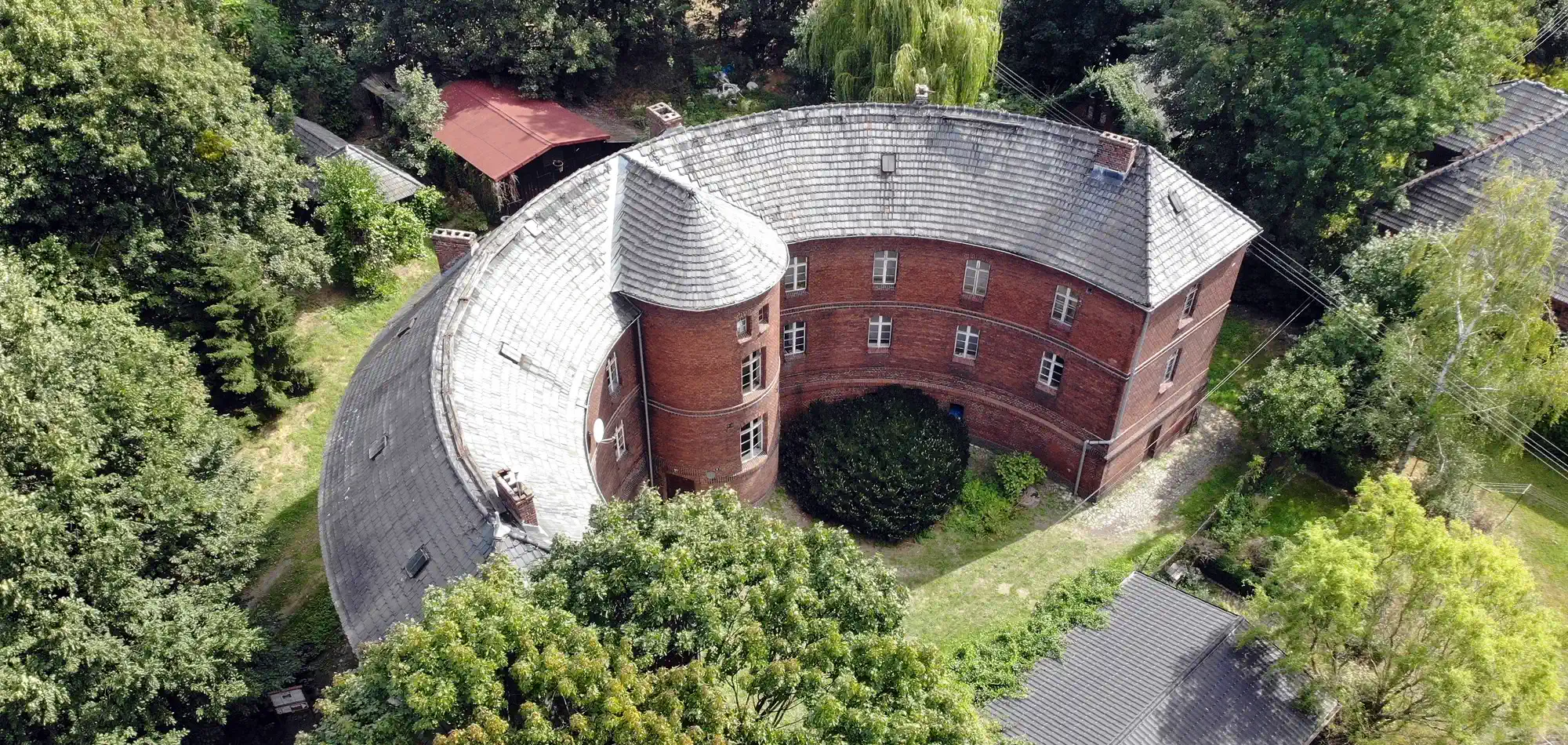
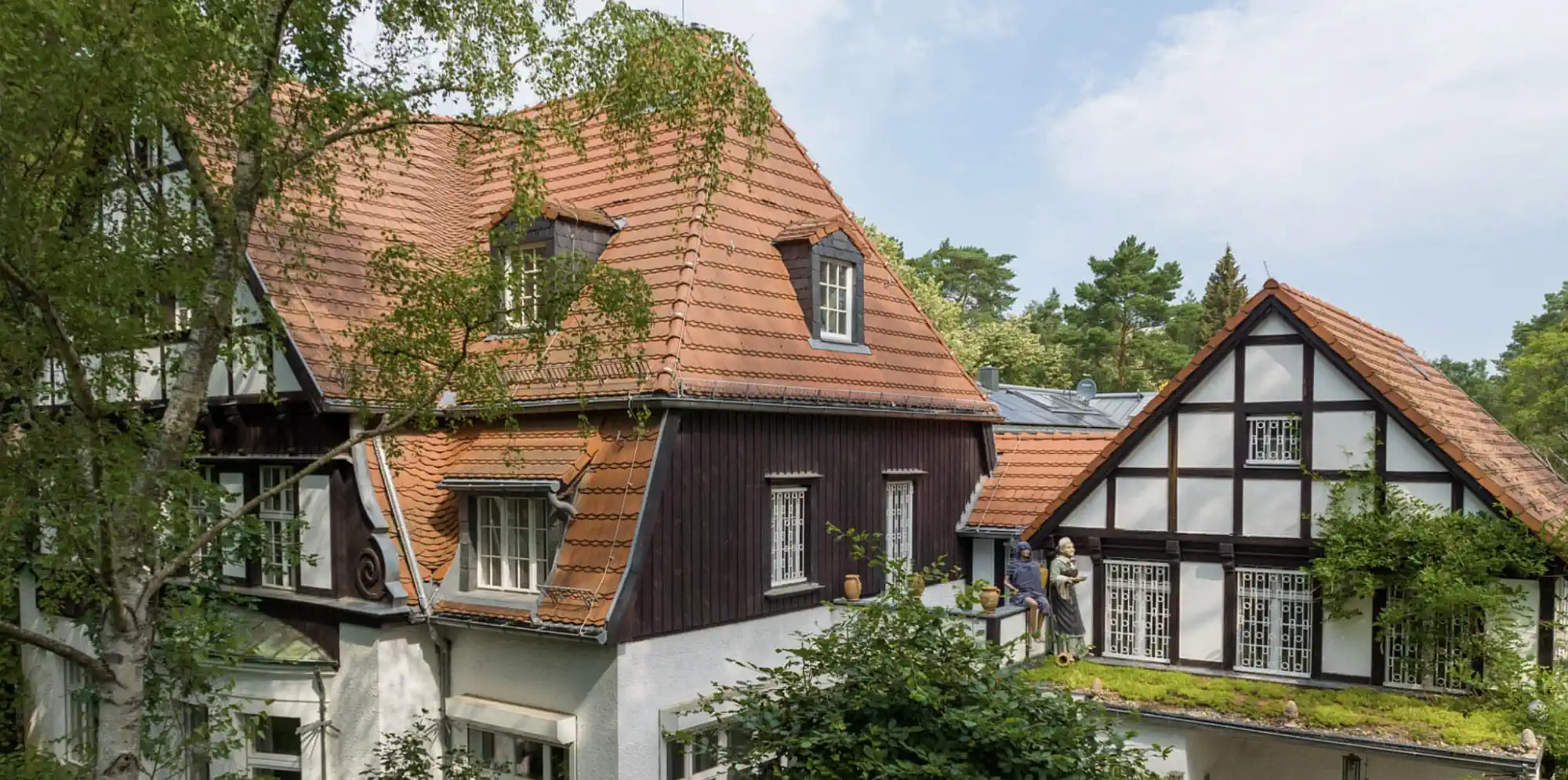
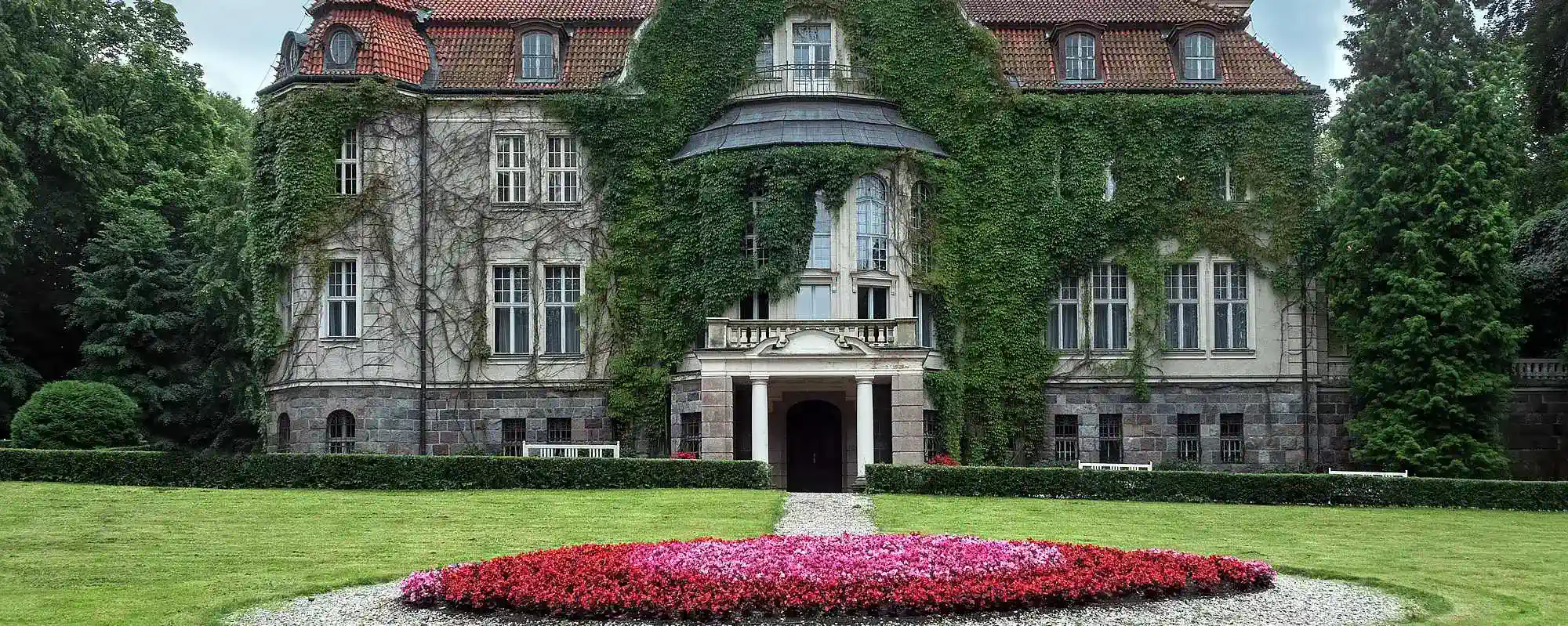
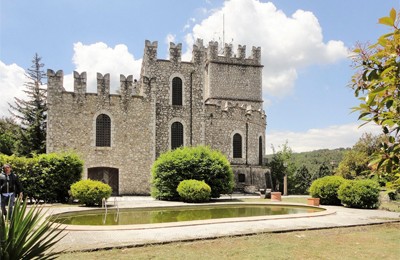
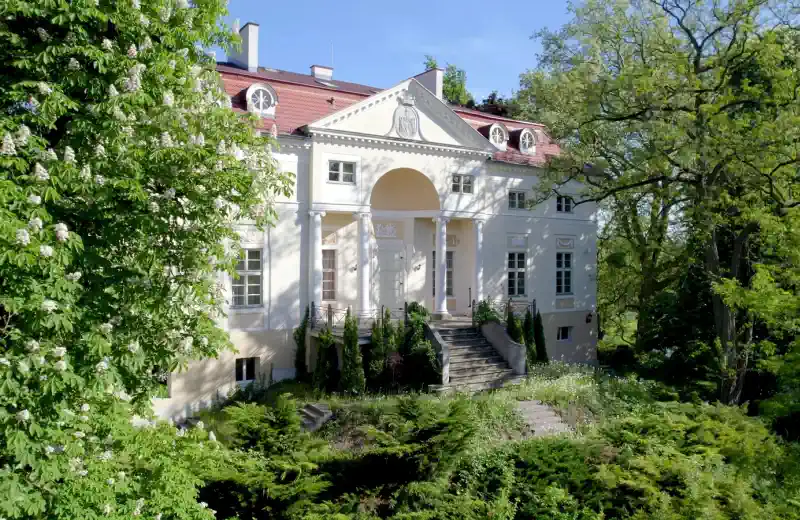
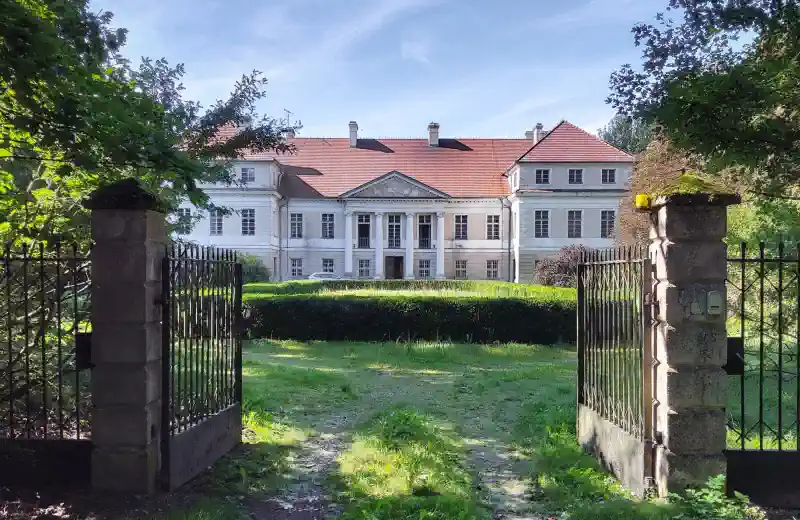
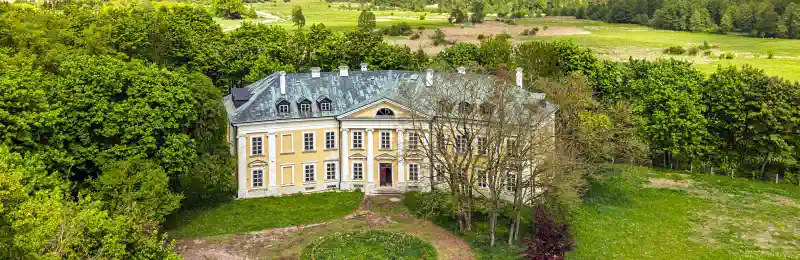
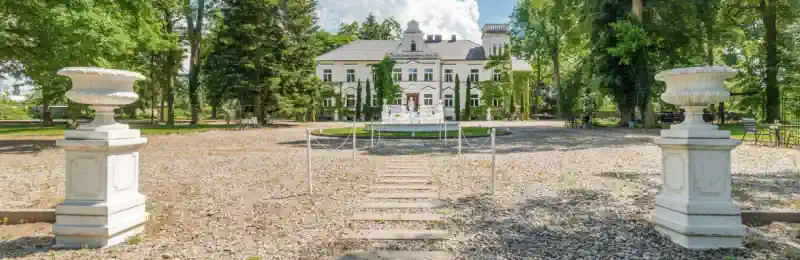
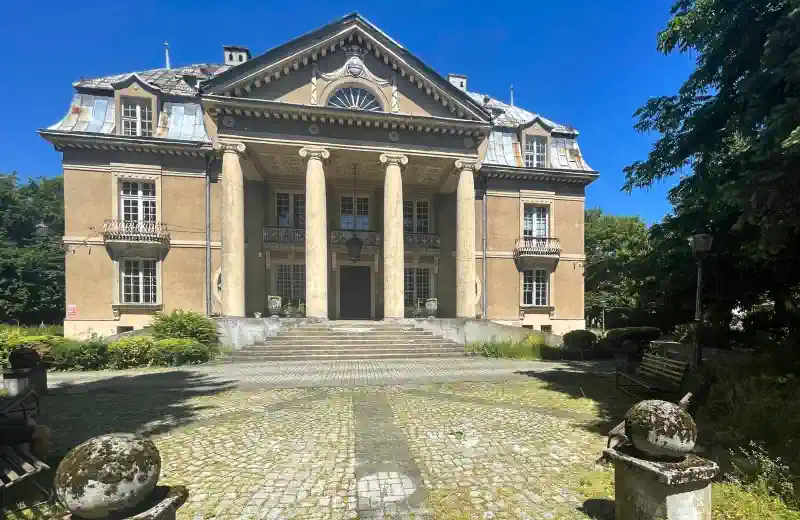
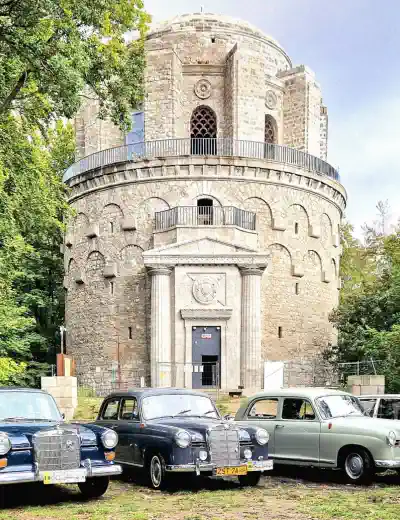
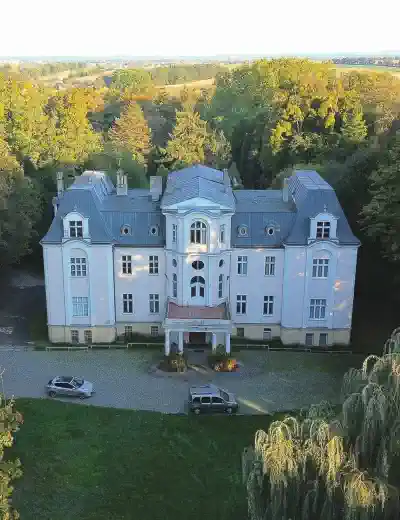
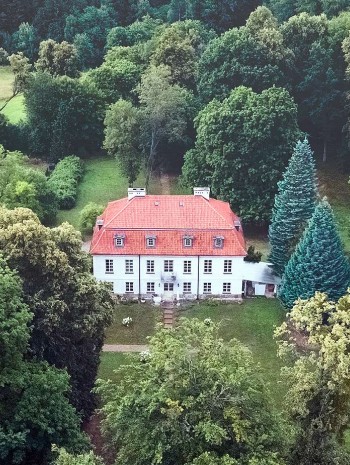
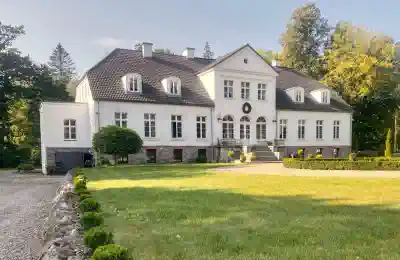
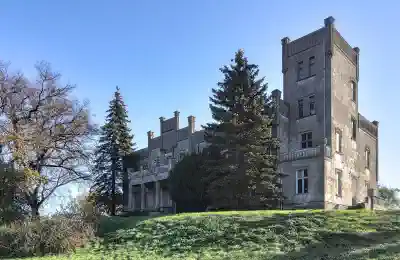
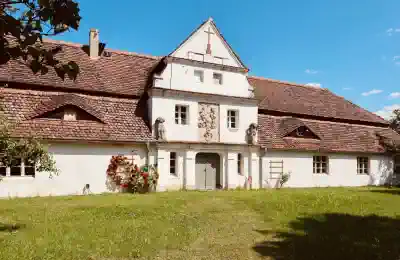
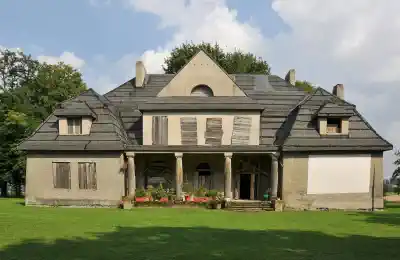
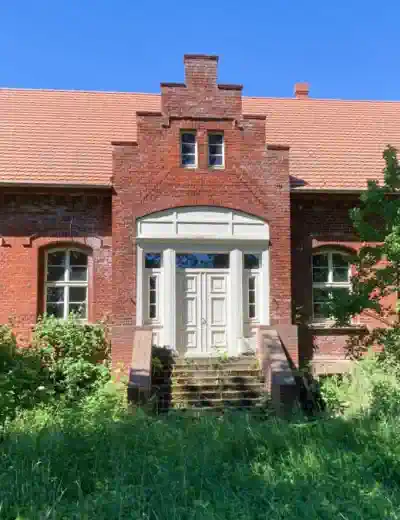
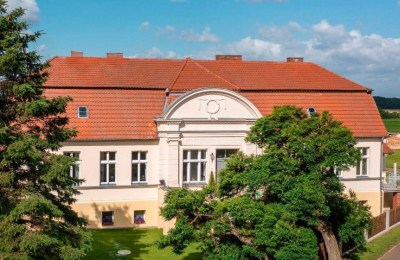
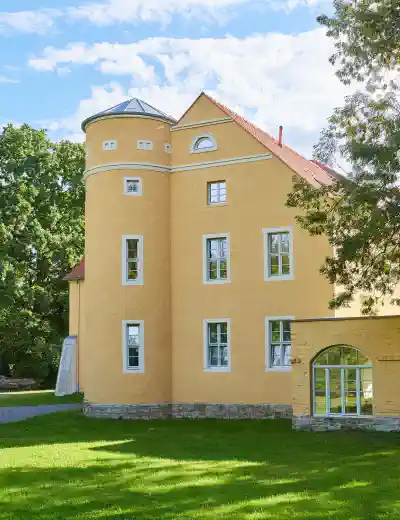
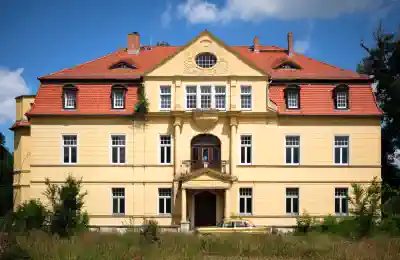
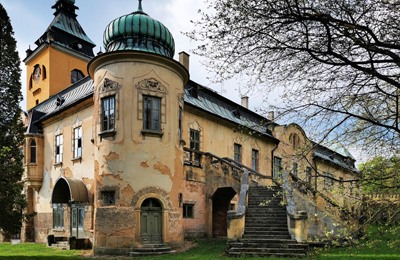
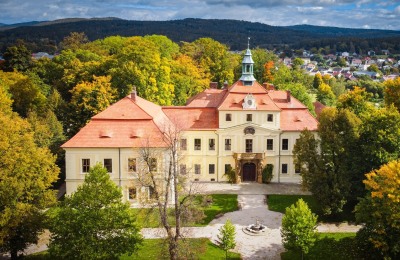
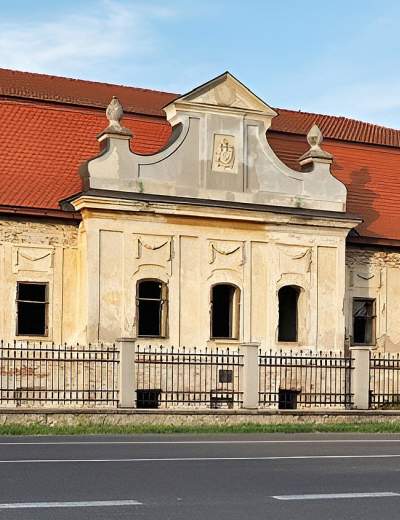
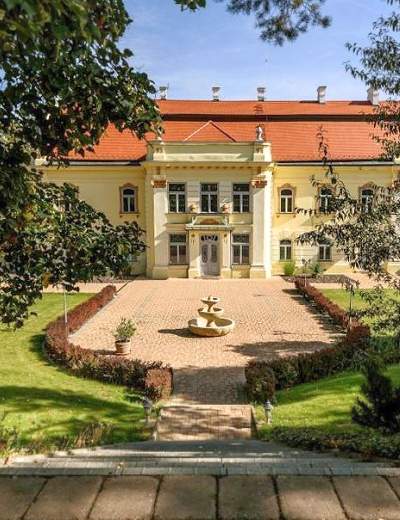
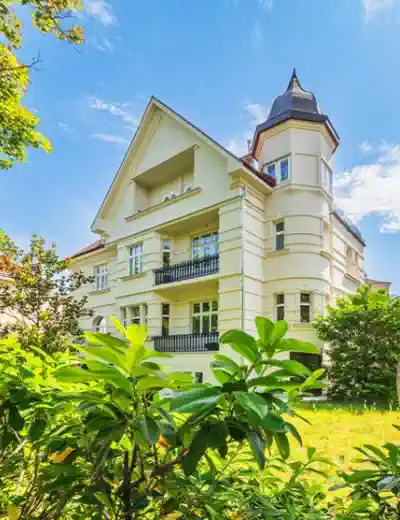
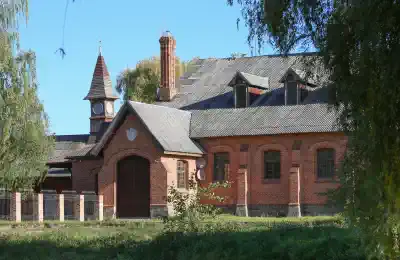
In parts of Germany and Poland, manors and castle
complexes left by centuries of nobility create a shared cultural
heritage along the Elbe, Oder, and Vistula rivers. Some properties
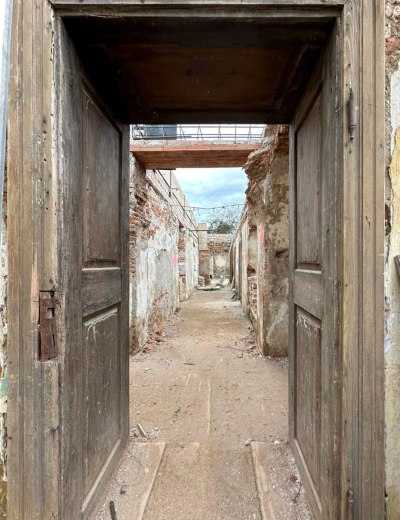
have been restored, others remain vacant, waiting for their next
chapter.
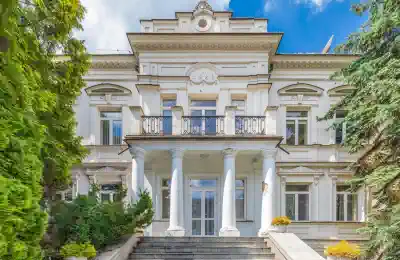
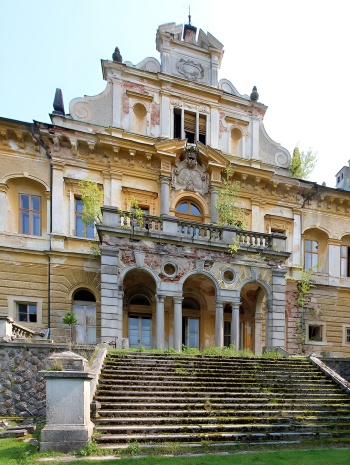
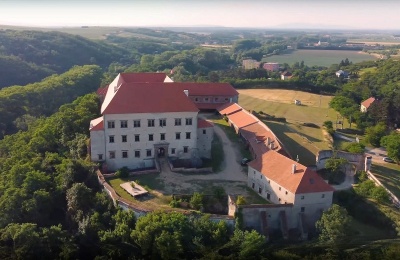
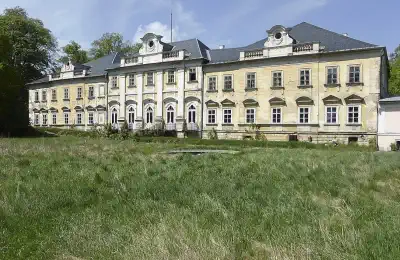
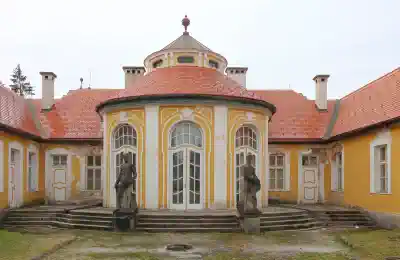
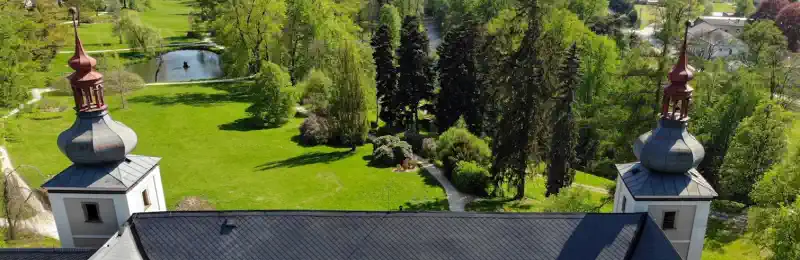
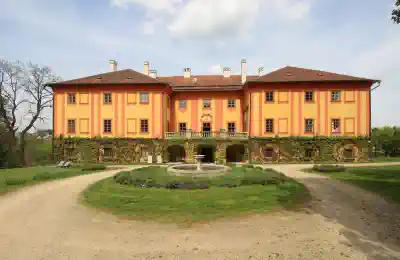
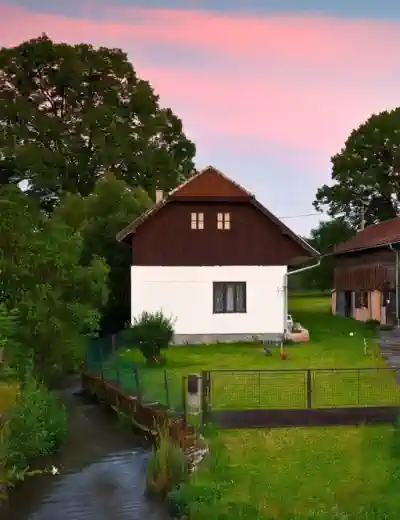
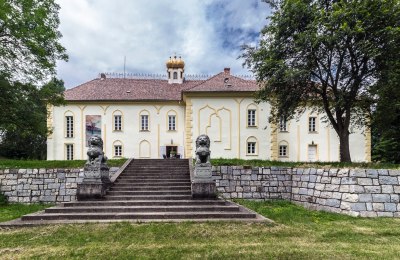
Czechia, famed for its opulent Bohemian Baroque, spares
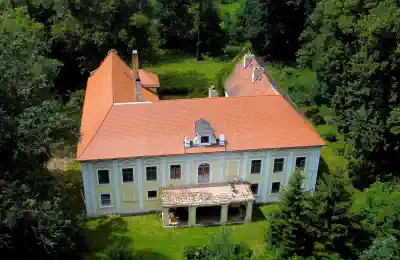
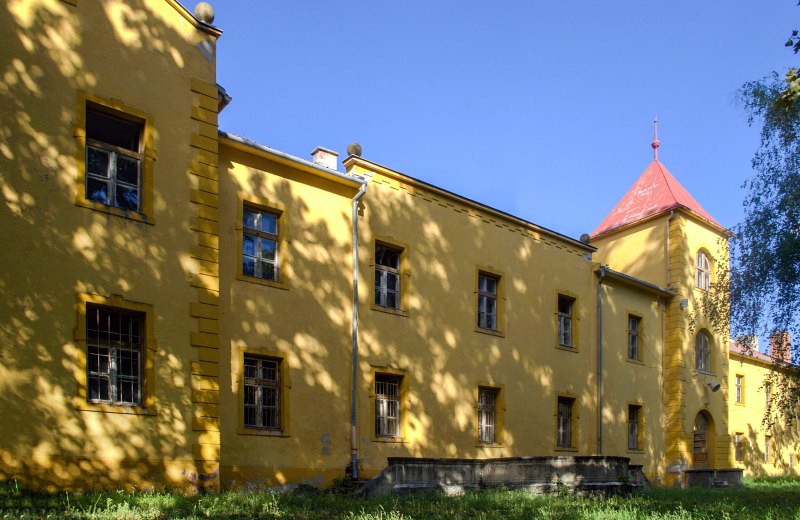
nothing in architecture or grand ceiling heights. Meanwhile, Slovakia,
once an eastern province of the Habsburg Monarchy, conceals
smaller castles that escape casual observation.
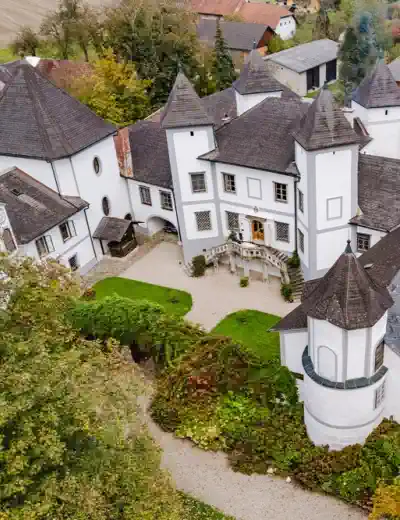
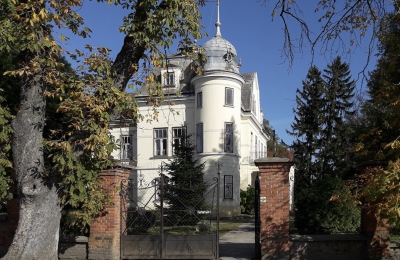
Austria preserves its heritage with Alpine precision.
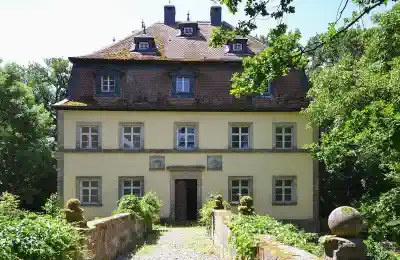
Between Vienna and the Salzkammergut, manor houses and castles
testify to centuries of careful administration. Prices mirror
location and condition – compromise is rare.
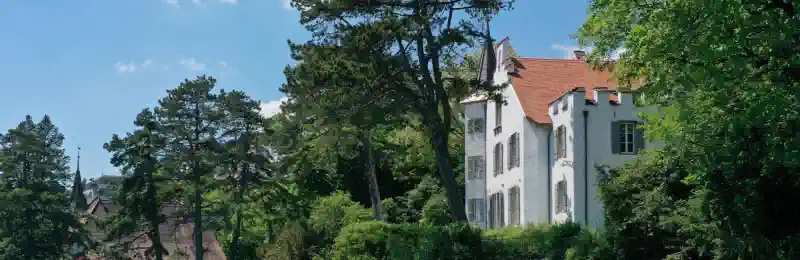
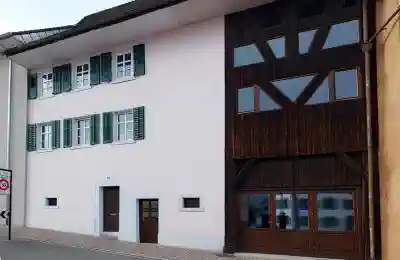
Switzerland offers historic properties in every region:
patrician houses in Ticino, manor houses in Graubünden, and
castles in Vaud along Lake Geneva. The market is discreet, and
properties are generally in excellent condition, reflected in
their pricing.
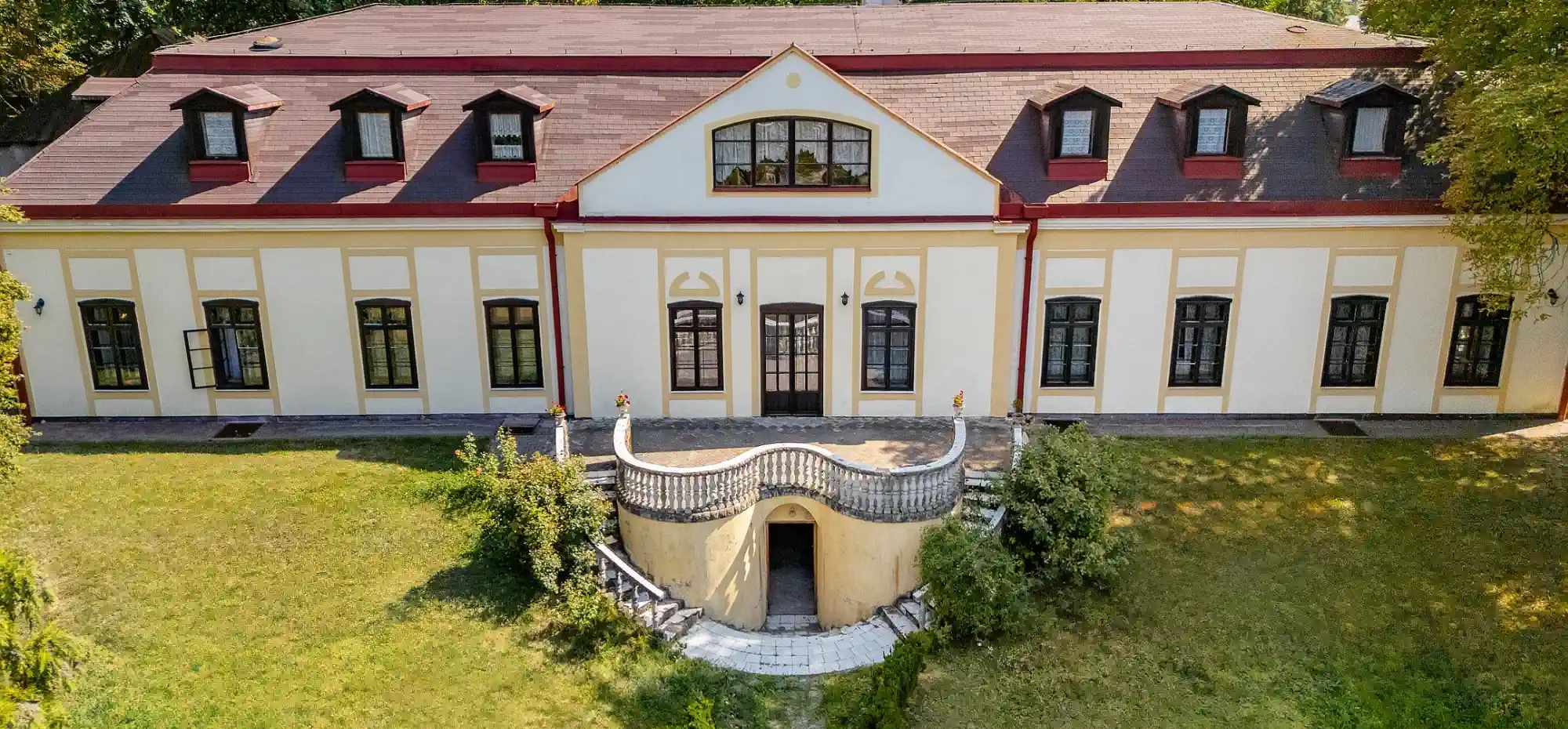
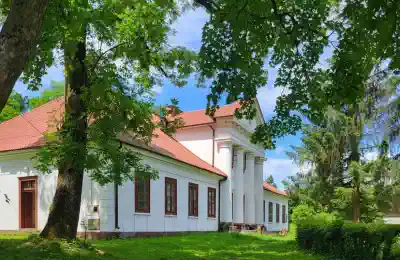
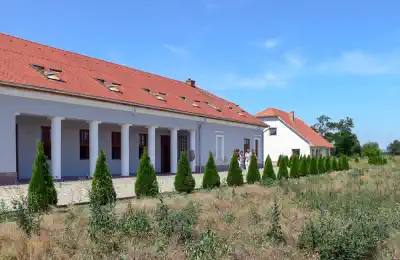
In Hungary, Baroque splendor is striking. Outside Budapest,
Kastélyok – estates of the Hungarian nobility – are gradually
being rediscovered, with restoration quality and prices varying
widely.
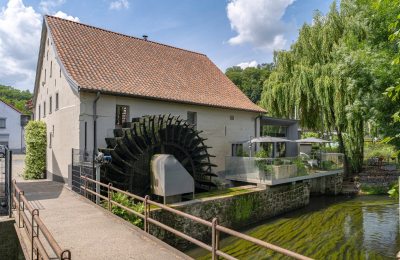
In the Netherlands, well-maintained country estates shape
rural landscapes, while representative townhouses with curved
gables (Herenhuis
) mark urban areas. Dutch architectural
traditions, such as the local Baroque style, are expressed in
subtle proportions and refined façade details.
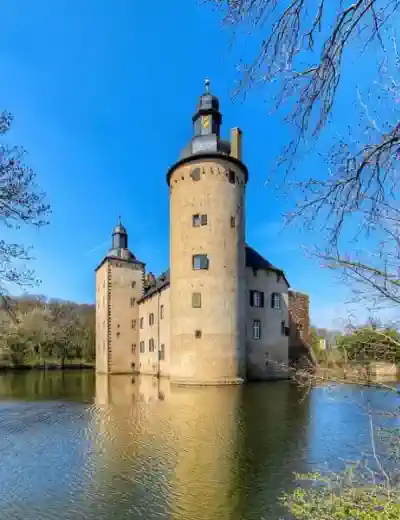
In Belgium, castles are maintained with Flemish diligence.
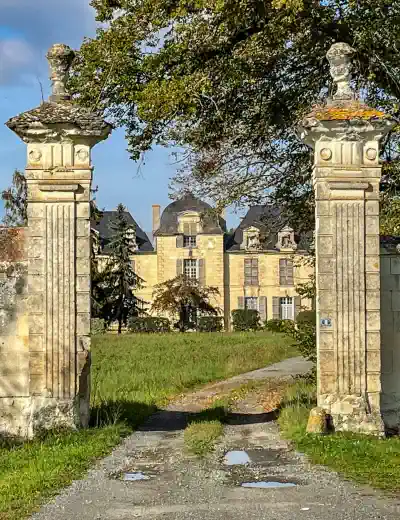
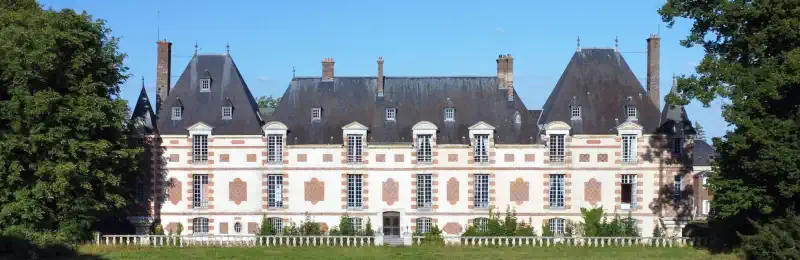
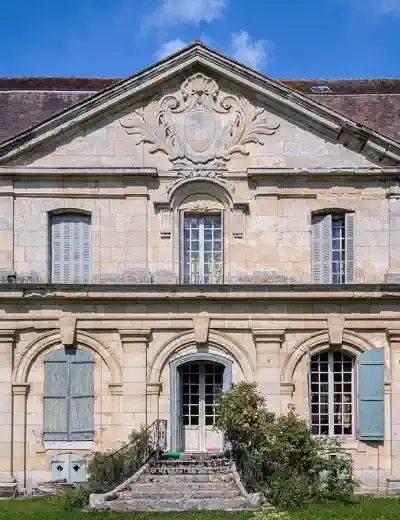
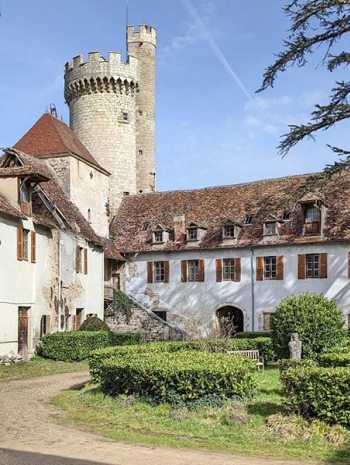
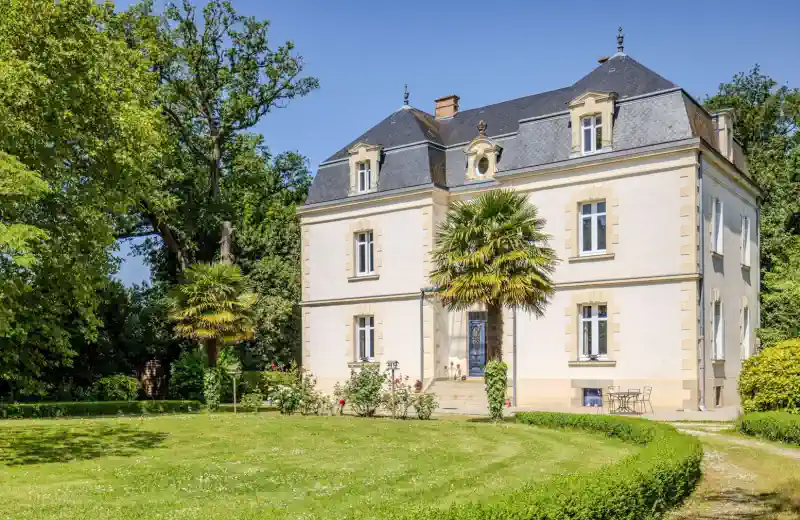
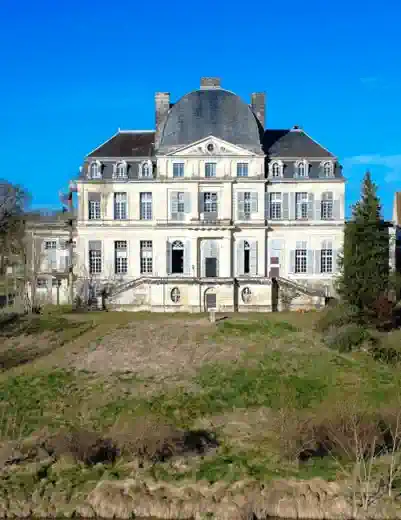
France remains a benchmark of elegance: Loire Châteaux with
Mansard roofs and mirrored galleries, Bordeaux’s Maisons de Maître
with wrought-iron balconies, Norman manoirs with half-timbered
façades, Provençal bastides, and urban hôtels particuliers – the
French market has a clear language of style.
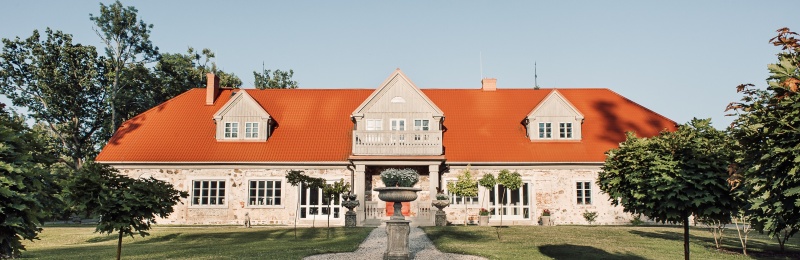
The Baltic States – Estonia, Latvia, and Lithuania – offer
a largely overlooked heritage. German-Baltic estates and manor
houses dot the region, presenting opportunities: less competition,
room for negotiation, strong support programs, and a welcoming
culture.
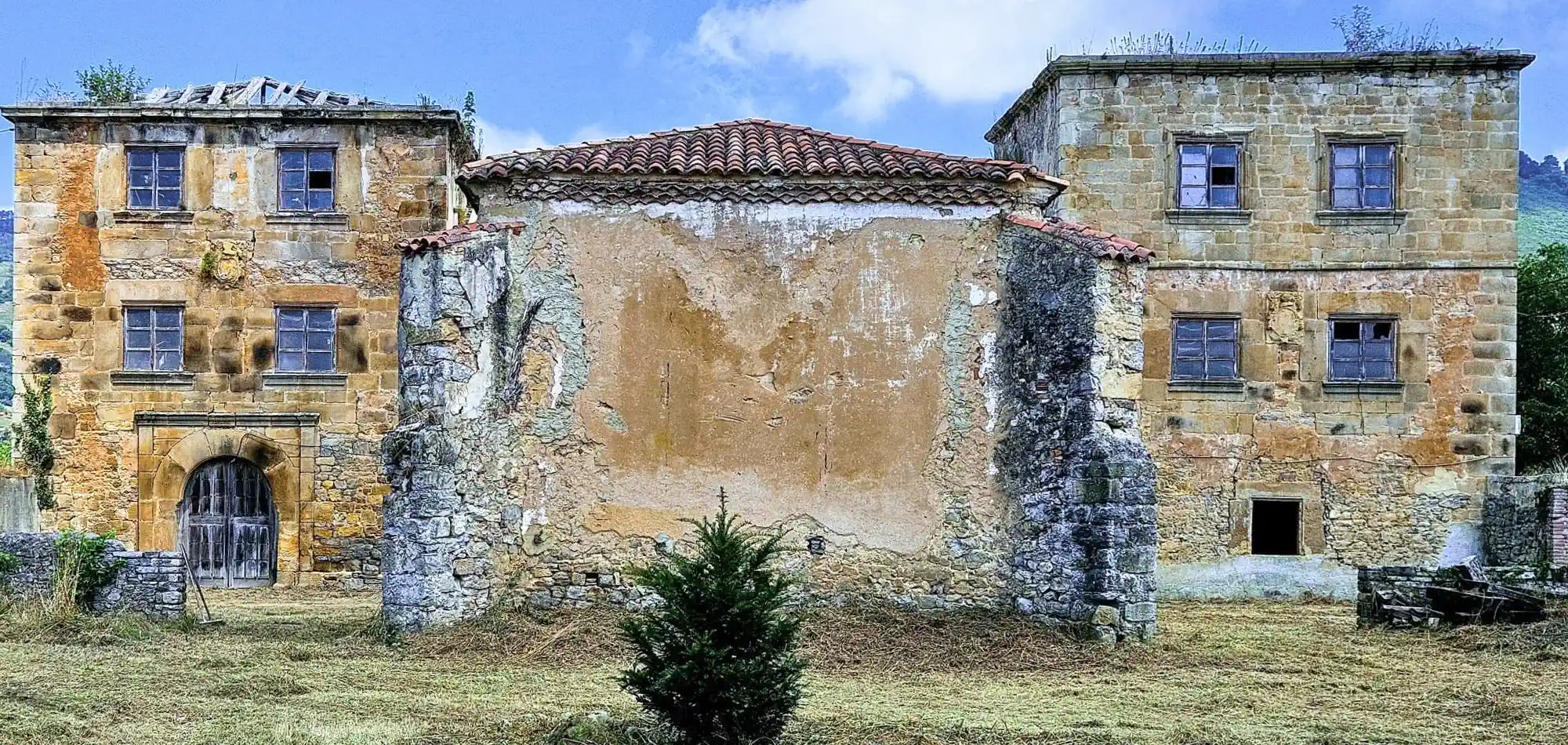
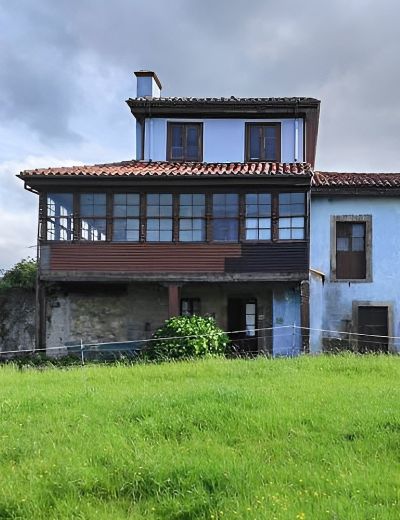
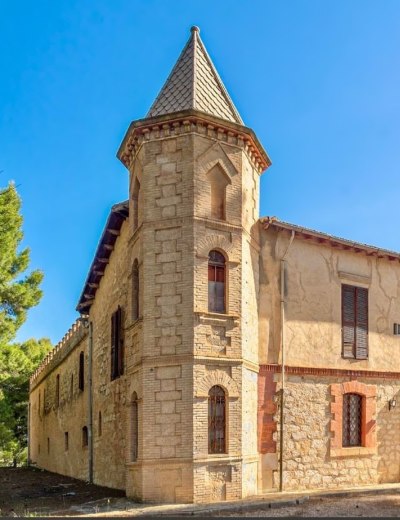
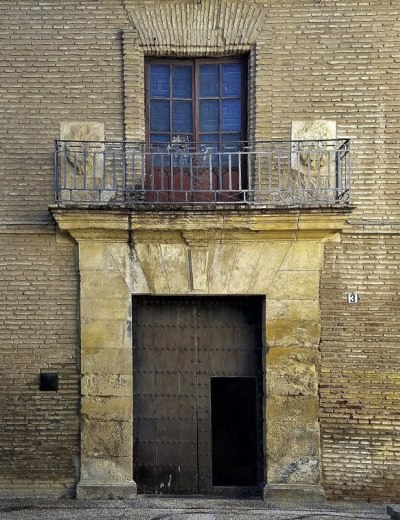
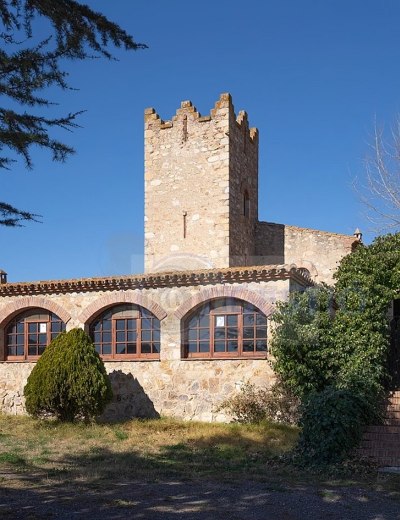
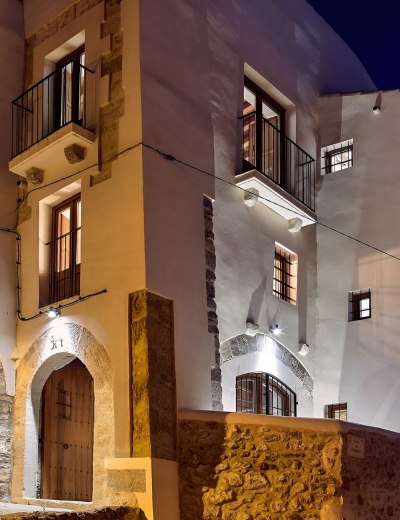
Spain showcases a varied historic property landscape.
Beyond the Costa and Mallorca, the market differentiates
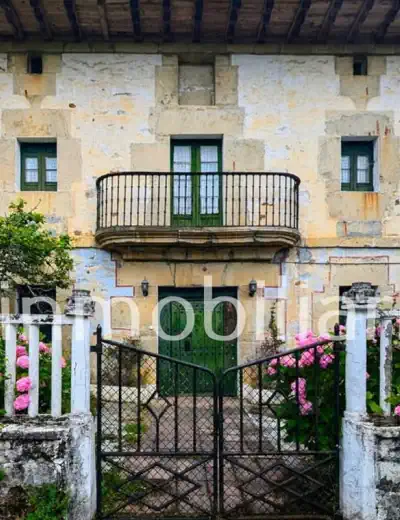
authenticity from façade. From Galicia’s pazos and granite walls
to Castile’s stately townhouses and family crests, and Catalonia
and Andalusia where strength meets Mediterranean lightness, Spain
reveals its diversity.
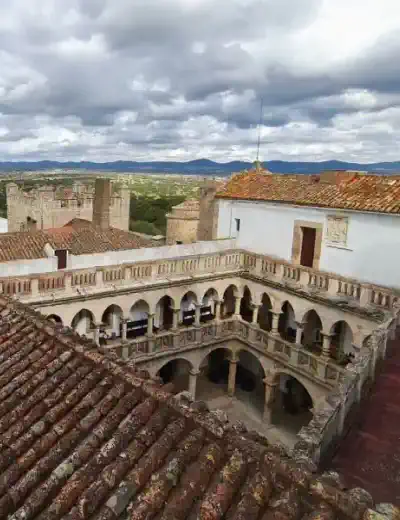
Portugal is experiencing a revival. Quintas in Alentejo and
the Douro Valley attract buyers seeking tranquility and who value
decorative Azulejo tiles. Prices are rising, yet remain below
neighboring Iberian markets.
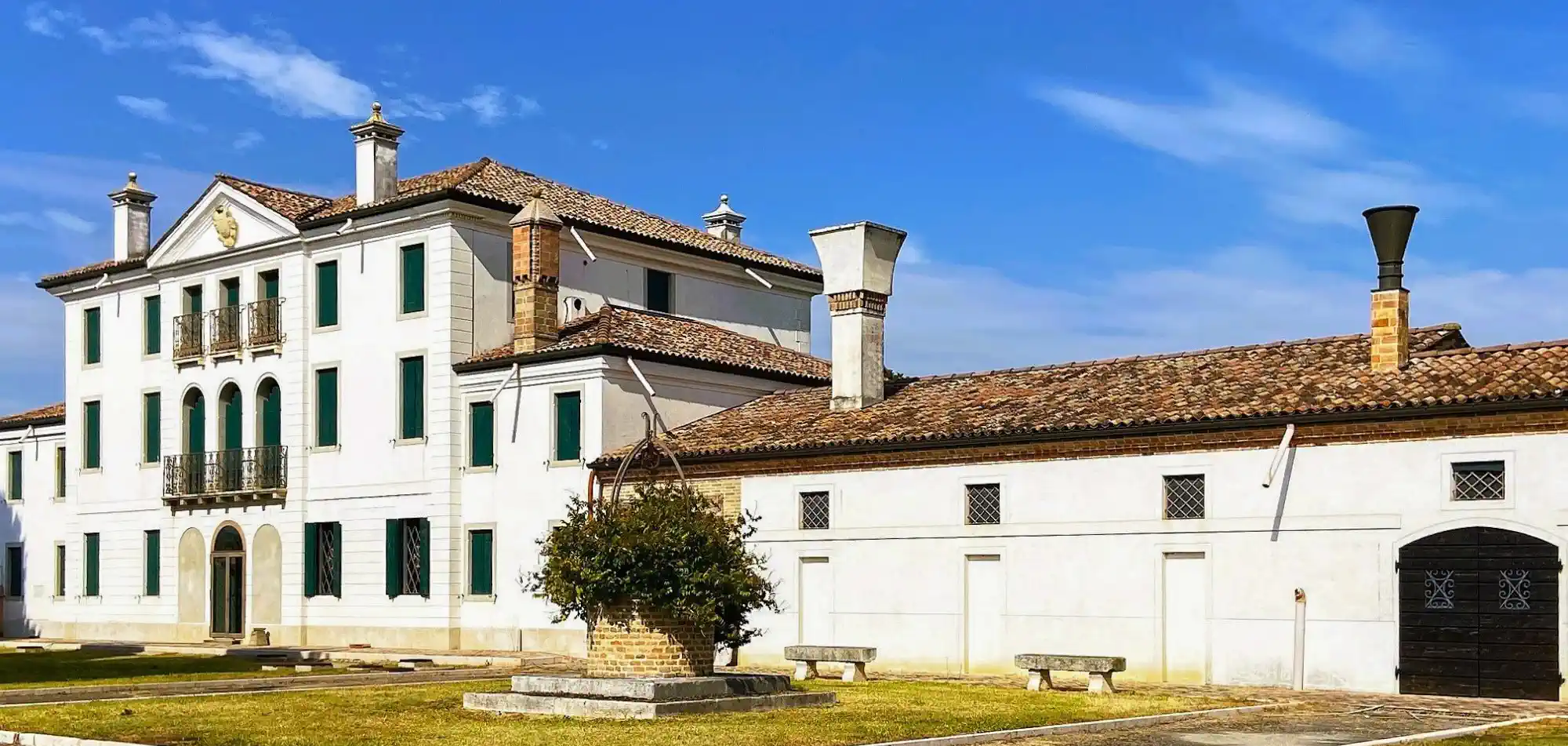
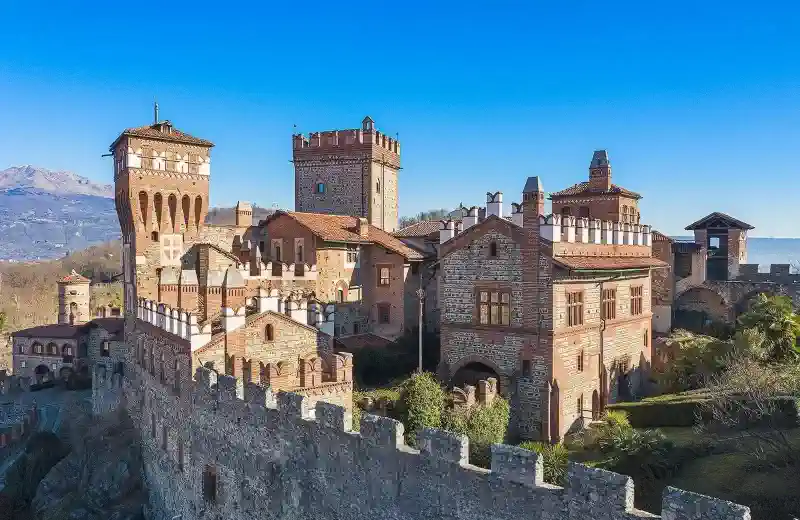
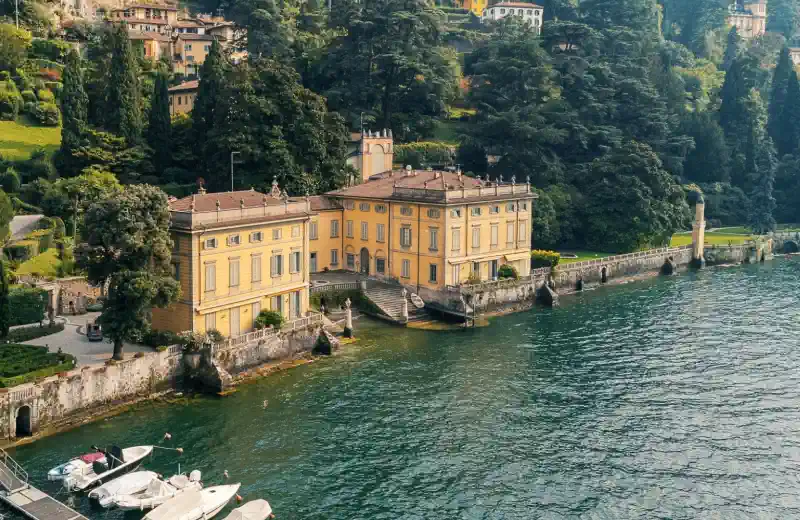
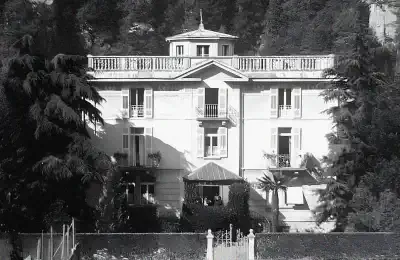
Italy is a leading market for historic properties.
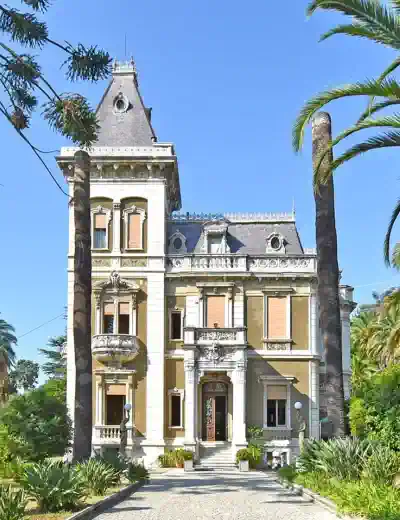
The northern Italian lakes – Lake Como, Lake Garda, Lake Maggiore –
combine Alpine landscapes with Belle Époque villas and remain a highly sought-after destination.
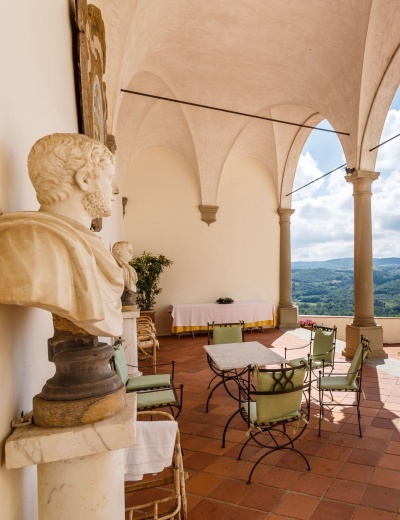
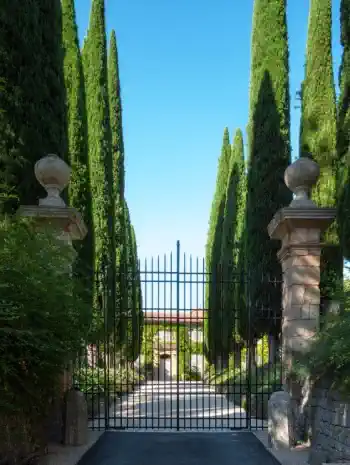
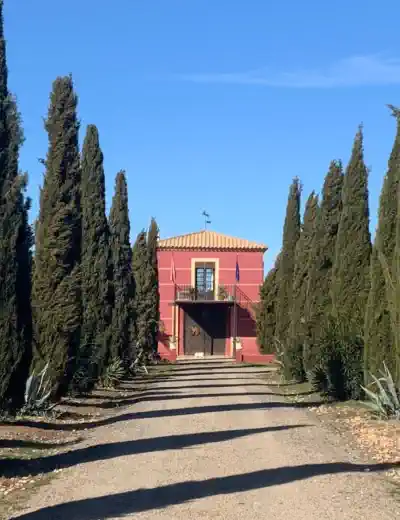
Tuscany, with its cypress-lined avenues, has long been iconic.
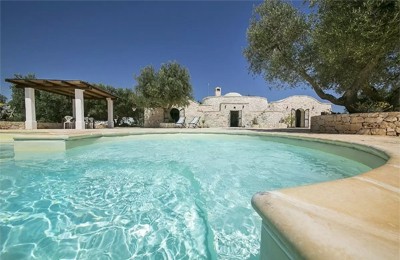
Umbria offers a more modest profile, while Apulia is transforming its trulli and masserie from utilitarian buildings into boutique properties.
Sicily unites Norman palaces, Baroque townhouses, and Liberty-style villas.
The United Kingdom maintains its own standards. Scottish
tower houses, Welsh manor houses, and English country estates span
a wide spectrum. Preservation is strict, heritage regulations
precise, and listed buildings require respect for both structure
and bureaucracy. The UK market is mature and well-understood by
those who navigate it.