
Storied properties. New custodians.
Town mansion for sale: Italy
Italy as the origin of European architectural history
From Roman antiquity through the Middle Ages to the Renaissance, Italy developed architectural forms that fundamentally influenced the design of urban residences and country estates across Europe. The Renaissance marks a central turning point: In northern and central Italy, a villa culture emerged during the 15th and 16th centuries, whose theoretical foundations were systematised by Andrea Palladio in the Veneto region. His clearly proportioned, axially organised country villas became a reference point for aristocratic residential architecture far beyond Italy.
At the same time, Italian city-states saw the development of the Palazzo as a central form of urban power and representative architecture. These multi-storey city palaces of noble and merchant families remain an important part of historic urban structures, especially in Florence, Venice, Rome and Bologna.
In the 19th century, Eclecticism added another layer to these developments. The Liberty style – the Italian interpretation of Art Nouveau – emerged around 1900, particularly in Milan, Turin and the lakes of northern Italy. Typical features include floral ornaments, elaborately crafted façades and the connection of architecture, decorative arts and interior design.
The historic property heritage of Italy can be divided into three main regions:
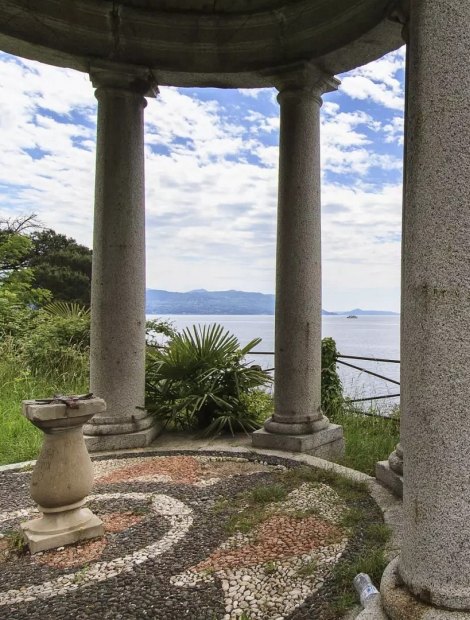
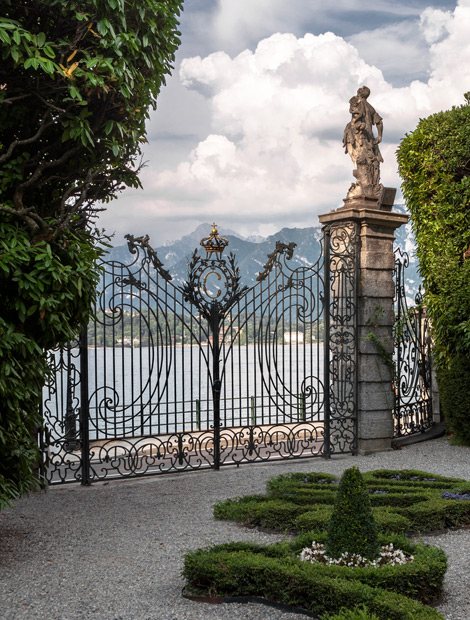
Northern Italy: Villas and urban residences dominate this area. Especially in the Veneto region as well as around the lakes of Piedmont and Lombardy, both Renaissance villas and Liberty-style buildings can be found. Proximity to economic centres led early to the development of grand bourgeois residences.
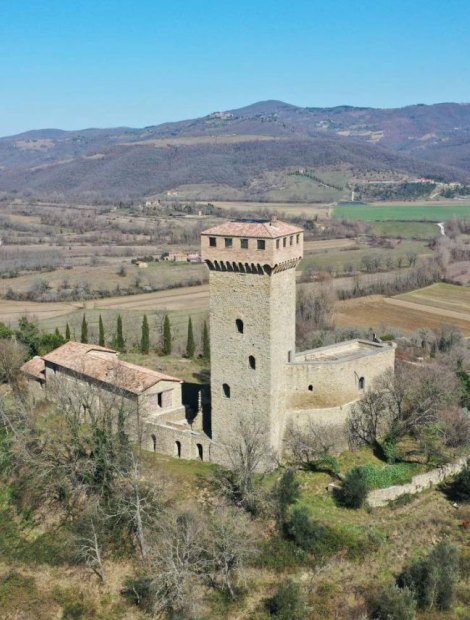
Central Italy: In Tuscany, Umbria and the Marche region, Renaissance architecture and agricultural estates are central elements. Many of these buildings originated as former noble residences that were remodelled or expanded during the Renaissance. The Palazzo type is also strongly represented in historic city centres.
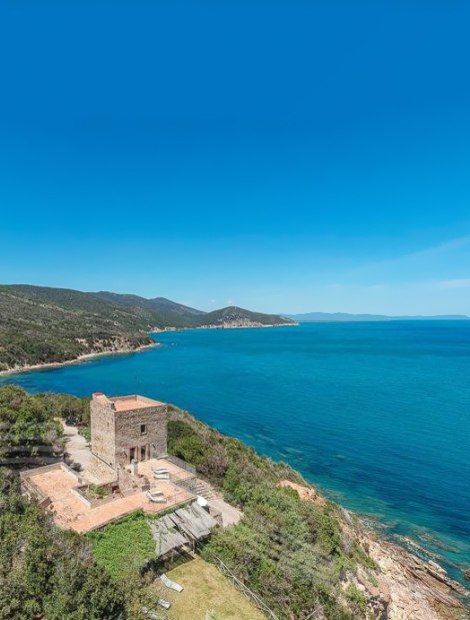
Southern Italy: In regions such as Apulia and Sicily, fortified structures as well as distinctive building types such as Trulli, Masserie and large agricultural complexes dominate. These developed from the combination of agricultural use and defensive functions and were later shaped by different architectural influences and regional building materials.
Across all three regions, different architectural periods and regional building traditions as well as social structures overlap. The historic property stock is among the densest in Europe.
Italy highlights
Selling a castle or historic property in Italy
List a historic property in Italy in just a few minutes and reach European and Asian buyers.