RTICO
RTICO

Listed buildings are valuable witnesses of history, making the past tangible and preserving cultural identities. Owning a historic property comes with a great responsibility for maintaining its substance. Challenges often arise that require specialized knowledge, sensitive restoration techniques and continuous attention. In this guide, you will learn how historic monuments can be preserved in the long term, which measures are suitable for thorough maintenance, and why a sustainable approach to renovating these properties is essential.
Importance of Heritage Preservation
The preservation of historical buildings serves the public good: architecture from past eras provides valuable insights into craftsmanship, lifestyles, and styles of specific periods. In addition to their spiritual and aesthetic value, heritage preservation contributes to maintaining regional identity and promotes sustainable tourism, benefiting many communities. The emotional connection of owners to a historical property should also not be underestimated. Often, ancestors built or lived in the building for a long time, so the loss of its structure feels like the loss of a piece of family history.
Key Maintenance Steps for the Preservation of Historic Buildings
To ensure that heritage buildings retain their historical substance in the long term, it is essential to keep track of even the smallest changes. Peeling paint, damp walls, or settlement cracks should not be ignored, as these minor issues can quickly lead to larger damage. Regular inspections are the foundation of a successful preservation strategy. In addition to regular inspections and communication with other owners, it is also important to rely on the expertise of professionals specialized in heritage conservation.
- Regular exchange with craftsmen specialized in restoration
- Consultation with architects experienced in heritage conservation
- Coordination of modernization measures with the responsible authorities
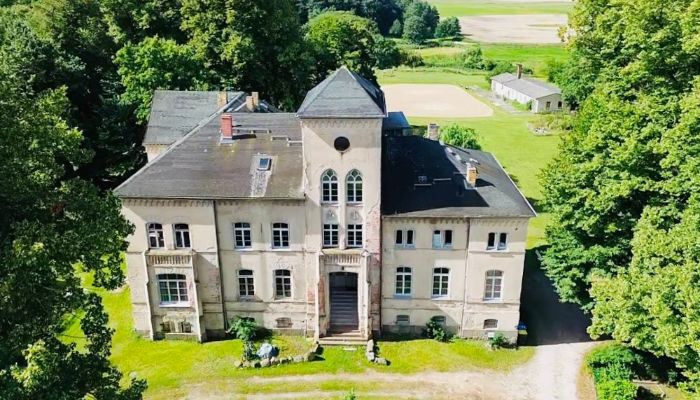
Building experts focus on typical damage patterns such as woodworm infestations, crumbling plaster, or leaking roofs, offering tailored advice for each property. Close cooperation between heritage authorities, specialist companies, and owners is essential to preserve the historical substance. When purchasing an old manor in need of renovation, extensive restoration and remodeling work is often required. It is crucial to align contemporary living requirements with the demands of heritage conservation.
Detailed Analysis of Building Condition
The condition of historic buildings can vary greatly. Some houses have not undergone significant changes for decades, while others have been renovated multiple times and now feature a mix of building materials. To accurately assess the current state, expert evaluations are beneficial. These professional assessments provide insights into the building's stability, potential mold issues, or moisture damage in the masonry. Additionally, a realistic valuation helps to keep track of both the property's potential and the necessary investment effort. For those taking the step to restore a historic property, a professional evaluation is essential.
Valuation and Marketing Strategies
When considering a historic property over the long term, the economic aspect is also crucial. These buildings are often impressive, but their market value varies depending on exclusivity and condition. A professional assessment by experts is therefore essential to avoid financial uncertainties. Anyone planning to sell the property should have an appraisal done by a qualified expert, as many real estate agencies only provide non-binding market value estimates and lack true expertise in historic properties. This appraisal provides a well-founded picture of the condition and value. Even if an immediate sale is not planned, such an appraisal is a valuable foundation for future decisions.
However, if the owner does not wish to take on the responsibility for maintenance and upkeep themselves, selling the property may be the best solution. The sale of a historic property is not a simple process and requires patience as well as an active marketing strategy. Here, professional advice can help highlight the unique features of the house. Potential buyers always value the building's history, authenticity, and cultural heritage - factors that increase the property's value and should be considered in the marketing process.
Sustainability in Monument Conservation
Ecological factors are becoming increasingly important. Responsible revitalization of a historic building can significantly improve its energy balance while enriching the local landscape. Particularly when working on complex areas like roofs or facades, it is advisable to preserve historical building materials rather than replacing everything. This way, the building’s unique character is maintained while conserving resources. Often, less invasive methods are required to avoid damaging the valuable structure.
- Insulation with natural materials (e.g., wood fiber insulation boards)
- Use of traditional plasters to protect delicate building fabric
- Renovation instead of replacing old wooden elements
These measures take into account that each monument is a unique structure with specific technical conditions. Climate protection should never be considered in isolation but always in harmony with the preservation of the historic fabric. Those interested in exploring industry-specific construction methods will find solid foundations in conservation-oriented restoration techniques to choose the appropriate methods.
Avoid Common Mistakes
- Careless Handling of Original Parts: Replacing valuable building elements too quickly can lead to an irreversible loss of historical authenticity.
- Skipping Permits: Making structural changes without the necessary approvals risks legal consequences and potentially poor results.
- Inadequate Documentation: Accurate documentation is essential for every restoration measure to facilitate future repairs.
- Lack of Maintenance Cycles: Maintenance and inspection intervals should be established in advance to detect damage early.
- Disregarding Microclimatic Conditions: A historic building often requires a different ventilation and heating concept compared to modern homes.
By avoiding these obstacles, the building fabric is protected from unnecessary damage, creating a stable foundation for the future. Improvements can be continuously implemented by following a scalable maintenance strategy in collaboration with experts and authorities.
Conclusions on the Maintenance of Historical Building Fabric
Owning a listed property means much more than simply living in a historical setting. The connection between its individual history, personal commitment, and creative restoration ideas shapes the experience of living in the building in a special way. By maintaining the property with dedication and continuous care, owners preserve a valuable cultural asset for future generations. Moreover, authentically restored and well-maintained monuments can also be financially beneficial, as their market value often rises significantly.
Through mutual exchange among monument owners, supported by experienced craftsmen, accurate assessments, and regular maintenance intervals, owners not only secure the historical appearance of their property but also its long-term value preservation and safety. Small repairs prevent high follow-up costs, and regular inspections ensure that the building's condition is maintained as optimally as possible. A careful approach to original materials, combined with sustainable modernization concepts, creates a harmonious balance between historical character and modern comfort.
 19205 Gadebusch, Mecklenburg-West Pomerania