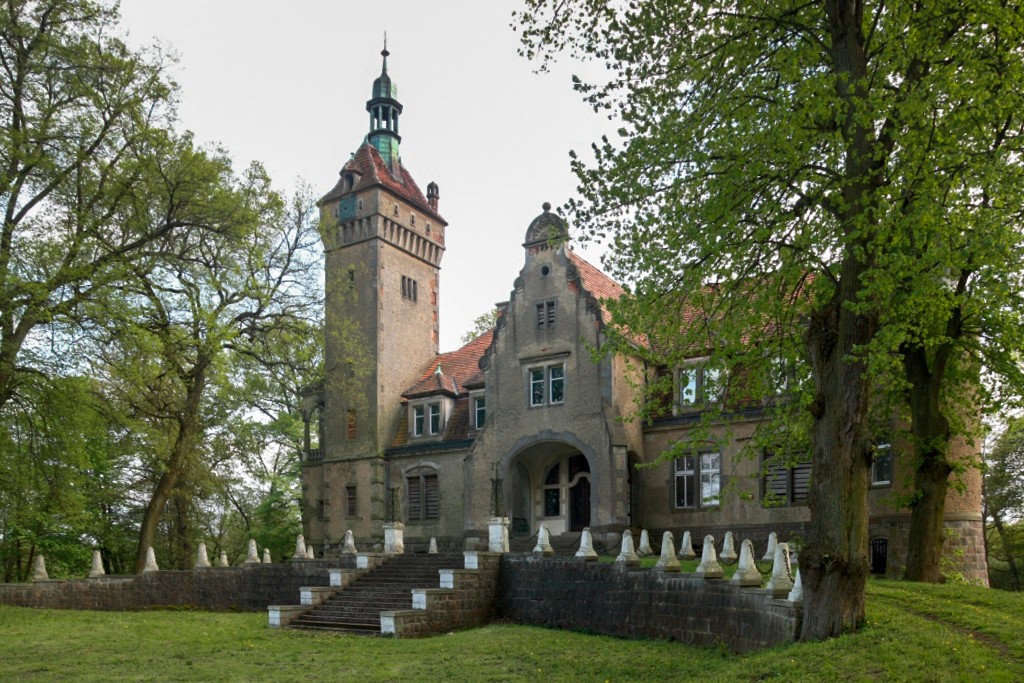
Beautiful art nouveau manor in standalone location with large plot: Pałac w Stołecznej
.
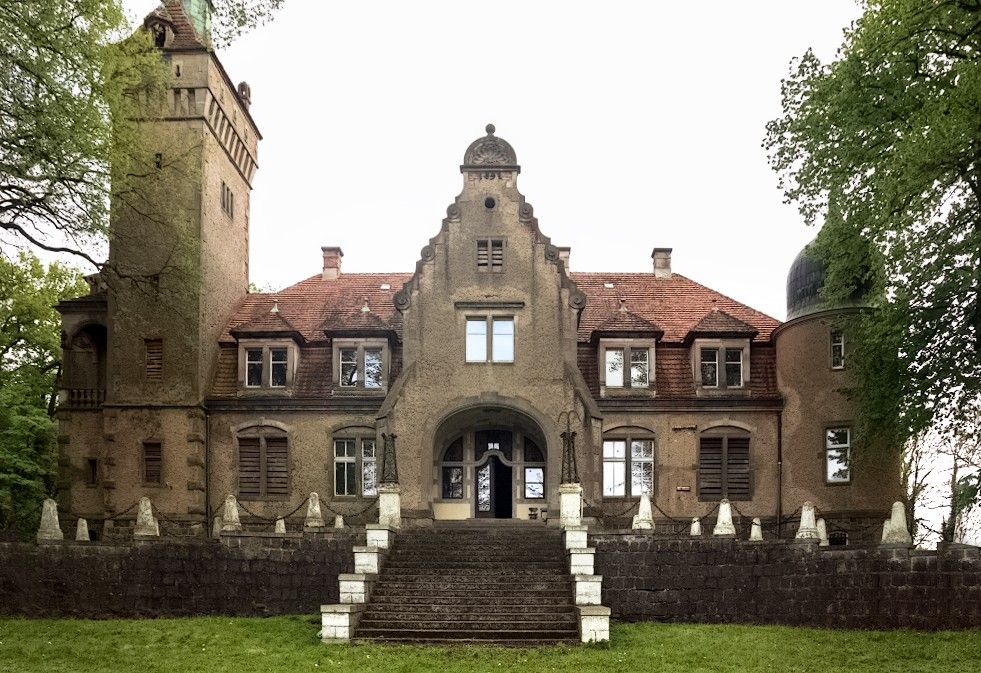
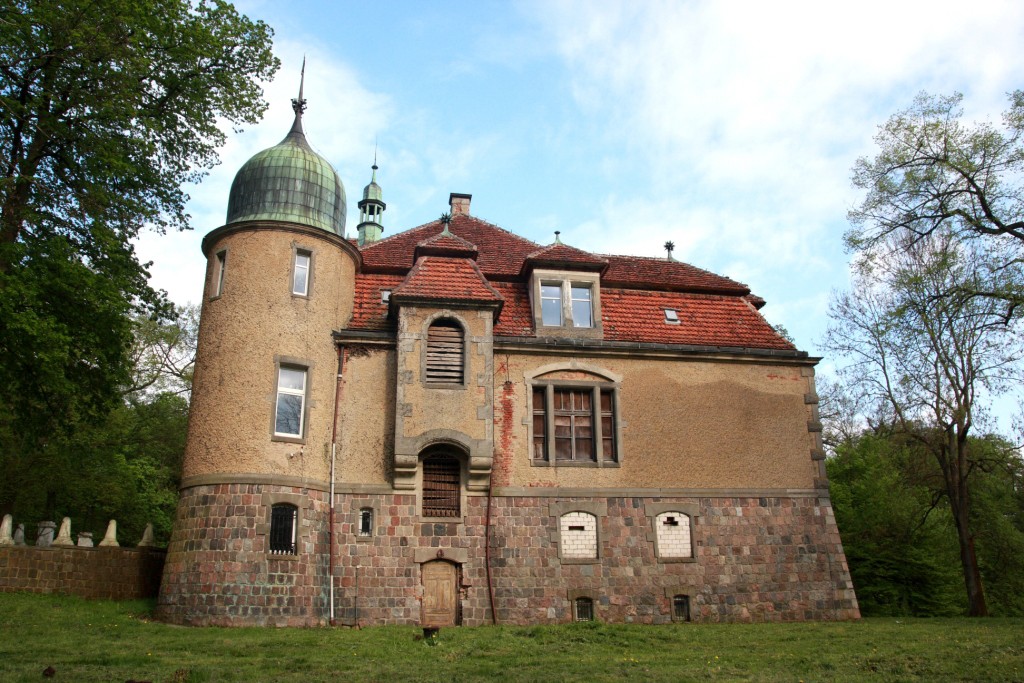
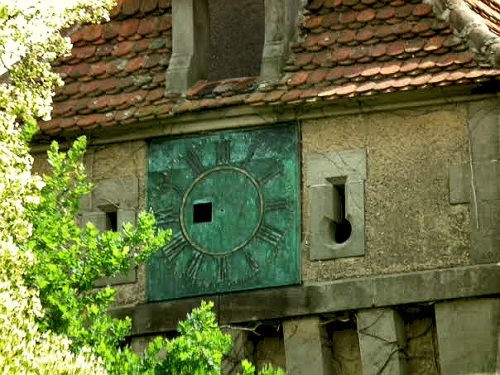
The manor was built in the 15th century and got its present form after a reconstruction around 1890. The manor with its lands were owned by the von Sydov family for centuries. In the middle of the 19th century, the estate of Friedrich von Sydov was considered a model estate: there were two mills, a distillery a brewery, sheep and cattle were bred and cheese was produced, which was also sold in Berlin.
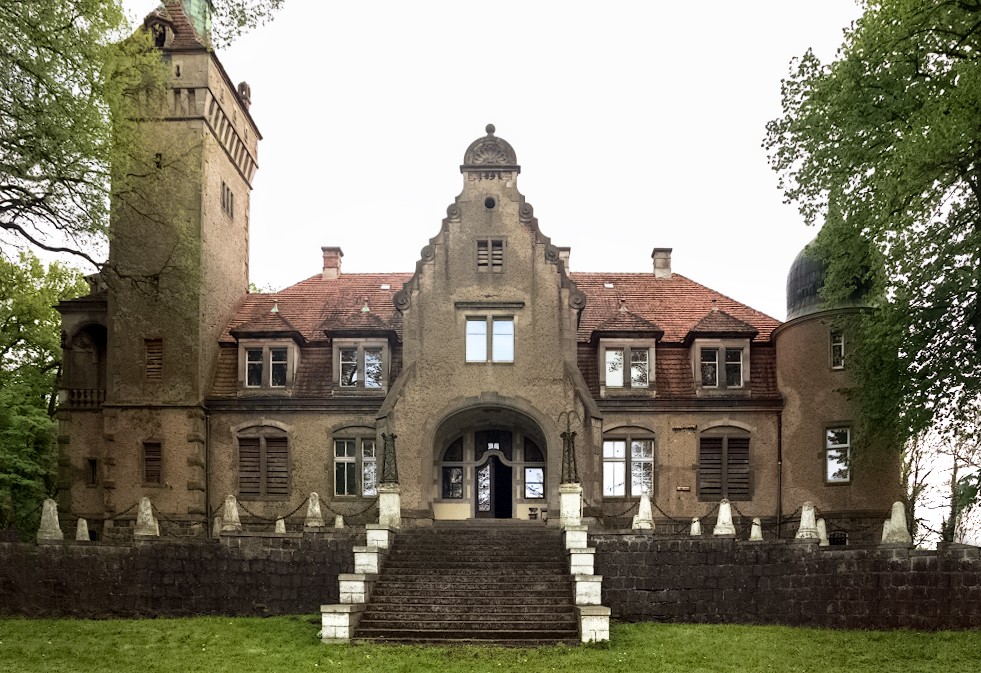
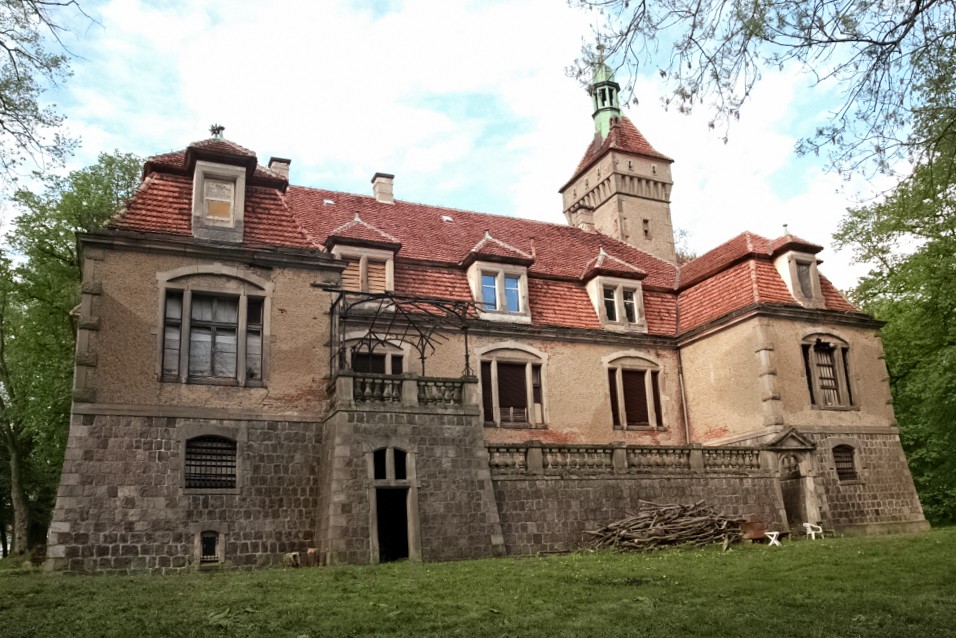
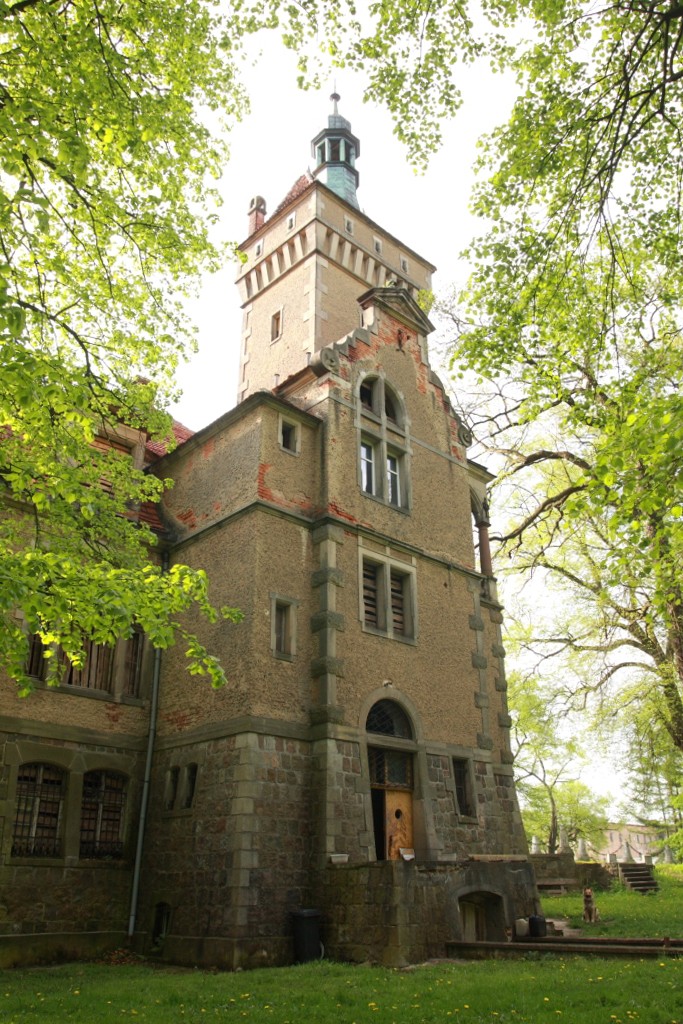
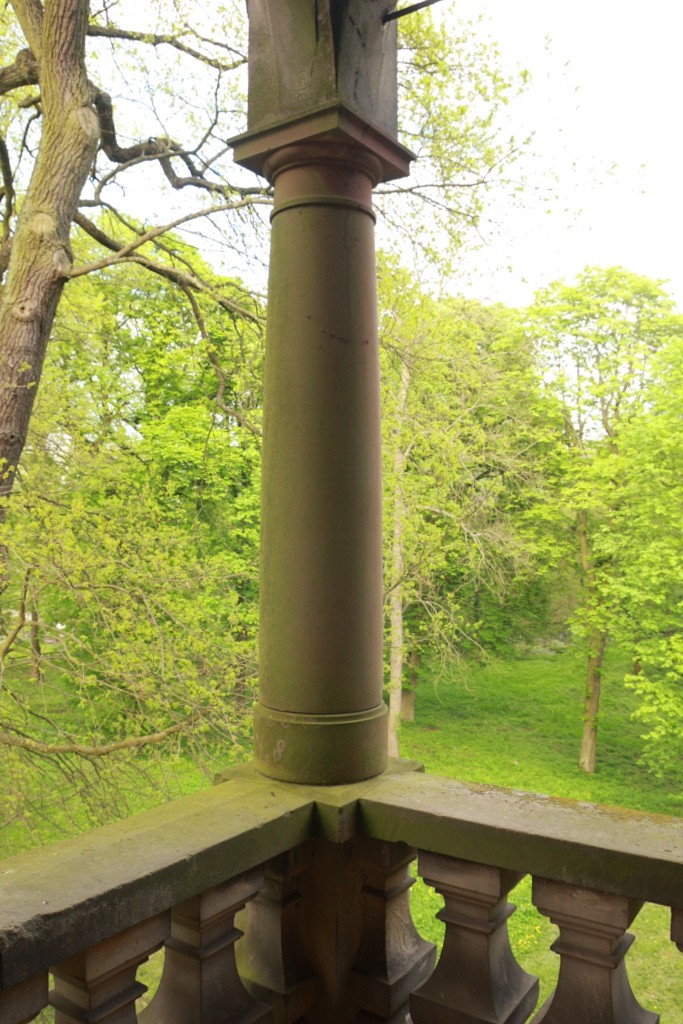
Brick building with a representative driveway, two towers and a spacious terrace on the south side.
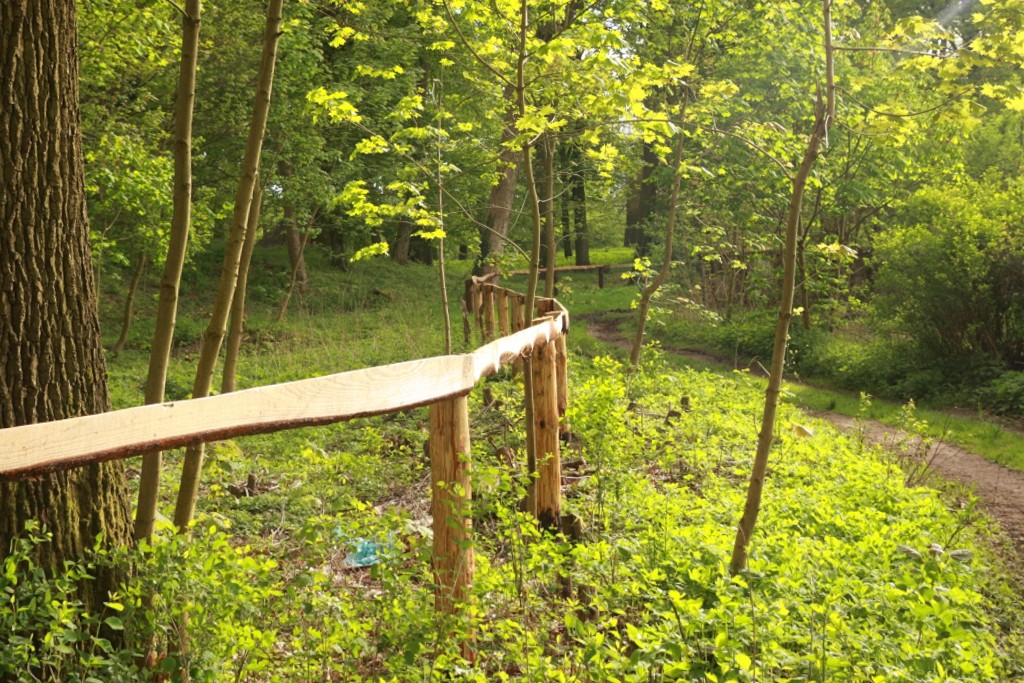
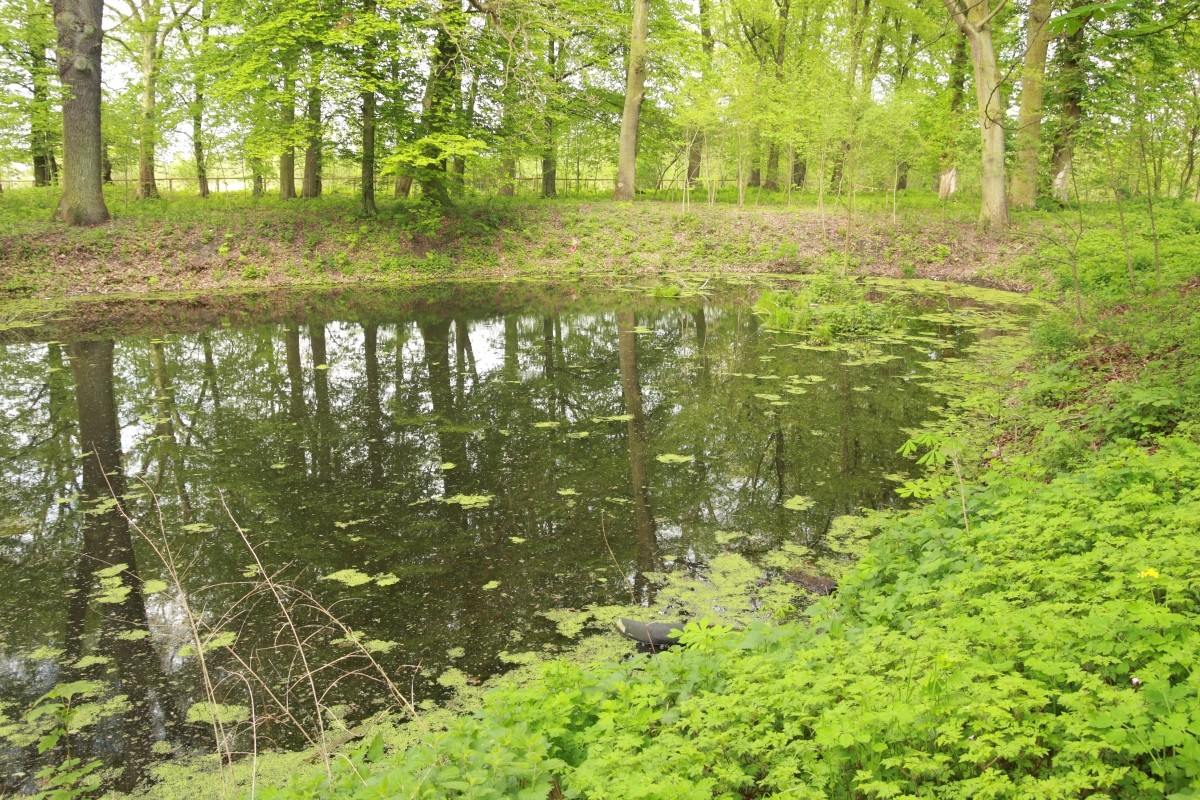
The property is surrounded by a park, which is bordered on the north side by the remains of the former manor. On the south side, the park slopes down to the ponds, then woods and meadows follow. Part of the park has a natural character. The total area of the park is 66,442 m2.
The listed castle and park complex was created at the beginning of the 19th century. In the park there are the following tree species: oak, ash, linden, chestnut, maple, alder, willow. The distribution of trees in the park complex is irregular. Some trees have monumental character.
The total usable area is 1,709.5 m². Besides the castle there is a stable and a brick barn. The property is locally developed and equipped with technical infrastructure facilities.
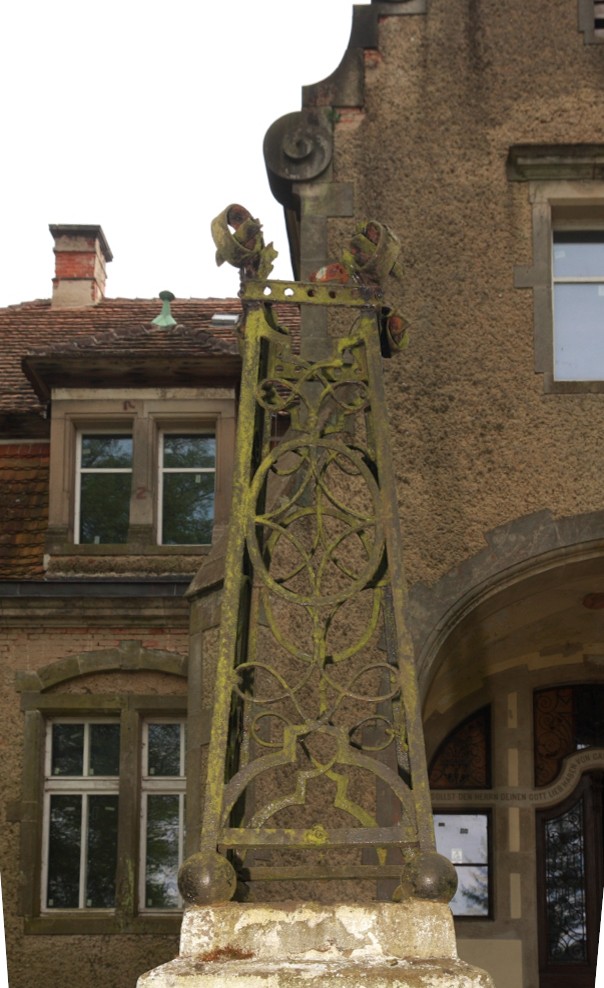
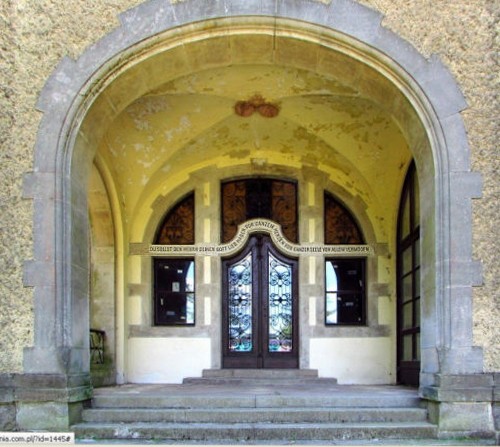
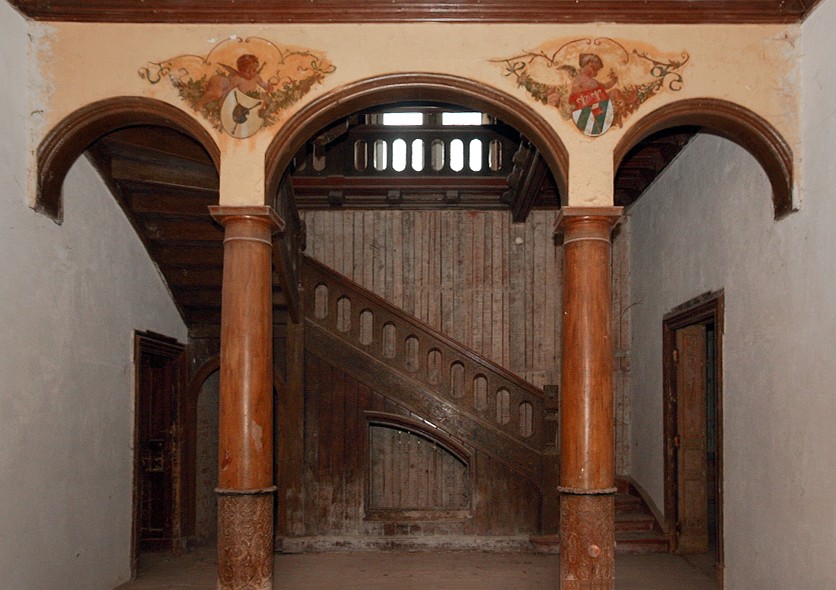
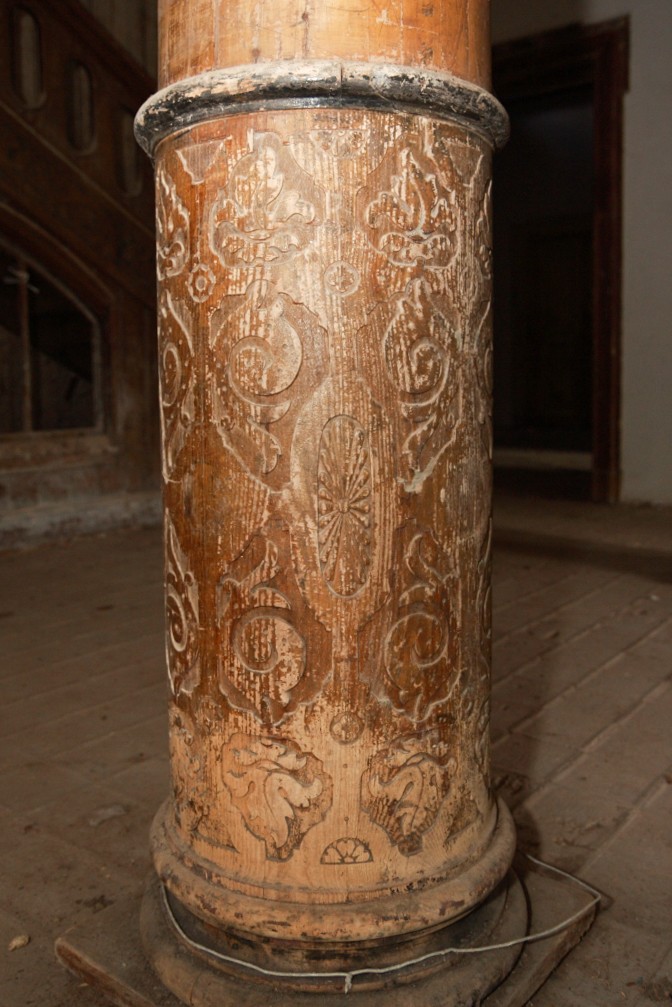
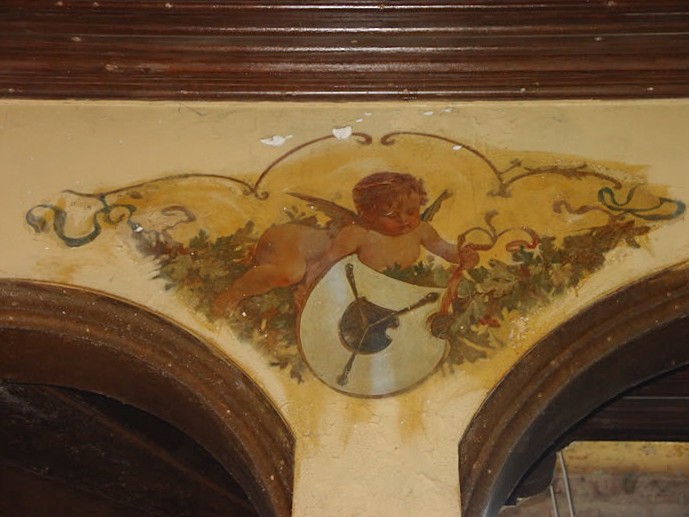
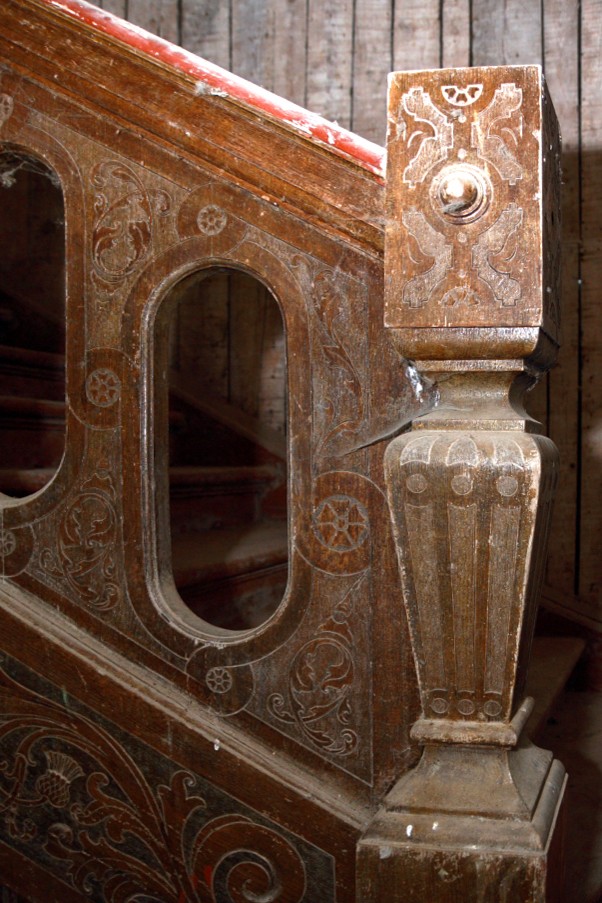
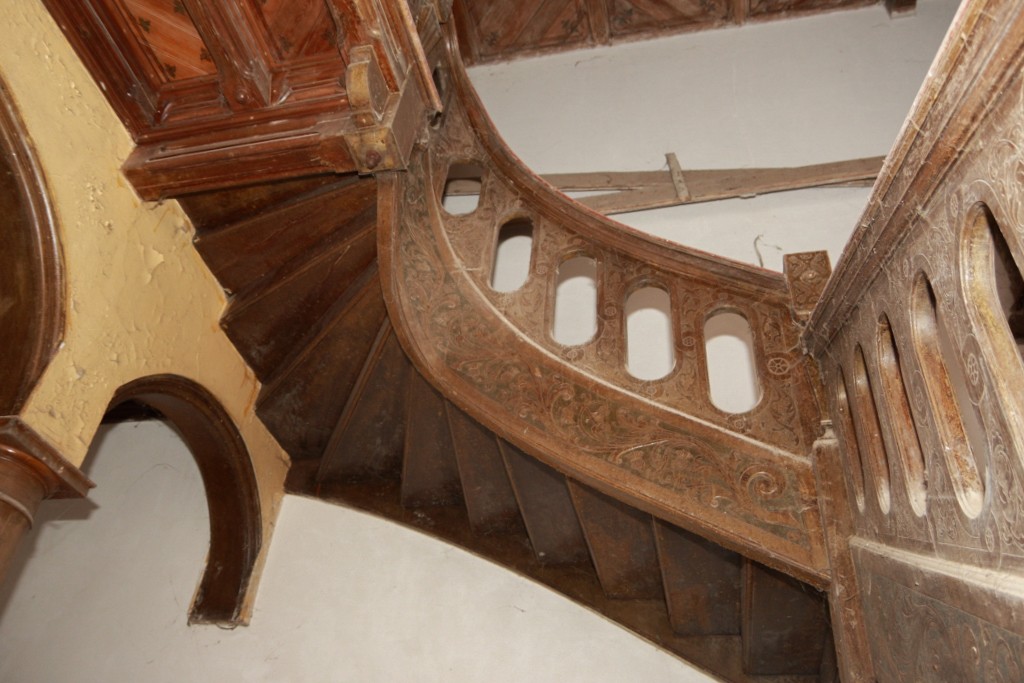
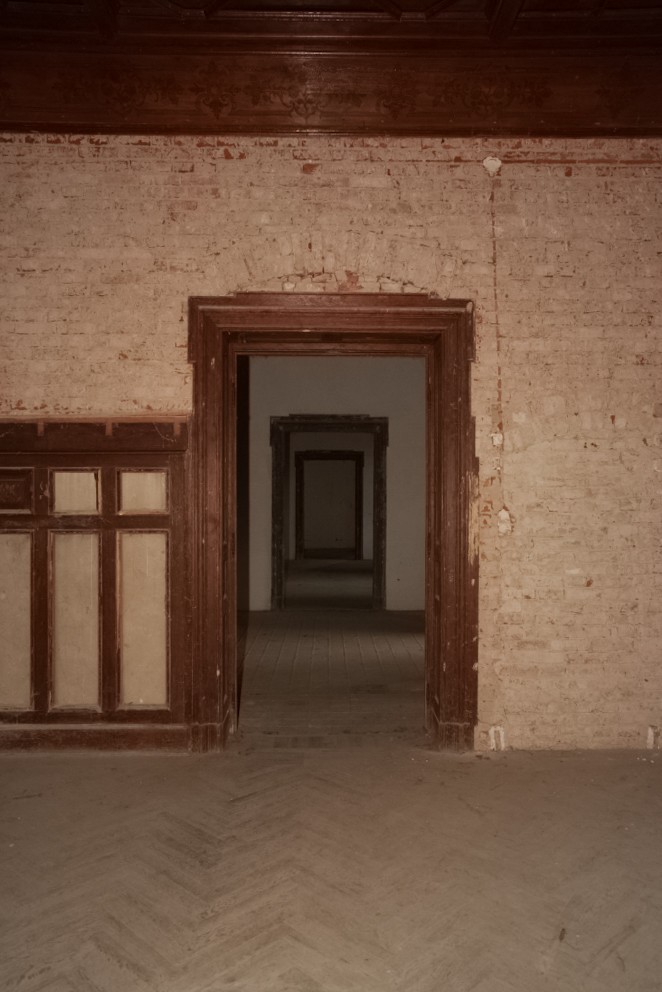
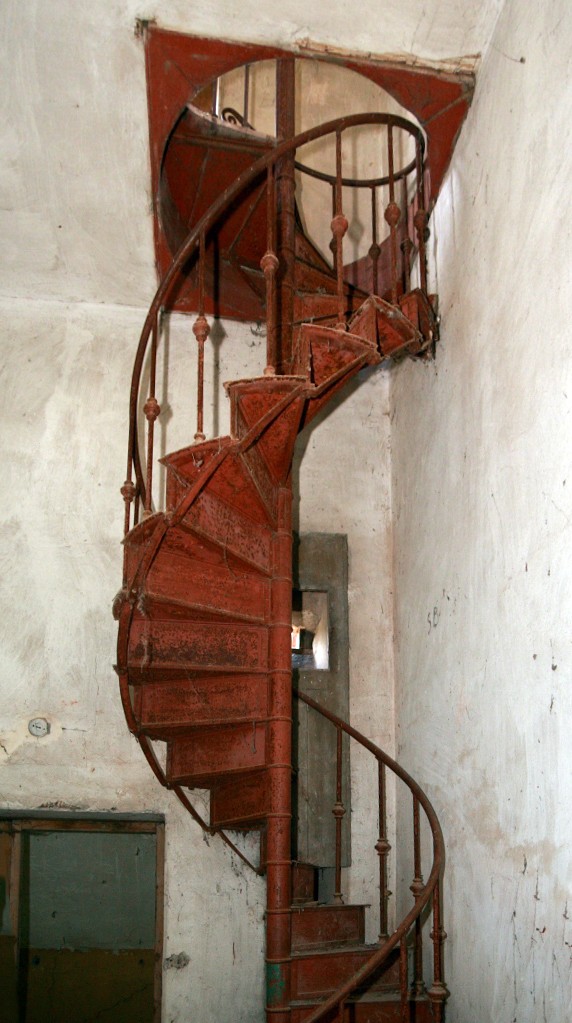
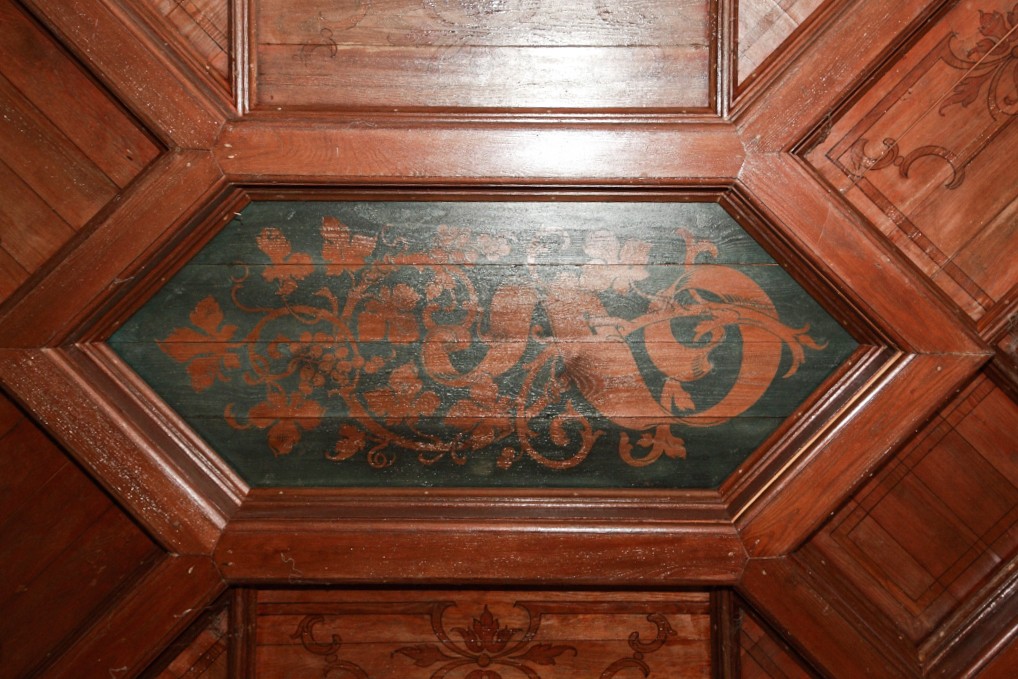
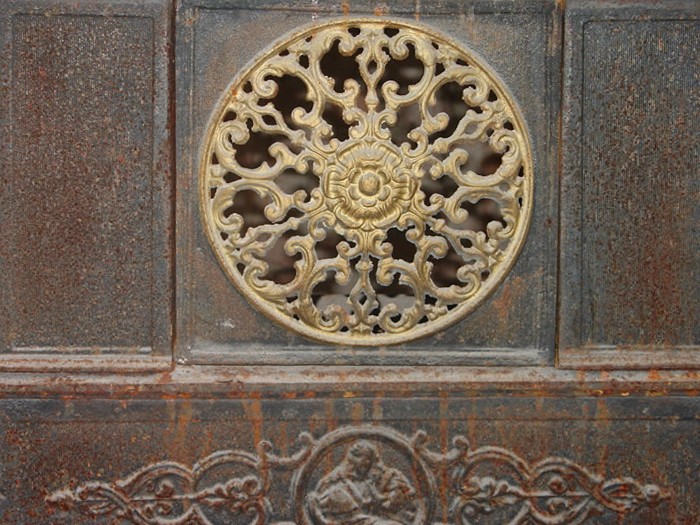
Inside the building many original elements are preserved as they are characteristic for the Art Nouveau style: The highlight is the open wooden staircase with beautifully decorated columns in the entrance hall. Furthermore, there are decorative ceiling panels, doors, panels and iron fittings. The roofs are made of plain tiles, the domes of the towers and their finials are made of copper.
The castle and interior are in good technical condition. It is a splendid property for lovers of historical houses, certainly well suited as a private capital investment.
After a complete renovation, the castle in Stołeczna is ready for any private or public purposes: Vacation resort, boutique hotel, vacation apartments, horse breeding or any other use.
History of StołecznaThere are no written documents of the early history of the village, which, considering its location, probably originated as a Slavic village and received its name during German immigration under the rule of the Margraves of Ascania.
The feudal estate, which after 1450 still belonged to the von Ellingen family, came into the possession of the von Sydow family after 1460 and became a knight's estate in the second half of the 18th century. From this period of relative prosperity come the gilded silver vessels still in use today, which were donated to the church at the beginning of the 17th century by the widow Joachim von Sydow, née Schonebeck. The 30-year war did not spare Stołeczna either. The old line of the Stolzenfelds died out, and the plundered and devastated manor passed into the possession of the successors of the Dobberpul fief, the cousins of Hans von Sydow, a colonel of the police of the Kingdom of Sweden, and Arndt von Sydow, the district administrator of Chojeński. The older church bell from 1674 also dates from this period, which, in addition to the names of the two owners, bears the name of the priest Mignitin.
The country estate was in a desolate state for a long time. In 1680, half of the estate - at that time there were two estates - was mortgaged and belonged to Major von Straus for 36 years. At that time the church burned down and was rebuilt in 1703, except for the tower, which was rebuilt in the middle of the 18th century. Mrs. von Straus donated the church with a baptismal font, which has been preserved until today. The mortgaged half of the estate was ransomed with great difficulty by Ernst Ludwig von Sydow, a major in the regiment of Prince Dietrich of Anhalt-Dessau. He then also bought the other half of the estate from a cousin in Dobberpul. In the local church there is an epitaph of Ernst Ludwig with his likeness.
The manor house served the next generations of the family, unless they lived on other estates. In 1945 the area was occupied by the Red Army.
The presented building is the most important landmark in the village of Trzcińsko-Zdrój. Its location near the Polish-German border gives it additional attractiveness and makes it an ideal investment opportunity both for commercial use and for private lovers of Art Nouveau architecture.